

Note: This article contains affiliate links. If you click on these links and make a purchase, I may earn a small commission at no extra cost to you. This helps support my research and content. Read my full affiliate disclosure here.
If your Nissan Pathfinder is showing rough idling, reduced fuel economy, or a check engine light linked to the O2 system, selecting the right oxygen sensor matters. The correct sensor restores accurate air-fuel sensing, helps the engine control module run efficient fueling, and can prevent downstream issues.This guide presents seven shortlisted oxygen sensors suitable for Nissan Pathfinder owners. We focused on fitment, sensor type, and durability while evaluating installation practicality and expected service life. Read on to find which options match your Pathfinder and which factors should guide your choice.
Looking for other parts? See all Nissan Pathfinder parts & accessories.
Top Picks at a Glance

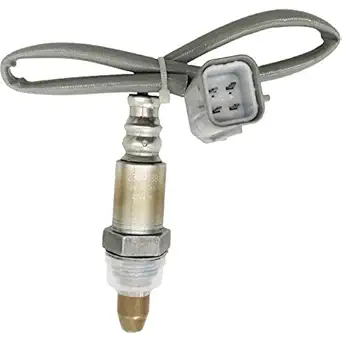


1. TINJO Oxygen O2 Sensor (Upstream) — Replacement for Nissan Pathfinder

| Brand | TINJO |
|---|---|
| Output Type | Digital |
| Mounting Type | Flange Mount |
| Upper Temperature Rating | 482 Degrees Fahrenheit |
| Manufacturer Part Number | 234-5060 |
This TINJO upstream oxygen sensor is intended as a direct-fit replacement for Nissan Pathfinder models listed with the matching connector and part numbers. It measures exhaust oxygen levels and sends a digital signal to the engine control unit so the fuel trim can be corrected, which helps clear check-engine codes, improve emissions, and recover fuel economy. The sensor uses a stainless steel housing with an aluminum oxide sensing element and a PTFE filter layer claimed to speed response and protect against contamination. For a reliability-focused buyer the practical benefits are straightforward: it installs without modification when the connector matches, brings a factory-style fit and function, and can get a disabled emissions monitor back to normal. Important limitations are that you must confirm exact connector and part-number compatibility before purchasing and that long-term durability depends on installation environment and exhaust system condition rather than sensor design alone.
Best for: Reliability-focused buyers who prioritize restoring proper emissions and fuel control on a Nissan Pathfinder with a straightforward, factory-style replacement.
Less Ideal for: Shoppers who need extended OEM-backed warranties or want a guaranteed lifetime durability upgrade over factory-spec parts should consider alternative options.
- Direct-fit design for listed Nissan applications for straightforward replacement
- Stainless steel housing and protective PTFE/aluminum oxide layers for faster response and contamination resistance
- Digital output compatible with factory engine control systems to correct air-fuel measurement
- Specifically referenced interchange part numbers for cross-checking fitment
- Compatibility depends on exact connector and part number so fit is not guaranteed for every Pathfinder without verification
- Limited long-term reliability data compared with established OEM parts
Verdict A practical, direct-fit upstream O2 sensor option for Nissan Pathfinder owners who need a reliable factory-style replacement after confirming connector and part-number match.
2. Automotive-leader 234-9038 Upstream Air Fuel Ratio (AFR) Oxygen Sensor

| Sensor type | Heated 4-wire |
|---|---|
| Wire harness length | 370 mm |
| Placement | Upstream (pre-cat) |
This Automotive-leader 234-9038 is an upstream heated air-fuel ratio (AFR) oxygen sensor intended as a direct replacement for the factory front/pre-cat sensor on compatible Nissan engines, including the Pathfinder. It installs in the upstream bank to monitor exhaust oxygen and provide the engine computer with the AFR signal used for fuel trim corrections. The sensor is a 4-wire heated type with a 370 mm harness and comes tested before shipment. In practice it is used to clear running issues like P0031/P1148 and restore correct fuel control after a failing sensor is removed. Buyers report quick bolt-in installs and restored check-engine light behavior, and the built-in heater reduces warm-up time for accurate readings. Limitations are mixed longevity reports from users and some fitment mis-matches when part numbers or vehicle specifics are not double-checked, so careful verification against the Pathfinder production years and engine is important before installing.
Best for: Convenience-driven buyers who want an affordable, straight-replacement oxygen sensor that is easy to install and gets the vehicle back to normal without dealer visits.
Less Ideal for: Users seeking a long-term premium branded sensor for high-mileage reliability or those unwilling to verify exact engine fitment should consider other options.
- Direct-fit upstream replacement for listed Nissan applications, simplifying installation.
- Heated 4-wire design reduces warm-up time and gives stable AFR readings to the ECU.
- Ship-tested unit with reported quick resolution of check-engine codes in many installations.
- Mixed user reports on long-term durability compared with name-brand sensors.
- Fitment errors can occur if the exact Pathfinder year/engine variant is not confirmed before purchase.
Verdict A budget-friendly, bolt-in upstream AFR oxygen sensor for Nissan Pathfinder owners who prioritize quick, convenient replacement, but check fitment and expect variable longevity.
3. higherbro 4‑Piece Oxygen O2 Sensor Kit for 2003 Nissan Pathfinder 3.5L (Upstream + Downstream)

| Fitment | 2003 Nissan Pathfinder 3.5L |
|---|---|
| Quantity | 4 pcs |
| Mounting Type | Flange Mount |
| Output Type | Push-Pull |
This higherbro kit supplies four oxygen sensors intended to replace both upstream and downstream banks on a 2003 Nissan Pathfinder 3.5L. Installation is the same as other threaded flange sensors: unplug the factory connector, remove the old sensor, and fit the new unit with its wiring routed to the factory harness. The set covers both pre- and post-catalyst positions so it restores the vehicle’s ability to monitor exhaust oxygen levels and helps the engine computer correct air/fuel mixture and emissions. Practical benefits include full-bank coverage in one purchase and a manufacturer-stated quality guarantee. Limitations to expect are the usual for aftermarket sensors: fit and long-term durability can vary versus factory-quality parts, and you may need anti-seize and correct torque during installation to avoid damage. This kit is aimed at buyers who want to replace all sensors at once rather than swapping one at a time.
Best for: Performance-oriented Pathfinder owners who prefer restoring or maintaining engine responsiveness and emissions control by replacing all oxygen sensors at once to ensure consistent sensor behavior.
Less Ideal for: Drivers who want OEM replacement longevity or who prefer replacing only a single failed sensor at a time should consider factory-quality parts or single-sensor purchases instead.
- Complete 4-piece kit covers both upstream and downstream positions so you can replace the whole set at once.
- Packaged for direct replacement on the 2003 Nissan Pathfinder 3.5L when vehicle compatibility is confirmed.
- Standard flange mount and push-pull output match common sensor installations for straightforward fitment.
- Includes a one-year quality guarantee indicating basic manufacturer support.
- Aftermarket construction may not match the long-term durability of factory-quality sensors.
- Fitment requires verifying vehicle details before purchase to avoid wrong connector or thread pitch issues.
Verdict A convenient four-piece aftermarket sensor kit for restoring oxygen sensing on a 2003 Pathfinder that suits performance-minded owners wanting full-bank replacement, with the usual aftermarket durability caveats.
4. QIJIAUTO Oxygen Sensor Upstream 234-9072

| Manufacturer | QIJIAUTO |
|---|---|
| Mounting Type | Flange Mount |
| Output Type | Analog |
| Upper Temperature Rating | 800 Degrees Celsius |
This QIJIAUTO upstream oxygen sensor is a budget-focused replacement that plugs in where the factory 234-9072 fits and restores the engine’s air-fuel feedback loop. Designed as a direct replacement with silver-plated terminals and a four-wire connection, it installs without wiring changes and is intended to clear check engine light codes tied to a failing upstream sensor. Typical use is swapping the sensor on the exhaust manifold or header on a Nissan Pathfinder to recover fuel economy and smoother idle. The sensor claims a protective layer and high temperature rating for durability, and many owners report improved MPG and resolved warning lights after installation. Because this is an economy aftermarket part, fitment and long-term consistency can vary between units, and some buyers have reported early failures that required replacement with a higher-end brand. Expect a low-cost fix that often works for immediate diagnostic and fuel-economy recovery, but be prepared to upgrade if durability or perfect calibration matters for emissions testing or long-term reliability.
Best for: A budget-conscious Pathfinder owner who needs a quick, low-cost upstream sensor replacement to clear codes and regain reasonable fuel economy without spending on premium parts.
Less Ideal for: Drivers prioritizing long-term durability, perfect factory-level calibration, or guaranteed emissions-test performance should consider a higher-end factory-quality sensor instead.
- Direct-fit replacement for part number 234-9072 to simplify installation on compatible vehicles
- Four-wire design with silver-plated terminals for straightforward connectivity and sensor heating
- Claims high temperature tolerance and protective layering aimed at durability under exhaust conditions
- Low-cost option that can quickly clear related check engine light codes and restore fuel economy
- Inconsistent longevity compared with higher-end factory-quality sensors with some reports of early failure
- Aftermarket calibration may not match OEM sensor response precisely which can affect emissions testing or long-term trimming
Verdict A cheap, direct-fit upstream sensor that often fixes check-engine and MPG issues on a Nissan Pathfinder but may require upgrading for best long-term reliability.
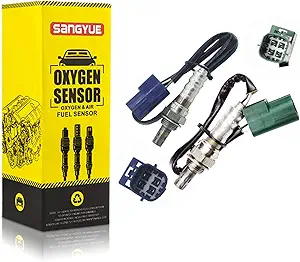
5. Sangyue 4-Pack Oxygen O2 Sensors (Upstream and Downstream) for 2016–2019 Nissan Pathfinder 3.5L

| Brand | Sangyue |
|---|---|
| Mounting Type | Flange Mount |
| Output Type | electrical signal |
| Material | Aluminum Oxide, Stainless Steel |
This Sangyue four-pack supplies both upstream and downstream oxygen sensors intended as direct replacements for the 3.5L Nissan Pathfinder (2016–2019). The kit is for standard diagnostic and repair use: remove the faulty sensor, install the matching bank/location sensor, and clear related engine codes. Notable features from the listing include flange mounting, an electrical output signal, and stainless steel construction with aluminum oxide sensing elements, which together suggest factory-style durability and proper sensor response. Selling points are the complete set for both banks, clear fitment targeting, and installation imagery that helps guide DIY or mechanic replacement. Limitations include a lack of explicit manufacturer testing data and the seller noting they are not an OEM supplier, so buyers who require certified factory parts may prefer a branded factory replacement. Expect routine replacement performance that resolves O2-related check-engine codes when the rest of the exhaust and fuel systems are in good condition.
Best for: Risk-averse mainstream buyers seeking a straightforward repair solution for a 2016–2019 Nissan Pathfinder 3.5L who prioritize restoring vehicle diagnostics and drivability with a complete set in one purchase.
Less Ideal for: Buyers who need manufacturer-certified factory parts, guaranteed calibration data, or professional restoration to original dealer specifications should consider dealer-sourced replacements instead.
- Includes both upstream and downstream sensors so all O2 positions for the 3.5L Pathfinder are addressed in one purchase
- Flange-mount design and standard electrical signal output match common factory installation methods
- Stainless steel body and aluminum oxide sensing element aim to provide corrosion resistance and reliable signal over time
- Not sold as a factory OEM part and the listing does not provide independent test or calibration data
Verdict A complete, factory-style replacement set for the 3.5L Pathfinder that simplifies O2 sensor repairs for buyers who want a practical, all-in-one solution rather than dealer-origin parts.
6. Amrxuts 4-piece Oxygen and Air Fuel Ratio Sensor Kit for 2005–2006 Nissan Pathfinder Frontier Xterra 4.0L V6

| Fitment | 2005–2006 Nissan Pathfinder, Frontier, Xterra V6 4.0L |
|---|---|
| Sensor Type | Heated oxygen / air-fuel ratio sensors |
| Wiring | Upstream 5-wire (234-5060), Downstream 4-wire (234-4297, 234-4313) |
| Mounting Type | Threaded |
This Amrxuts kit supplies two upstream 5-wire air-fuel ratio sensors and two downstream 4-wire oxygen sensors as a direct-fit replacement for 2005–2006 Nissan Pathfinder, Frontier, and Xterra with the 4.0L V6. The sensors are heated and come with manufacturer-specified connector genders and harness lengths, so installation is the same routing and connector-wise as the factory parts. In use they restore the engine management system’s ability to read exhaust oxygen and air-fuel ratio, which can clear CEL codes, improve idle and throttle response, and help recover fuel economy when the originals have failed. The listing emphasizes quick light-off and longer life than typical aftermarket sensors, and the set covers both banks so you can replace all four at once to avoid mismatched sensor behavior. Limitations are typical of budget aftermarket parts: long-term durability and sensor-to-sensor consistency may vary versus factory-quality units, and some buyers reported occasional DOA units so checking connectors and testing immediately after install is prudent.
Best for: Practical optimizers who prioritize getting reliable, complete replacements at a lower cost and prefer to refresh all sensors at once to restore drivability and fuel economy.
Less Ideal for: Buyers who need a long-term factory-quality warranty, precise OEM calibration for performance tuning, or who prefer brand-new factory-brand sensors for resale-value concerns should look elsewhere.
- Complete four-sensor kit replaces both upstream and downstream locations for a full system refresh
- Includes heated sensors with factory-style connectors for straightforward direct-fit installation
- Upstream sensors are air-fuel ratio type (5-wire) which provide ECU-compatible readings for proper fuel control
- Covers common Nissan part numbers so fitment to 2005–2006 4.0L V6 models is clearly specified
- Aftermarket construction may not match long-term durability or calibration consistency of factory-quality sensors
- Some buyers reported defective units on arrival so initial testing after installation is recommended
Verdict A cost-effective complete four-sensor replacement for 2005–2006 Nissan 4.0L V6s that restores ECU sensing and fuel control, with typical aftermarket durability and occasional quality variance.
7. Sangyue Downstream Oxygen Sensor (Left + Right) for 2005–2012 Nissan Pathfinder / Xterra / Frontier 4.0L

| Brand | Sangyue |
|---|---|
| Material | Stainless Steel |
| Mounting Type | Flange Mount |
| Output Type | electrical signal |
This Sangyue downstream oxygen sensor pair is designed as a factory-style replacement for 4.0L Nissan Pathfinder applications and installs in the left and right downstream positions. Typically used to replace failed sensors that cause check engine lights or poor emissions readings, the units come with stainless steel housings and flange mounts to match the factory fitment. Real-world benefits include restoring correct downstream O2 readings to help the vehicle pass emissions checks and allowing the engine computer to recalibrate fuel trim after a failing sensor is removed. Installation is straightforward for anyone comfortable working under the vehicle and following basic diagnostic steps. Some customers report one side performing better than the other, so bench-testing or confirming sensor voltage response after installation is wise. The product is a reverse-engineered, aftermarket alternative rather than a factory supplier part, which delivers solid value but means occasional variation in long-term durability compared with factory-quality sensors.
Best for: Balanced all-round buyers who want a practical, value-focused factory-style replacement to restore emissions performance and resolve downstream O2 sensor fault codes on a 4.0L Nissan Pathfinder.
Less Ideal for: Buyers seeking guaranteed factory-supplier parts for long-term peace of mind or professional shops that prefer OEM-sourced sensors should consider factory-quality alternatives.
- Designed to match factory downstream fitment for Nissan 4.0L applications
- Stainless steel construction resists corrosion in exhaust environment
- Sold as a pair to replace both left and right downstream sensors at once
- Helps clear emissions-related fault codes and restore proper fuel trim
- Aftermarket reverse-engineered part that may show more variation in long-term durability than factory-quality sensors
- Some reports of uneven performance between passenger and driver side units
Verdict A cost-conscious, factory-style downstream sensor pair that restores emissions function on 4.0L Nissan Pathfinders but is an aftermarket reverse-engineered option rather than a factory supplier part.
Choosing the Right Nissan Pathfinder Oxygen Sensor: Key Factors to Consider
Fitment and Connector Compatibility
Correct fitment is essential because the sensor must match the Pathfinder's threaded bung, connector type, and wiring length to avoid electrical issues or exhaust leaks. A sensor that fits without adapters reduces installation time and the risk of connector strain.
Connector compatibility also affects signal integrity. A loose or nonstandard connector can cause intermittent readings that trigger diagnostic codes, so verify the exact connector style and pin arrangement before buying.
Sensor Type and Heating Element
Oxygen sensors come as heated or non-heated designs; heated sensors reach operating temperature faster, improving emissions control during cold starts and short trips. For many engine and emission layouts, a heated sensor ensures the ECU receives valid data sooner, which can reduce cold-run enrichment and improve drivability.
Knowing whether your Pathfinder requires a heated sensor for either upstream or downstream locations prevents installation mismatches and helps maintain emissions performance across a range of driving conditions.
Upstream Versus Downstream Placement
Upstream sensors sit before the catalytic converter and influence fuel trim decisions directly, so accuracy and response speed are particularly important there. Downstream sensors monitor converter efficiency and typically require different calibration and durability characteristics.
Choosing the right sensor type for its intended bank and position prevents diagnostic confusion and ensures your vehicle's control systems get the correct feedback for emissions management.
Durability And Contaminant Resistance
Sensors are exposed to high heat, moisture, and combustion byproducts that can degrade sensing elements. Select sensors with protective coatings or designs that resist oil, coolant, and sulfur contamination to extend service life.
Durability considerations reduce the likelihood of premature failure and the repeat appearance of O2-related diagnostic codes, making long-term ownership less troublesome.
Signal Type And Response Characteristics
Different sensors produce different signal formats and response times. Faster response and stable output improve the ECU's ability to fine-tune fuel delivery. Ensure the sensor's electrical characteristics match those expected by the Pathfinder's engine control system to avoid erratic fuel trims.
Understanding expected response behavior helps when diagnosing driveability issues and ensures the replacement will interact properly with the vehicle's control strategy.
Installation Practicality
Consider the physical clearance around the sensor port, thread sealer or anti-seize requirements, and whether the harness length and heat shielding are sufficient for your vehicle. Easier installation reduces the chance of damaging the new sensor or surrounding components.
Some sensors include longer leads or built-in heat protection that simplify fitting into tight exhaust layouts, which can matter on certain Pathfinder engine and exhaust configurations.
FAQ
How do I know if my Nissan Pathfinder oxygen sensor is failing?
Common signs include a persistent check engine light, rough idle, decreased fuel economy, or difficulty starting. Symptoms often vary with engine load and temperature, and intermittent issues can make diagnosis harder. A diagnostic scan that returns O2-related codes is a useful starting point.
Can I replace the oxygen sensor myself?
Many owners can replace an oxygen sensor with basic hand tools if the sensor is accessible and the correct part is used. Make sure to follow proper torque specs and use any recommended anti-seize on the threads unless it is pre-applied. If the sensor is hard to access or you are unsure about diagnostics, professional help reduces the risk of damage.
Should I replace both upstream and downstream sensors at the same time?
You do not always need to replace both at once. Upstream sensors more directly affect fuel trim, so they are often replaced first when diagnosing performance issues. However, if the downstream unit shows age or contamination, replacing both can be sensible to ensure consistent system performance and avoid repeated labor.
What role does sensor heating play in performance?
A heated sensor reaches operating temperature quickly, which improves measurement accuracy on cold starts and during short trips. This reduces prolonged rich conditions and helps emissions control. Whether heating matters depends on your vehicle's engine management strategy and typical driving patterns.
Will a faulty oxygen sensor always trigger a check engine light?
Not always. Some failures are gradual and cause drivability changes before a diagnostic code appears, while other issues set a code immediately. Intermittent faults may not trigger a persistent warning, so pay attention to performance changes as well as scanning for pending or stored codes.
How We Chose the Best Nissan Pathfinder Oxygen Sensor
We shortlisted sensors that specifically match Nissan Pathfinder fitment and emission system configurations and prioritized parts built to meet or exceed OEM connector and thread specifications. Key evaluation criteria included connector and thread compatibility, sensor type (heated vs non-heated), expected service life under typical driving conditions, and resistance to contamination from fuels and exhaust byproducts. We also considered wiring harness length and connector durability to avoid fitment modifications, plus heat-tolerance ratings for exhaust locations.We excluded universal sensors requiring significant adaptation and any units lacking clear fitment information for Nissan Pathfinder chassis and engine variants. Our process favored sensors with clear technical specifications, robust construction features, and evidence of long-term reliability in similar vehicle applications.
Our full evaluation process is outlined in our review methodology.
Conclusion
When choosing an oxygen sensor for a Nissan Pathfinder, prioritize correct fitment, the proper sensor type for its upstream or downstream role, and durability against heat and contamination. Match electrical characteristics and connector style to the vehicle to prevent signal errors.Balance response speed and longevity according to your driving habits. For accessible installations, a quality sensor with the right specifications will restore accurate air-fuel sensing and help maintain emissions and fuel economy over time.
Explore More:
- Check out all Nissan Pathfinder parts & accessories
- Explore Oxygen Sensors Maintenance & Repair Guides
- Explore Engine
- Browse all Auto Parts
