

Note: This article contains affiliate links. If you click on these links and make a purchase, I may earn a small commission at no extra cost to you. This helps support my research and content. Read my full affiliate disclosure here.
If your Grand Cherokee is from 2011 through 2021, choosing the right oxygen sensor matters for emissions, fuel economy, and steady engine operation. The sensor type and fitment affect how the engine computer interprets exhaust composition and adjusts fuel trim. This guide covers the top oxygen sensors compatible with the 2011-2021 (WK2) Grand Cherokee and explains the practical differences you should care about. We shortlisted sensors that match the Grand Cherokee's wiring and mounting, and that deliver consistent voltage or voltage-to-frequency response under typical driving conditions. Below you will find the evaluation criteria used and the factors to weigh when deciding on oxygen sensor replacement, followed by answers to common owner questions.
Looking for other parts? See all Jeep Grand Cherokee parts & accessories.
Top Picks at a Glance
| Best Overall The best all-around choice for most situations | AISIN Aftermarket Upstream/Downstream Oxygen (O2) Sensor |  |
| Best Quality Built to a higher standard if you want something more solid | NTK Upstream Right Oxygen Sensor for Jeep Grand Cherokee 3.6L/5.7L 2011–2019 |  |
| Best Value The sweet spot between price and what you get | AUTOSTARSHIP 234-4587 4-Wire Heated Oxygen Sensor (2-Pack) |  |
| Best Budget The cheapest option that still gets the job done reliably | Likala 234-4587 Upstream and Downstream Oxygen Sensors (2-Pack) |  |
| Highest Rated A top-rated pick with lots of positive feedback | Bosch 15510 Premium Fit Oxygen Sensor |  |
| Most Popular A crowd favorite that many people choose with confidence | BLPextrm Oxygen O2 Sensor (56028994AA / 56028994AB) |  |
| Best Seller A high-volume bestseller chosen again and again | SFYAUTO Oxygen O2 Sensor (Pair) Compatible with Jeep Grand Cherokee and Select Chrysler/Dodge/Ram Models |  |
AISIN Aftermarket Upstream/Downstream Oxygen (O2) Sensor

| Position | Upstream or Downstream |
|---|---|
| Sensor Type | Narrowband |
| Thread Size | M18 |
| Terminal Quantity | 4 |
This Aisin oxygen sensor is a factory-quality narrowband sensor offered as a direct replacement for vehicles that accept the referenced part number. It is sold as a single sensor that can be used in upstream or downstream positions and comes with a four-terminal rectangular connector for straightforward electrical mating. Installation is intended to be plug-and-play and the package includes an installation manual, which helps simplify swapouts for DIYers or technicians. In practice this sensor provides the same basic function as factory units: monitoring exhaust oxygen to help the engine computer tune fuel trim and emissions. The narrowband design is appropriate for standard fuel control systems but will not offer the faster response or wideband data required for performance tuning or air/fuel logging. Buyers should also confirm the M18 thread and connector match their vehicle before ordering. For routine replacement on compatible Jeep Grand Cherokee model years, this sensor delivers reliable, OEM-minded performance without extra complexity.
Best for: Buyers who want a reliable, factory-style replacement sensor for routine maintenance on compatible Grand Cherokee vehicles and prefer a straightforward install with a manual included.
Less Ideal for: Do not choose this sensor if you need wideband readings for performance tuning, datalogging, or aftermarket engine management upgrades.
- Designed as a direct replacement for straightforward plug-and-play installation
- Compatible for use in either upstream or downstream positions
- Four-terminal rectangular connector matches common factory wiring
- Manufactured by Aisin, a known OEM supplier with factory-quality focus
- Narrowband output is not suitable for wideband-dependent tuning or advanced air/fuel monitoring
Verdict: Aisin's direct-replacement narrowband sensor is a dependable, factory-minded choice for routine oxygen sensor replacement on compatible Grand Cherokee models.
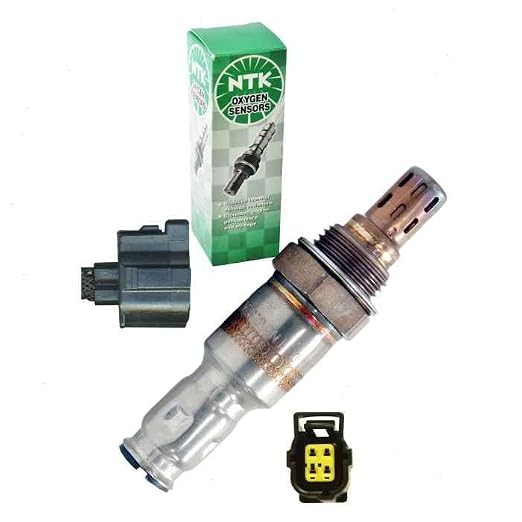
NTK Upstream Right Oxygen Sensor for Jeep Grand Cherokee 3.6L/5.7L 2011–2019
| Measuring Range | 0% – 25% O2 |
|---|---|
| Output Type | electrical signal |
| Upper Temperature Rating | 2192 Degrees Fahrenheit |
| Specific Uses For Product | automotive, exhaust gas monitoring |
This NTK upstream right oxygen sensor is a direct replacement for the factory unit on Jeep Grand Cherokee 3.6L and 5.7L engines from 2011 to 2019 and is intended to restore accurate exhaust oxygen readings. It connects like an OEM sensor and feeds the vehicle control system an electrical signal representing measured O2 levels across a 0 to 25% range, letting the engine computer adjust air/fuel trim. Installation is typical for upstream sensors and will be used during diagnostics, emissions repairs, or when a check engine light flags a failing bank 1 sensor. Notable features include a high upper temperature rating that suits hot exhaust conditions and packaged hardware to mirror factory fitment. In practical terms the sensor should bring closed-loop fuel control and responsiveness back to expected levels and support reliable live-data monitoring. The product is focused on fitment for specific Grand Cherokee engines so buyers should confirm exact side and bank before ordering; it is a single-sensor unit and does not address downstream sensor needs.
Best for: Buyers who want a factory-style replacement to restore accurate oxygen readings and fuel control on 2011–2019 Grand Cherokees, especially those monitoring live data or addressing performance-related fueling issues.
Less Ideal for: Drivers looking for universal multi-vehicle sensors or kits that include downstream sensors and plugs should consider alternatives tailored to broader fitment or full exhaust repairs.
- Direct-fit replacement compatible with 2011–2019 Jeep Grand Cherokee 3.6L and 5.7L upstream right positions
- Wide measuring range (0%–25% O2) for reliable air/fuel feedback
- High upper temperature rating to withstand exhaust heat
- Includes original-style packaging and hardware for straightforward installation
- Sold as a single upstream-right sensor so multiple-sensor repairs require additional purchases
Verdict: A direct-fit upstream right sensor that restores accurate O2 feedback for 2011–2019 Grand Cherokees, ideal for performance-focused owners needing precise fuel control.
AUTOSTARSHIP 234-4587 4-Wire Heated Oxygen Sensor (2-Pack)

| Part Number | 234-4587 |
|---|---|
| Mounting Type | Flange Mount |
| Output Type | Digital |
| Material Type | Stainless Steel |
| Included Components | Oxygen Sensor |
These AUTOSTARSHIP oxygen sensors are a straightforward replacement option for vehicles that use the 234-4587-style 4-wire heated sensor. Sold as a two-pack, each sensor uses a heated design and digital output to bring a cold exhaust stream up to operating temperature quickly and report oxygen concentration to the engine control system. Installation is plug-and-play for matching connectors and mounting threads, and the stainless steel housing with laser welds promises corrosion and heat resistance for undercarriage duty. In use the sensor should help correct rough idling, clear emission-related faults and improve fuel trim by restoring accurate O2 readings. The harness boot and recommended torque guidance make installation easier for DIYers and shops. Limitations are fitment: you must confirm OEM part numbers and connector shape for your specific year and engine, and some buyers report heater failures after extended service, so long-term durability may vary compared with higher-end branded sensors.
Best for: Buyers seeking an affordable, practical replacement to restore proper O2 feedback and fuel trims on older vehicles; good for DIY maintenance or shops that need a ready two-pack to cover routine sensor replacements.
Less Ideal for: Drivers who prioritize longest-possible lifespan or factory-brand assurance for high-mileage vehicles should consider premium OE-brand options instead.
- Sold as a two-pack for replacing multiple sensors or keeping a spare
- 4-wire heated design for faster warm-up and stable sensing
- Stainless steel, laser-welded housing improves heat and corrosion resistance
- Plug-and-play connector and flange mount match factory installation
- Some user reports of heater element failure after extended use
Verdict: A cost-conscious two-pack of heated, plug-and-play oxygen sensors that restores proper air-fuel sensing for routine maintenance and repairs.
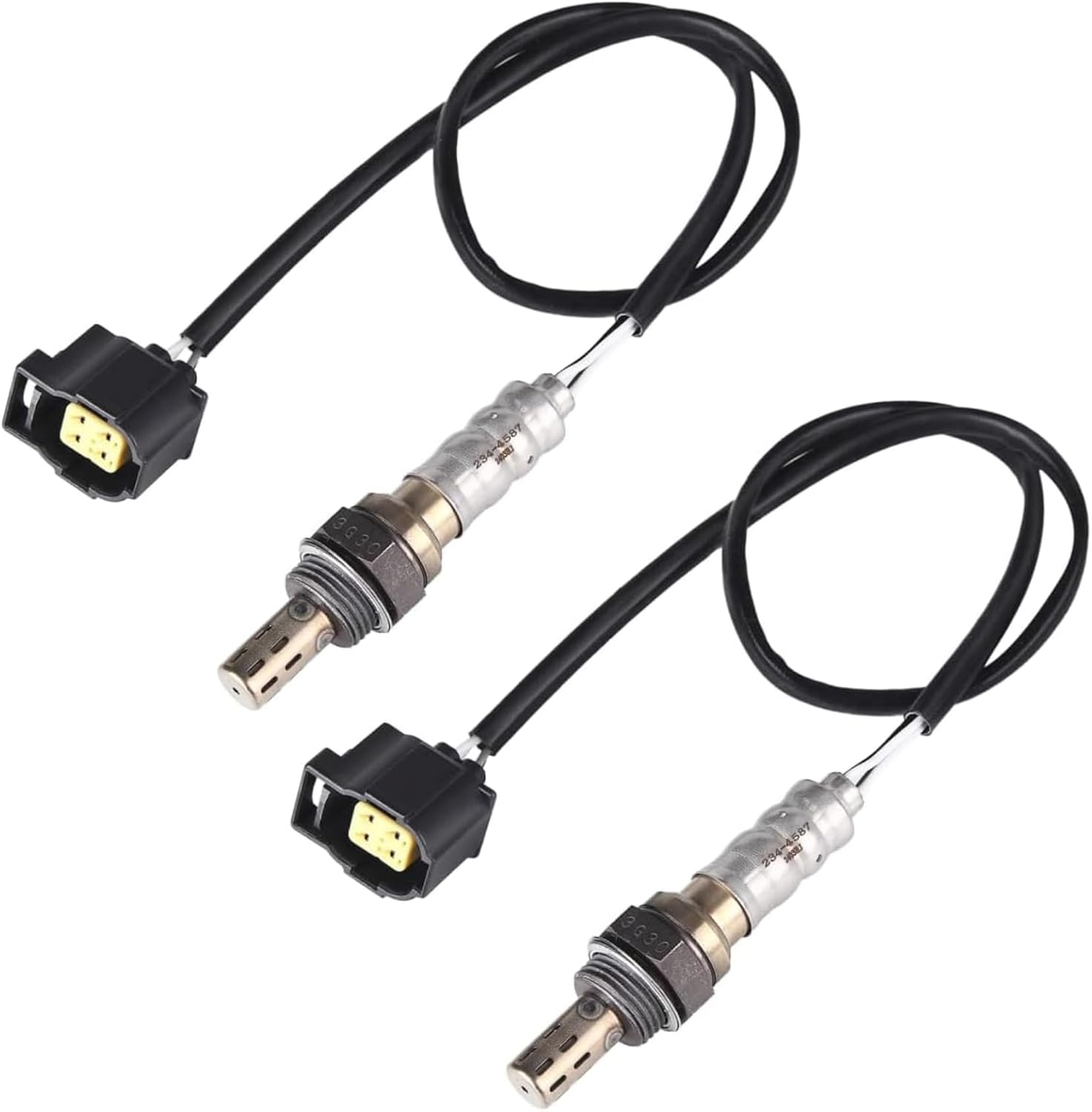
Likala 234-4587 Upstream and Downstream Oxygen Sensors (2-Pack)
| Mounting Type | Plug Mount |
|---|---|
| Output Type | electrical signal |
| Material Type | Stainless Steel |
| Unit Count | 2.0 Count |
These Likala oxygen sensors come as a two-pack intended to replace upstream and downstream units and restore closed-loop fuel control after a sensor failure. They use stainless steel construction and a plug-and-play mounting style with pre-coated threads to simplify installation for backyard mechanics or technicians. In use the sensors provide typical oxygen-sensing outputs to the engine control module, helping correct fuel trims, reduce rough idle and improve fuel efficiency when the original sensors have become sluggish. The listing highlights high measurement accuracy and faster response time, and includes an installation guide and basic fitment listings for Jeep Grand Cherokee 3.7L and several other model years and engines. Downsides to note are mixed reliability reports from other buyers and the lack of extensive OEM-level testing data, so long-term durability can be uncertain on higher-mileage vehicles. For budget repairs this pair is a practical option to get a vehicle running cleanly again, but those seeking long-term factory-quality replacements may prefer a branded OE-equivalent part.
Best for: Buyers prioritizing a low-cost repair to restore exhaust monitoring on a 2011–2021 Jeep Grand Cherokee with a compatible V6 engine who are comfortable installing parts themselves or having a shop fit them.
Less Ideal for: Owners looking for a guaranteed long-term factory-quality replacement or those who want parts backed by extensive OEM testing and warranty support.
- Includes both upstream and downstream sensors in one 2-pack for a complete replacement
- Stainless steel body with double laser welding for corrosion resistance
- Plug-and-play design with pre-coated threads simplifies installation
- Manufacturer claims faster response time and high measurement accuracy
- Customer feedback shows several reports of early failures and inconsistent quality
- No explicit OEM testing or long-term durability data provided
Verdict: A budget-friendly two-pack that can quickly restore oxygen sensing and fuel control on compatible Jeep Grand Cherokee engines for owners seeking an inexpensive repair.
Bosch 15510 Premium Fit Oxygen Sensor

| Brand | Bosch |
|---|---|
| Material | Stainless Steel |
| Maximum Supply Voltage | 12 Volts (DC) |
| Measuring Range | 300 – 800 °C |
This Bosch 15510 oxygen sensor is a direct-fit replacement intended to match factory connectors and thread sizes so installation is straightforward for a 2011–2021 Jeep Grand Cherokee. It monitors exhaust oxygen to help the engine control module adjust air/fuel mixture and includes a fast-acting heater so the sensor reaches operating temperature quickly after startup. The stainless steel, laser-welded body and factory-style harness are built for corrosion resistance and a sealed fit, which should help longevity in the exhaust environment. Practical benefits include eliminating check-engine light codes caused by a failing oxygen sensor, restoring fuel economy and smoothing idle and drivability when an original sensor has degraded. Limitations to keep in mind are that fitment can depend on engine and sensor position, so you must verify the sensor location for your specific Grand Cherokee configuration, and like all sensors it can fail prematurely under unusual conditions such as contaminated catalytic converters or physical damage. Expect a straightforward swap if you match the correct upstream or downstream position.
Best for: Owners who prioritize a reliable, factory-style replacement to clear O2-related codes and restore proper fuel trim on a 2011–2021 Jeep Grand Cherokee.
Less Ideal for: Not ideal for drivers looking for a universal or performance-tuned sensor or for those who need coverage for multiple vehicle makes beyond the specified Grand Cherokee fitment.
- True direct-fit connector and harness for simple installation
- Fast-acting heater brings sensor to operating temperature quickly
- Double laser-welded stainless steel body resists exhaust corrosion
- Threads pre-coated with anti-seize compound ready out of the box
- Fitment varies by engine and sensor location so you must verify exact application
- Some users report premature failures in specific installations
Verdict: A factory-style Bosch direct-fit sensor that restores proper emissions and drivability for reliability-minded Grand Cherokee owners.
BLPextrm Oxygen O2 Sensor (56028994AA / 56028994AB)

| Mounting Type | Flange Mount |
|---|---|
| Output Type | NPN |
| Maximum Supply Voltage | 12 Volts |
| Measuring Range | 0% – 21% |
| Material Type | Alloy Steel |
This BLPextrm oxygen sensor is a direct-replacement style O2 unit intended to restore correct air-fuel feedback and address issues like unstable idle, poor acceleration, and emissions faults when fitment and connector match the vehicle. It mounts with a flange and uses an NPN output, and the manufacturer rates its operating temperature up to 650 degrees Celsius for quicker response and durability. Typical use is plug-and-play replacement in the upstream or downstream position where the connector and harness length are the same as the original sensor. In practice this sensor delivers factory-like fit for many Jeep Grand Cherokee installs and several buyers report cleared heated O2 codes and normal driveability afterward. Limitations to note are occasional compatibility gaps with certain engine control strategies that can trigger slow-response or efficiency warnings on some older or highly specific ECU calibrations, and wire lengths may not match OEM routing in every application so minor re-routing or securing can be required. For a budget-focused replacement, it provides a practical balance of performance and value when matched correctly to the vehicle.
Best for: Drivers who prioritize documented real-world fit and want an affordable replacement sensor to clear O2-related drivability or emissions codes on a 2011–2021 Grand Cherokee while relying on other buyers' experiences to reduce risk.
Less Ideal for: Owners seeking a guaranteed match for nonstandard ECU calibrations or exact OEM harness lengths who need a manufacturer-backed vehicle-specific sensor.
- Designed as a direct-fit replacement with flange mount and matching connector for straightforward installation when length matches
- High temperature rating (up to 650 C) for faster response and improved durability in exhaust environments
- NPN output compatible with many factory monitoring systems
- Made from alloy steel construction intended for longevity under exhaust conditions
- Some vehicles reported ECU compatibility issues causing slow-response or efficiency fault codes
- Wire length may differ from factory routing and require trimming or securing to avoid contact with hot components
Verdict: A cost-conscious replacement that restores O2 sensing and often clears related codes on Grand Cherokee models when the connector and harness length match the factory part.
SFYAUTO Oxygen O2 Sensor (Pair) Compatible with Jeep Grand Cherokee and Select Chrysler/Dodge/Ram Models

| Measurement Accuracy | +2-5% |
|---|---|
| Mounting Type | Flange Mount |
| Output Type | Push-Pull |
| Upper Temperature Rating | 220 Degrees Fahrenheit |
These SFYAUTO oxygen sensors are replacement upstream and downstream units sold as a two-piece set for the Chrysler/Dodge/Jeep/Ram fitments listed in the product description. They mount with a flange and provide push-pull output to feed the vehicle computer oxygen readings used for fuel trim and emissions control. Typical use is a direct swap when an original sensor has failed or an emissions test needs addressing; several buyers report easy installation and restored drivability after clearing codes. Notable features include stated measurement accuracy of plus two to five percent and a heat rating listed at 220 degrees Fahrenheit. Practical benefits are straightforward fitment for the specified years and models, quick warmup reported by users, and the convenience of getting both sensors in one purchase. The main limitation is variable long-term reliability with a mix of five-star and one-star reports, so while many units perform like factory-quality for emissions fixes, some users experienced early failures and may prefer a more established brand for maximum long-term confidence.
Best for: Buyers seeking a direct, budget-friendly replacement to clear fault codes and pass emissions on supported Jeep Grand Cherokee model years who prioritize fitment and immediate drivability.
Less Ideal for: Drivers who need long-term, worry-free durability for high-mileage or performance applications should consider name-brand sensors with stronger reliability records.
- Sold as an upstream and downstream pair for the listed vehicles, simplifying replacement
- Flange-mount design matches factory-style installation for a direct swap
- Stated measurement accuracy of +2-5% supports reasonable sensor readings for fuel control
- Multiple buyer reports of easy installation and successful emissions test passes
- Mixed reliability in reviews with some units failing shortly after installation
- Upper temperature rating of 220°F is lower than many high-end sensors, which could affect durability in exhaust heat
Verdict: A cost-conscious pair of replacement oxygen sensors that fits listed Jeep Grand Cherokee years and often restores emissions and drivability quickly, making it a practical choice for cautious buyers needing a straightforward fix.
Choosing the Right 2011-2021 Jeep Grand Cherokee Oxygen Sensor: Key Factors to Consider
Fitment and Connector Type
Correct fitment is essential because the 2011-2021 Grand Cherokee uses specific thread sizes, mounting positions, and factory connectors. Choosing a sensor that matches the factory connector eliminates the need for splicing or adapter harnesses, which can introduce failure points and complicate future diagnostics.
Pay attention to whether the sensor is listed for the WK2 generation and if the connector orientation matches the vehicle harness routing. A mismatched plug or incorrect thread pitch can cause exhaust leaks or premature failure, so prioritize direct-fit replacements that replicate the factory mechanical and electrical interfaces.
Heater Performance
Many Grand Cherokee applications rely on a heated oxygen sensor to bring the sensing element up to operating temperature quickly after start-up. A well-designed heater reduces the time the engine runs in open-loop mode, improving cold-start emissions and drivability.
When evaluating heater performance, consider the sensor's warm-up time and the rated heater current. A slow heater can extend the period when the ECU relies on default fuel maps, while a heater that fails will trigger fault codes and longer-term fuel-trim drift. For vehicles in colder climates, robust heater operation is especially important.
Signal Stability and Response Time
Oxygen sensors must deliver consistent and repeatable signals so the engine control unit can finely tune fuel delivery. Sensors with slow response or noisy outputs can cause fluctuating short-term fuel trim and trigger driveability issues or false diagnostic trouble codes such as O2 sensor faults.
Look for sensors with good response characteristics at operating temperature and consistent baseline voltages or frequency output. For downstream sensors used for catalyst monitoring, stable readings are crucial to avoiding false catalyst efficiency errors.
Upstream Vs Downstream Placement
The Grand Cherokee uses sensors placed before and after the catalytic converter to manage fuel control and monitor catalyst health. Upstream sensors directly influence fuel trim and require faster response and accurate stoichiometric reporting. Downstream sensors are mainly for catalyst monitoring and need stable readings over time.
When selecting a replacement, confirm whether it is intended for the upstream (pre-catalyst) or downstream (post-catalyst) position. Using the wrong type can lead to poor fuel control or failure to detect a faulty catalytic converter.
Durability and Environmental Resistance
Oxygen sensors operate in a harsh exhaust environment exposed to heat cycles, vibration, moisture, and contaminants. Durable construction and protective coatings help resist thermal shock and chemical attack that shorten service life.
Consider sensors with robust housings, good sealing around the threads, and element protection that resists soot and oil fouling. Sensors designed for extended service life reduce the frequency of oxygen sensor replacement and the chance of premature failure in normal driving conditions.
Diagnostic Support and Code Coverage
When an oxygen sensor begins to fail, it often produces specific fault codes such as heater circuit faults or slow response codes. Choose a replacement that supports the diagnostic expectations for the 2011-2021 Grand Cherokee and triggers the correct codes when faults occur.
Verify that the sensor will allow the vehicle's ECU to monitor heater current and signal output. Proper diagnostic compatibility ensures accurate trouble codes for issues like bank 1 sensor 1 faults and helps you and technicians pinpoint the real problem quickly.
Common O2 Sensor Symptoms to Watch For
Symptoms of a failing oxygen sensor often start subtly and progress over time. You may notice rough idle, decreased fuel economy, or the engine running richer or leaner than normal as the ECU compensates for an unreliable signal.
A persistent check engine light tied to oxygen-sensor-related codes is a clear indicator to investigate. For the WK2 Grand Cherokee, bank 1 sensor 1 and heater circuit codes are among the common alerts to monitor, but symptoms can also include hesitation on acceleration or increased exhaust odor if the mixture goes rich.
- Rough or unstable idle
- Degraded fuel economy
- Persistent check engine light with O2-related codes
- Black smoke or strong fuel smell from exhaust
- Hesitation or throttle response issues
Upstream Versus Downstream: Which One to Replace First
For most drivability issues and trimming problems, the upstream sensor (pre-catalyst) is the priority because its readings directly affect fuel control. If codes indicate bank 1 sensor 1 or the vehicle shows wide variations in short-term fuel trim, start with the upstream sensor.
Downstream sensors primarily monitor catalytic converter performance and are checked when catalyst efficiency codes appear or when downstream sensor readings fail to reflect a properly functioning converter. In some cases, both sensors may need attention, but replacing the upstream sensor first is the usual diagnostic approach.
- Replace upstream sensor when there are fuel-trim or driveability issues
- Inspect downstream sensor when catalyst efficiency codes are present
- Start with visual and electrical checks before replacing sensors
Practical Steps to Test an Oxygen Sensor
Basic testing can identify common failures before replacing the unit. Start with a visual inspection of the sensor and wiring harness for damage, corrosion, or exhaust leaks at the mounting thread. Next, confirm heater circuit continuity and resistance with a multimeter to ensure the element heats as expected.
Dynamic testing requires monitoring sensor voltage or frequency while the engine is at operating temperature. Upstream narrowband sensors should switch rapidly between rich and lean voltages under varying throttle conditions. For downstream sensors, expect more stable readings reflecting catalyst condition. Proper testing helps avoid unnecessary oxygen sensor replacement.
- Visual check for wiring damage and exhaust leaks
- Measure heater resistance and continuity
- Monitor sensor voltage or frequency at operating temperature
- Use short-throttle blips to observe rapid response on upstream sensors
Installation Tips for the 2011-2021 Grand Cherokee
When you install an oxygen sensor, use the correct torque on the mounting threads and a new anti-seize where recommended by the sensor maker. Avoid contaminating the sensing element with oil, grease, or penetrating fluids during installation, and ensure the connector fully engages with the factory harness to prevent intermittent faults.
Position the harness to follow the factory routing and keep it away from hot exhaust components. After installing a replacement, clear any stored trouble codes and allow the vehicle to complete a few drive cycles so the ECU can re-learn fuel trims and run diagnostic monitors.
- Use correct torque and anti-seize only on threads where specified
- Avoid contaminating the sensing tip during handling
- Secure the harness to factory routing to prevent heat damage
- Clear codes and complete several drive cycles after install
When to Replace Rather Than Repair
Wiring harness damage, connector corrosion, or heater circuit failures sometimes can be repaired, but repeated failures or internal element degradation are best addressed with a full oxygen sensor replacement. Repair is reasonable when the sensor element is healthy and the issue is limited to a connector or short section of wire.
For the WK2 Grand Cherokee, consider replacement when diagnostic tests show slow response, persistent heater faults, or when the sensor has been in service for an extended period and shows physical deterioration. Replacing with the correct direct-fit sensor reduces the risk of recurring faults and simplifies future diagnostics.
- Repair connector or wiring only for isolated faults
- Replace sensor for slow response or repeated heater failures
- Factor in service age and physical condition when deciding
Regulatory and Emissions Considerations
Because oxygen sensors feed data used in emissions control, selecting a sensor that restores accurate readings is important for passing emissions inspections. Upstream sensor performance influences catalytic converter operation and exhaust composition, which can impact test results.
When replacing sensors, ensure the part meets local emissions requirements and is appropriate for vehicles within the 2011-2021 WK2 Grand Cherokee scope. Properly functioning sensors reduce the likelihood of emissions-related failures and help maintain compliance over time.
- Accurate upstream sensors help maintain emissions compliance
- Confirm replacement parts meet local regulatory standards
- Address sensor faults promptly to avoid failed inspections
Still looking for the perfect fit?
Select your Jeep Grand Cherokee configuration to see the most relevant Oxygen Sensors recommendations
How We Chose the Best 2011-2021 Jeep Grand Cherokee Oxygen Sensor
We focused on criteria that directly affect serviceability and long-term performance on 2011-2021 Jeep Grand Cherokee vehicles. Primary evaluation points included correct vehicle-specific fitment and connector compatibility to avoid aftermarket wiring modifications; sensor element type and signal stability because consistent output reduces false fuel-trim adjustments; and heater performance since many Grand Cherokee applications rely on a heated sensor to reach operating temperature quickly. We also considered expected durability under typical exhaust temperatures and exposure, manufacturing quality controls that affect longevity, and availability of OE-style mounting threads and sealing. We excluded any parts that required splicing into factory harnesses, non-heated sensors where a heated unit is specified, or items with unclear fitment data for the 2011-2021 WK2 Grand Cherokee. Our process prioritized sensors that meet the electrical and mechanical specifications for the vehicle, have clear installation guidance, and deliver predictable signal behavior during common driving cycles. We did not base selections on brand recognition alone; instead, we weighted concrete fitment, heater current performance, and signal responsiveness most heavily.
Our full evaluation process is outlined in our review methodology.
FAQ
How do I know if my Grand Cherokee needs an oxygen sensor replacement?
Look for worsening fuel economy, rough idle, or a check engine light with oxygen-sensor-related codes. Basic tests like heater circuit resistance and observing sensor voltage at operating temperature often reveal failures.
Can I install an oxygen sensor myself on a 2011-2021 Grand Cherokee?
Many owners can install a direct-fit oxygen sensor using common hand tools, but follow torque specifications and avoid contaminating the sensing tip. If wiring repair or advanced diagnostics are needed, professional help may be advisable.
Should I replace upstream and downstream sensors at the same time?
Not always. Replace the upstream sensor first for fuel-trim or drivability issues. Replace the downstream sensor when catalyst-monitoring codes appear or when downstream readings indicate poor catalyst efficiency.
What does a bank 1 sensor 1 code mean on this Jeep?
Bank 1 sensor 1 refers to the upstream oxygen sensor on the engine bank that contains cylinder 1. A fault here can indicate heater circuit problems, poor signal response, or wiring issues affecting fuel control.
How long should a replacement oxygen sensor last in a Grand Cherokee?
Lifespan depends on driving conditions and exposure to contaminants, but many sensors last several years under normal use. Repeated exposure to oil or coolant contamination, or frequent short trips, can shorten service life.
Will replacing an oxygen sensor clear the check engine light immediately?
Clearing the light may require erasing the stored codes after replacement and completing a few drive cycles so the ECU can reset fuel trims and run monitors. Some systems may also require a short drive cycle before the light stays off.
Final Verdict
Prioritize correct fitment, heater operation, and signal responsiveness when selecting an oxygen sensor for a 2011-2021 Jeep Grand Cherokee. Upstream sensors have the most direct effect on fuel control and drivability, while downstream units are key for monitoring catalyst performance. Balance durability and diagnostic compatibility against ease of installation. If you focus on direct-fit replacements with solid heater performance and stable outputs, you will minimize repeat service and restore reliable operation for your Grand Cherokee.
Explore More:
- Check out all Jeep Grand Cherokee parts & accessories
- Explore Oxygen Sensors Maintenance & Repair Guides
- Explore Engine
- Browse all Auto Parts
