

Note: This article contains affiliate links. If you click on these links and make a purchase, I may earn a small commission at no extra cost to you. This helps support my research and content. Read my full affiliate disclosure here.
If your BMW 3 Series is showing rough idle, stalling, or inconsistent acceleration, the mass air flow sensor is a likely culprit. Choosing the right replacement matters because the MAF directly influences fuel delivery, engine smoothness, and onboard diagnostics. This guide covers the top shortlisted mass air flow sensors for BMW 3 Series models, focusing on correct fitment, electrical reliability, and diagnostic compatibility.Below you'll find our top picks and clear notes on what to check before you buy, including common symptoms, test procedures, and installation considerations to help you pick the right option.
Looking for other parts? See all BMW 3 Series parts & accessories.
Top Picks at a Glance
| Best Reviewed A top-rated pick with lots of positive feedback | TINGYINGDA Mass Air Flow Sensor MAF1004-AA for BMW 3 Series (E39/E46) and Select Models |  |
| Best Quality Built to a higher standard if you want something more solid | OYEAUTO Mass Air Flow Sensor MAF 7410055 Compatible with BMW E46/E39/X5/Z3 |  |
| Best Budget The cheapest option that still gets the job done reliably | maXpeedingrods Mass Air Flow Sensor Meter for BMW 3.0L Vehicles |  |
| Most Sold A high-volume bestseller chosen again and again | A-Premium Mass Air Flow Sensor Assembly (3-Pin) for BMW 3/5 Series, X3, X5 |  |
| Best Value for Money The sweet spot between price and what you get | JTSAUTO Mass Air Flow Sensor for BMW 3 Series (fits select E36/E46/E39 models) |  |
| Best Overall The best all-around choice for most situations | A-Premium Mass Air Flow Sensor Assembly (3-Pin) Compatible with BMW E36/E46 and Select Models |  |
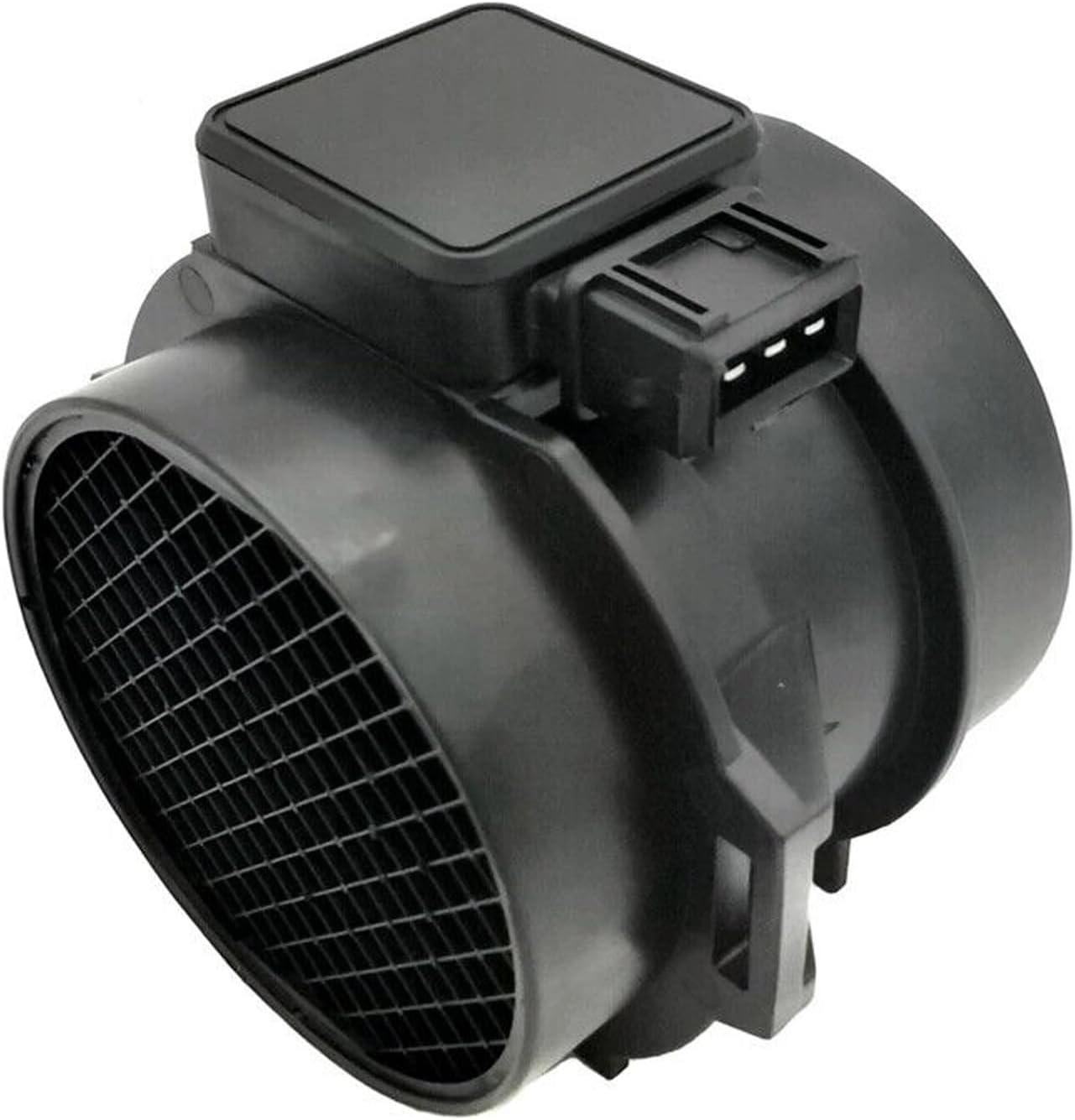
1. TINGYINGDA Mass Air Flow Sensor MAF1004-AA for BMW 3 Series (E39/E46) and Select Models
| Mounting Type | Flange Mount |
|---|---|
| Output Type | Digital |
| Specific Uses For Product | Engine |
| Material Type | Silicon, Ceramics, Metals, Polymers, or Composites |
This TINGYINGDA mass air flow sensor is a digital flange-mount replacement intended to restore correct airflow readings for affected BMW 3 Series engines. It is typically used as a plug-and-play replacement when a failing MAF triggers a check engine light, rough idle, or failed emissions test. The unit claims precision components and factory-spec processing and simplifies installation to about ten minutes with basic hand tools. Practical benefits include quick symptom resolution, the potential to clear fault codes and pass emissions after replacement, and broad fitment for common BMW 323i/325i/328i/528i E39 and E46 years. Limitations to expect are variable fit or compatibility on some specific model years despite listed coverage and mixed user feedback on longevity; some buyers reported immediate success while others reported nonfunctioning units on particular cars. The seller offers a short warranty period, but buyers who need long-term assurance may prefer a brand with extended coverage or a verified OEM part.
Best for: Reliability-focused owners seeking an affordable, quick replacement to restore correct airflow readings and clear engine faults on BMW 3 Series E39/E46 cars.
Less Ideal for: Anyone who prefers a long-term OEM-backed part or needs guaranteed lifetime reliability should consider an OEM or higher-tier aftermarket sensor with extended warranty.
- Designed as a direct flange-mount replacement for many BMW E39 and E46 3 Series models
- Digital output for straightforward integration with factory engine management
- Easy installation that many users report completes in about ten minutes
- Helps resolve check engine lights and can restore driveability and emissions compliance
- Some buyers reported units that did not work on certain model years, indicating inconsistent quality control
- Short six-month warranty offers limited long-term protection compared with extended manufacturer coverage
Verdict A cost-effective, easy-to-install digital MAF for BMW E39/E46 owners who need a fast fix, but expect variable quality and only short-term warranty coverage.
2. OYEAUTO Mass Air Flow Sensor MAF 7410055 Compatible with BMW E46/E39/X5/Z3

| Measurement Accuracy | < 2% |
|---|---|
| Response Time | 15 Milliseconds |
| Output Type | Analog |
| Mounting Type | Flange Mount |
This OYEAUTO mass air flow (MAF) sensor replaces the factory unit on compatible BMW 3 Series and related models to restore correct air measurement and engine performance. It is typically used as a direct swap during a routine intake or diagnostic repair when a bad MAF is causing rough idle, stumble, or check engine lights. Key features from the listing include a reported measurement accuracy under 2 percent, an analog output, flange mounting, and a 15 millisecond response time, which in practice should return stable idle and drivability when wired and installed correctly. The unit is described as easy to install and the seller notes the check-engine light can clear after disconnecting the battery to reset the ECU. Important limitations are real-world variability between aftermarket batches and vehicle tolerance; some users report intermittent stalling on certain BMW applications that required switching to a different brand. If fitment, connector pins, or calibration differ, additional troubleshooting may be needed after installation.
Best for: Performance-minded BMW owners who prioritize restoring precise air metering and responsive engine behavior and are comfortable verifying fitment and performing a direct swap or basic diagnostics.
Less Ideal for: Drivers who want a guaranteed factory-identical outcome without any risk should consider sourcing a well-known OEM-brand replacement or professional diagnosis first.
- Reported measurement accuracy better than 2 percent for precise air flow readings
- Fast 15 millisecond response time helps maintain quick engine adjustments
- Flange mount and analog output match common factory installation style
- Marketed as easy to install for a quick DIY replacement
- Aftermarket units can vary in real-world performance and some users reported stalling on certain BMW applications
- Listing does not include detailed calibration or connector pin verification, so fitment must be confirmed before installation
Verdict A precise, fast-response aftermarket MAF aimed at restoring BMW 3 Series drivability but with the usual variability of non-OEM parts so confirm fitment and monitor performance after installation.
3. maXpeedingrods Mass Air Flow Sensor Meter for BMW 3.0L Vehicles

| Measurement Accuracy | ±1% |
|---|---|
| Mounting Type | Bolt-on |
| Output Type | Analog, Digital |
| Upper Temperature Rating | 125 Degrees Celsius |
This maXpeedingrods mass air flow sensor is an aftermarket replacement intended for BMW six-cylinder 3.0L engines and similar fitments listed for the 128i, 328i/328xi, 528i/528xi, X3, X5, and Z4 model years shown. It measures intake air to feed the engine control unit and restore proper air/fuel balance when a failing sensor throws codes or causes drivability issues. The unit is bolt-on, offers both analog and digital output compatibility, and claims ±1% measurement accuracy and a high temperature rating for under-hood use. In practice this means relatively straightforward installation for a competent DIYer and useful interchangeability with factory wiring and mounts. The sensor is priced competitively, so it is a cost-effective fix for code clearing and rough-idle or fuel trim symptoms. Limitations are typical of budget aftermarket parts: markings differ from factory parts and long-term durability may vary compared with higher-end or OEM replacements, so sellers warranty and return options are worth confirming before installation.
Best for: Budget-conscious BMW owners who prioritize an affordable, working replacement to clear MAF-related codes and restore drivability on late-2000s to early-2010s 3.0L six-cylinder models.
Less Ideal for: Owners seeking a long-term OEM-identical part or those who prefer dealer-sourced factory replacements for full longevity assurances should consider other options.
- Direct bolt-on mounting designed for listed BMW 3.0L six-cylinder models
- Analog and digital output options for compatibility with factory engine controls
- Claims ±1% measurement accuracy for precise airflow readings
- High temperature rating suitable for engine bay environments
- Aftermarket unit lacks factory markings which may concern buyers seeking exact OEM appearance
- Long-term durability compared with higher-end OEM or premium aftermarket sensors is uncertain
Verdict A low-cost, bolt-on replacement MAF that restores air measurement for BMW 3.0L engines but may not match OEM longevity.
4. A-Premium Mass Air Flow Sensor Assembly (3-Pin) for BMW 3/5 Series, X3, X5

| Output Type | Digital |
|---|---|
| Mounting Type | Flange Mount |
| Terminal Quantity | 3 |
| Material Type | Plastic |
This A-Premium mass air flow (MAF) sensor is a bolt-on replacement designed to restore accurate intake airflow readings for BMW 3 Series and related models. It is typically used when a faulty MAF causes rough idle, poor fuel economy, or engine warning lights. The unit includes the plastic housing and a three-pin digital output to feed the engine control unit accurate airflow data, and the manufacturer states it maintains specific tolerances for consistent scan-tool readings. In real-world use the sensor's plug-and-play form and included housing simplify installation for a DIYer or independent shop, and the digital output helps the ECU adjust fuel injection precisely. Limitations to be aware of are that this is an aftermarket unit rather than a factory-branded sensor and long-term durability can vary with driving conditions. Also verify vehicle compatibility carefully before buying because fitment is limited to specific BMW model years and engine types.
Best for: Practical, risk-averse BMW owners who prioritize restoring correct engine operation reliably and prefer a straightforward replacement that an independent shop or competent DIYer can fit.
Less Ideal for: Buyers seeking a factory-branded OEM sensor or those who need multi-vehicle compatibility beyond the listed BMW models should look elsewhere.
- Designed as a direct bolt-on replacement with included housing to simplify installation
- Digital three-pin output provides precise airflow data for the engine control unit
- Manufacturer claims maintained tolerances for accurate scan-tool readings
- Compatible with a range of BMW 3 Series, 5 Series, X3 and X5 engines listed in fitment
- Aftermarket product so long-term durability and exact match to factory parts can vary
- Compatibility is limited to particular model years and engine types, requiring careful verification
Verdict A practical, plug-and-play aftermarket MAF sensor for specific BMW 3 Series and related models that aims to restore proper airflow readings without the premium of a factory-branded part.
5. JTSAUTO Mass Air Flow Sensor for BMW 3 Series (fits select E36/E46/E39 models)

| Mounting Type | Flange Mount |
|---|---|
| Output Type | Analog |
| Upper Temperature Rating | 150 Degrees Celsius |
| Specific Uses For Product | automotive |
This JTSAUTO mass air flow sensor is a direct replacement built to match factory-style fitment for compatible BMW 3 Series models. It measures incoming air mass and sends an analog signal to the engine control unit so fuel delivery and idle control return to expected behavior after installation. The unit arrives with the housing and uses flange mounting for a plug-and-play swap that most DIYers can complete in minutes with basic hand tools. Materials are specified for high-temperature engine environments, which helps durability under normal use. Practical benefits include restoring smooth idle, eliminating airflow-related check-engine codes, and improving throttle response compared with a failing sensor. Some buyers report excellent value and easy installation, though a minority experienced early failure, so results may vary by vehicle condition and installation environment. If precise OEM calibration is critical for performance tuning, professional testing or a factory-quality replacement may be preferable.
Best for: Practical optimizers who want a cost-effective, vehicle-specific replacement to fix airflow-related drivability issues without paying dealership labor or premium parts prices.
Less Ideal for: Drivers who need guaranteed factory-level longevity for performance builds or who prefer dealer-sourced parts and calibration services should consider OEM replacements.
- Vehicle-specific design for direct fit on listed BMW 3 Series models reduces installation time
- Includes housing and uses flange mount for plug-and-play replacement
- Constructed with high-temperature stable materials for improved durability under engine heat
- Analog output compatible with factory engine control systems to restore correct fuel metering
- Not guaranteed to match long-term reliability of an exact factory replacement for every vehicle
- Some users reported premature failures, so quality can vary between units
Verdict A budget-friendly, plug-and-play replacement that restores proper air metering on compatible BMW 3 Series models, but may not match dealer-level longevity in every case.
6. A-Premium Mass Air Flow Sensor Assembly (3-Pin) Compatible with BMW E36/E46 and Select Models

| Maximum Supply Voltage | 5 Volts |
|---|---|
| Mounting Type | Bolt on |
| Output Type | Electrical |
| Upper Temperature Rating | 125 Degrees Celsius |
This A-Premium mass air flow (MAF) sensor is a direct-replacement style unit that measures incoming air and sends an electrical signal to the engine control unit so the car can set fuel injection correctly. It installs as a bolt-on part and includes the housing for a plug-and-play swap on supported BMW 3 Series model years. Notable attributes include a three-pin electrical connector, a specified measuring range and claimed ±2% accuracy, and a maximum supply voltage rating suitable for automotive electrical systems. In real use the sensor can clear lean codes, restore idle stability and bring back throttle responsiveness when the original unit is failing. Buyers report quick fixes and straightforward installation, though quality can vary compared with factory sensors so some units may not last as long or deliver OEM-level consistency. The product is best when you need an affordable, immediate replacement and are prepared to monitor performance after installation or have a backup supplier if precise long-term calibration is critical.
Best for: Balanced all-round buyers who want an affordable, straightforward replacement to get a BMW 3 Series running cleanly again without paying OEM prices.
Less Ideal for: Enthusiasts seeking guaranteed OEM-level longevity or zero risk of drivability changes should consider a factory-quality sensor or dealer-sourced option.
- Bolt-on design for simple, mostly plug-and-play replacement
- Three-pin electrical connector matches specified BMW fitments
- Claims measurement accuracy of around ±2% across its range
- Includes housing so the unit arrives ready to install
- Build quality is not always identical to factory sensors which can affect long-term durability
- Some users report intermittent or short-lived failures on sensitive engines
Verdict A practical, cost-conscious replacement MAF for BMW 3 Series owners that restores drivability quickly but may not match factory sensor longevity.
Choosing the Right BMW 3 Series Mass Air Flow Sensor: Key Factors to Consider
Fitment and Connector Compatibility
Correct physical fit and exact connector match are essential to avoid modification and ensure a reliable seal to the intake tract. A sensor that does not seat properly can introduce air leaks, causing lean or rich conditions and erratic idle.
Connector pinouts must match the vehicle harness to prevent wiring changes that can compromise reliability or trigger faults. Confirm the sensor’s flange geometry and screw pattern line up with the factory mounting to prevent stress on the housing or electrical contacts during installation.
Electrical Signal Consistency
The MAF provides a voltage or frequency signal that the ECU uses to calculate fuel delivery. Variations or noise in that signal can lead to unstable fuel trims, hesitation, and diagnostic codes.
Look for sensors specified to produce stable output across idle to high-RPM ranges and that maintain calibration over time. Components with improved shielding and stable sensing elements tend to deliver more reliable readings under typical driving conditions.
Contamination Resistance and Durability
Under-hood contaminants such as oil, dust, and moisture can degrade sensor performance. Sensors designed with protective meshes, coatings, or airflow paths that reduce direct exposure to contaminants typically last longer and maintain accuracy.
Material quality of the housing and connector also affects longevity, as repeated heat cycles and vibration can cause cracks or corrosion. Prioritizing robust construction reduces the chance of premature failure and recurrent diagnostics.
Diagnostic Compatibility
A replacement sensor should allow the vehicle’s diagnostic system to operate normally and provide clear fault codes when issues occur. Sensors that closely match the original output characteristics help avoid false trouble codes and make troubleshooting simpler.
Consider whether the sensor’s signal behavior is documented well enough to interpret common codes and whether it supports standard test procedures for confirming operation using a multimeter or scan tool.
Ease of Installation and Service
How accessible the sensor is and how straightforward the install process will be affects both DIYers and technicians. Sensors that use factory-style fasteners and connectors minimize the need for specialty tools and reduce installation time.
Also consider whether routine service tasks like cleaning or re-seating the connector are practical without disassembling major intake components. Designs that allow quick access help keep service costs and downtime lower.
Calibration Stability and Long-Term Accuracy
Over time, sensor characteristics can drift, affecting fuel mixture and emissions. Choosing a sensor known for calibration stability helps maintain engine performance and diagnostic reliability over many miles.
Sensors with stable sensing elements and consistent manufacturing tolerances are less likely to require frequent re-calibration or replacement, reducing long-term maintenance needs and keeping drivability predictable.
FAQ
What are common symptoms of a failing MAF sensor in a BMW 3 Series?
Common signs include rough idle, stalling, hesitation during acceleration, and fluctuating fuel economy. You may also see illumination of the check engine light with related codes. Symptoms often depend on how the sensor has degraded and whether it is causing a lean or rich condition.
Can I clean the mass air flow sensor instead of replacing it?
Cleaning can temporarily restore function if contamination is light and the sensing element is intact. Use a cleaner made for airflow sensors and follow safe, manufacturer-like procedures. Cleaning may not help if the sensing element is electrically damaged or the housing has been compromised.
How do I test a MAF sensor on a BMW 3 Series?
Basic tests include checking the wiring and connector for corrosion or damage, then measuring the sensor output voltage or frequency at idle and during increased airflow. Use a multimeter or scan tool to look for plausible changes as RPMs rise. If outputs are erratic or absent, the sensor is likely faulty.
Will a bad MAF sensor trigger a P0100 code?
Yes, the P0100 code commonly indicates an issue with the mass airflow circuit and can appear when the ECU detects inconsistent, implausible, or missing airflow signals. That code guides further testing rather than proving the sensor itself is defective without diagnostic verification.
Is installation difficult for a BMW 3 Series MAF sensor?
Installation difficulty varies by engine bay layout and access to the intake tract, but many replacements fit the factory mounting and connector, making swap-outs straightforward for someone with basic tools. Ensure the connector is fully seated and the intake seal is intact to avoid vacuum leaks after installation.
How We Chose the Best BMW 3 Series Mass Air Flow Sensor
We prioritized parts and units that match BMW 3 Series electrical connectors and mounting points, ensuring correct fitment and secure sensor-to-intake sealing. Electrical reliability was a major criterion, including stable output across typical RPM ranges and resistance to signal drift that can trigger diagnostic trouble codes.Durability under heat and under-hood contaminants was evaluated through material and design characteristics, such as sensor housing quality and protective mesh or coating that reduce sensitivity to oil and dirt. Diagnostic clarity mattered, so we looked for sensors that produce consistent signals that enable accurate fault detection and easier interpretation of common codes like P0100.Ease of installation and serviceability were considered, including access to wiring harnesses, connector types, and whether the design supports straightforward replacement and re-seating. We excluded items that required extensive intake modification, custom wiring, or nonstandard mounting adaptations. Units without clear fitment information for BMW 3 Series applications or with ambiguous electrical specs were also removed from consideration.
Our full evaluation process is outlined in our review methodology.
Conclusion
When replacing a BMW 3 Series mass air flow sensor, prioritize exact fitment, secure electrical compatibility, and signal stability. These factors most directly affect engine response, fuel trim accuracy, and diagnostic clarity.Balance contamination resistance and build quality against ease of installation and long-term calibration stability. Addressing the root cause through correct selection and proper installation will restore drivability and reduce the chance of repeat diagnostics.
Explore More:
- Check out all BMW 3 Series parts & accessories
- Explore Mass Air Flow Sensors Maintenance & Repair Guides
- Explore Engine
- Browse all Auto Parts
