

Note: This article contains affiliate links. If you click on these links and make a purchase, I may earn a small commission at no extra cost to you. This helps support my research and content. Read my full affiliate disclosure here.
If you own a 1993-2001 Subaru Impreza, choosing the right engine oil matters more than ever as these engines age. The correct oil keeps valves and rings lubricated, limits sludge buildup in older seals, and helps control oil consumption while supporting dependable cold starts.This guide covers the top shortlisted engine oils suitable for the 1993-2001 Impreza, explaining why each oil type made the cut and the evaluation criteria used. You will find guidance on viscosity choices, synthetic versus conventional options, and considerations for higher-mileage engines. Read on to see which oils meet the durability and protection needs common to these model years.
Looking for other parts? See all Subaru Impreza parts & accessories.
Top Picks at a Glance
| Best Overall Engine Oil A well-rounded choice balancing protection, longevity, and price | Mobil Full Synthetic Motor Oil 5W-30, 5 Quart |  |
| Best Budget Engine Oil A low-cost option that still meets basic protection standards | Castrol GTX 10W-30 Conventional Motor Oil, 5-Quart Bottle |  |
| Best Premium Engine Oil A higher-end formulation for maximum durability and performance | LIQUI MOLY Molygen New Generation 5W-30 Fully Synthetic Motor Oil, 5 L |  |
| Best High-Mileage Engine Oil Formulated to protect older engines and reduce leaks or oil burn | Castrol EDGE High Mileage 5W-30 Full Synthetic Motor Oil, 5 Qt |  |
| Best Full Synthetic Engine Oil Fully synthetic base stocks for maximum protection and cold flow | Valvoline Advanced Protection Full Synthetic SAE 5W-30 Motor Oil, 5 qt |  |
| Best Synthetic Blend Engine Oil A middle ground between conventional and full-synthetic performance | Valvoline High Mileage with MaxLife Technology 5W-30 Synthetic Blend Motor Oil, 1 Qt |  |
| Best 5W-30 Engine Oil The common multi-grade viscosity for versatile temperature performance | LIQUI MOLY Top Tec 4200 5W-30 Fully Synthetic Engine Oil, 1 L |  |
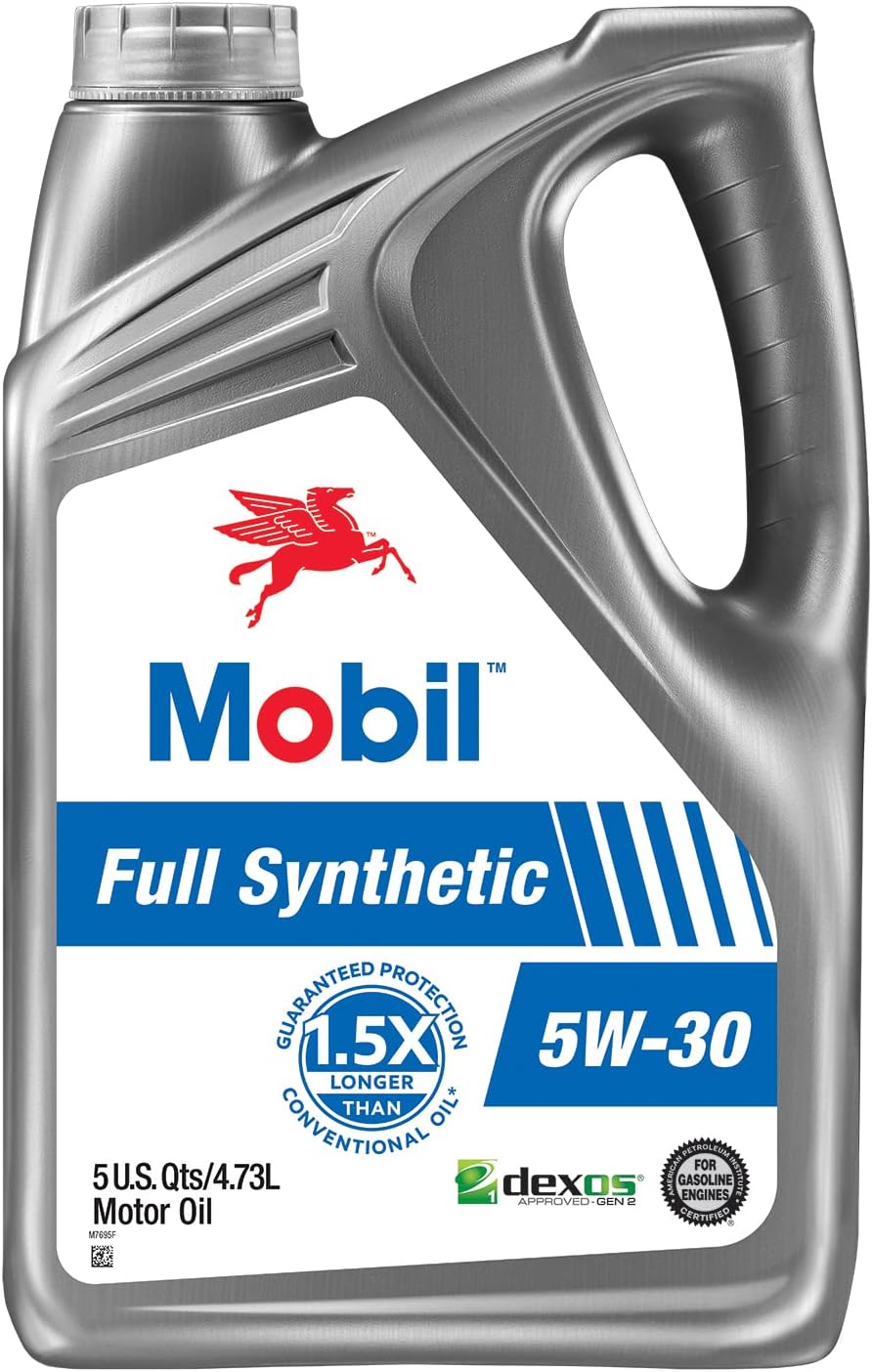
1. Mobil Full Synthetic Motor Oil 5W-30, 5 Quart
Best Overall Engine Oil
| Viscosity Grade | 5W-30 |
|---|---|
| Liquid Volume | 5 quarts |
| Compatible with Vehicle Type | Car |
| Item Type Name | Full Synthetic Motor Oil |
Mobil Full Synthetic 5W-30 is designed as a straightforward full-synthetic replacement for routine oil changes on gasoline passenger cars, including 1993–2001 Subaru Impreza models that call for a 5W-30 viscosity. The oil helps prevent sludge and deposits with a balanced additive system and resists viscosity loss at high operating temperatures, which supports engine wear protection for everyday driving and light spirited use. Its formulation claims extended protection between changes compared with conventional oils, and meets modern API SP resource-conserving standards useful for older engines that benefit from improved oxidation stability. Practical limitations include following the Impreza owner’s manual for recommended change intervals and ensuring 5W-30 is an appropriate viscosity for the specific engine and climate; as with any full-synthetic, some owners prefer conventional or blend oils for very high-mileage engines that have long used thicker oils. For DIY maintenance the product comes in a familiar 5-quart bottle size and is easy to pour and measure during oil service.
Best for: A DIYer maintaining a 1993–2001 Subaru Impreza who wants a modern full-synthetic oil that balances wear protection, thermal stability, and everyday fuel-economy benefits for routine oil changes.
Less Ideal for: Owners seeking a dedicated high-mileage formulation, specialty viscosity outside 5W-30, or those preferring conventional oils for engines with long-established older seals should consider alternatives.
- Full-synthetic formulation offers strong oxidation and high-temperature viscosity stability
- Balanced additive system helps reduce sludge and deposit formation
- Meets API SP resource-conserving for modern protection and fuel-economy considerations
- Available in a 5-quart bottle convenient for a single DIY oil change
- Not tailored specifically for very high-mileage engines that may prefer thicker or specialty formulations
Verdict: The best overall engine oil delivers balanced wear protection, oxidation stability, and fuel-economy performance for most DIY mechanics' routine maintenance needs.
2. Castrol GTX 10W-30 Conventional Motor Oil, 5-Quart Bottle
Best Budget Engine Oil

| SAE Viscosity Grade | 10W-30 |
|---|---|
| Liquid Volume | 5 Quarts |
| Compatible with Vehicle Type | Car |
| Viscosity Level | Low to Medium |
| Meets Specifications | API SP/SN PLUS/SN/SM | ILSAC GF-6 |
Castrol GTX 10W-30 is a conventional motor oil intended for routine oil changes in gasoline cars. It is typically used by DIYers and service shops for regular maintenance intervals where factory-recommended 10W-30 viscosity is required. The formula focuses on fighting sludge build-up and resisting thermal breakdown to keep older engines cleaner between changes. In practical use it delivers stable viscosity for everyday driving, helps reduce oil consumption compared with many generic conventional oils, and meets common API and ILSAC specifications for backward compatibility. Notable features include a proven formula with anti-wear additives and a 5-quart bottle that makes a single drain and fill convenient. Limitations are that it is a conventional oil rather than a synthetic, so it will not provide the extended drain intervals, shear resistance, or high-temperature protection of modern synthetic blends; owners planning long oil-change intervals or severe-service use should consider synthetics instead.
Best for: Cost-conscious DIYers maintaining older gasoline cars who change their oil on a regular schedule and want a reliable, proven conventional oil to control sludge and provide everyday protection.
Less Ideal for: Drivers seeking extended drain intervals, maximum high-temperature protection, or the best shear resistance should choose a synthetic or synthetic-blend oil instead.
- Formulated to reduce sludge and help extend engine life in regular-use engines
- Meets API SP and ILSAC GF-6/previous specs for broad compatibility with older engines
- 5-quart bottle size suited for a single DIY oil change
- Stable 10W-30 viscosity for everyday driving conditions
- Conventional base oil limits high-temperature and long-drain performance compared with synthetic oils
Verdict: The best budget engine oil gives reliable basic engine protection and decent service life at a low price for cost-conscious DIYers who change oil regularly.
3. LIQUI MOLY Molygen New Generation 5W-30 Fully Synthetic Motor Oil, 5 L
Best Premium Engine Oil

| Viscosity | 5W-30 |
|---|---|
| Brand | Liqui Moly |
| Size | 5 Liter |
| Model | Molygen New Generation SAE 5W-30 |
This Liqui Moly Molygen New Generation 5W-30 is a fully synthetic engine oil built around a molecular friction control additive package that lowers frictional losses and helps prevent deposit formation. For an older Subaru Impreza from 1993 to 2001, it is intended to deliver stable viscosity under heat, improved wear protection during extended drain intervals, and modest fuel economy gains compared with conventional oils. You would use it in regular oil service to protect valvetrain and bearing surfaces, especially if you plan longer mileage between changes or want enhanced protection during spirited driving. The green-tinted formulation signals the brand's MFC chemistry and the product comes in a 5 liter pack suitable for multiple drains. Limitations to consider are that the label lists 5W-30 viscosity only, so confirm this grade meets your engine's original recommendation, and some older engines with high mileage or leaks may prefer a thicker or high-mileage specific formula for seal conditioning.
Best for: Mechanically minded owners who prioritize maximum engine protection and want an oil formulated for longer drain intervals and reduced internal friction in a daily-driven or enthusiast 1993–2001 Subaru Impreza.
Less Ideal for: Owners seeking a dedicated high-mileage or thicker seal-conditioning formula for leaking or very high-mileage engines should consider oils formulated specifically for those needs.
- MFC additive technology designed to reduce friction and help prevent deposits
- Fully synthetic formulation for stable performance across temperatures
- 5 liter pack covers multiple oil changes
- Targets improved fuel consumption and extended engine life
- Available only in a single SAE grade (5W-30) so it may not match all older Subaru recommendations
Verdict: The best premium engine oil prioritizes superior thermal stability, additive technology, and longer drain intervals for mechanics who want top-tier protection and longevity.
4. Castrol EDGE High Mileage 5W-30 Full Synthetic Motor Oil, 5 Qt
Best High-Mileage Engine Oil

| SAE J300 Viscosity Grade | 5W-30 |
|---|---|
| Compatible with Vehicle Type | Vehicles with over 75,000 miles |
| Liquid Volume | 160 Fluid Ounces |
| Meets Specifications | API SP / ILSAC GF-6 |
Castrol EDGE High Mileage 5W-30 is a full synthetic motor oil designed to help extend the life of higher-mileage engines. It is formulated with conditioners and a proprietary phosphorus replacement technology meant to protect the catalytic converter while reducing sludge, corrosion, timing-chain wear, and volatility. In practice this means it can help reduce oil burnoff and slow down common high-mileage issues like deposit buildup and minor leaks. The oil meets modern specifications including API SP and ILSAC GF-6 and is intended for universal fit across gasoline engines that call for 5W-30. For an older Subaru Impreza from 1993 to 2001, this oil offers the benefit of dispersants and additives that support cleaner internals and reduced wear on timing components, and the high-mileage formulation aims to be gentler on seals. Trade-offs are that it is a synthetic 5W-30, so verify the Subaru's recommended viscosity and service specs before switching, and specific improvements to leaks or consumption will vary with engine condition.
Best for: Drivers of 1993–2001 Subaru Impreza who want a high-mileage synthetic oil that focuses on reducing deposits, protecting emission components, and helping seal performance in worn engines.
Less Ideal for: Owners who must follow a specific viscosity different from 5W-30 or who prefer conventional oils and original factory-specified formulations.
- Formulated specifically for vehicles with over 75,000 miles and includes seal-conditioning additives
- Phosphorus replacement technology to reduce catalytic converter-harming phosphorus while maintaining wear protection
- Contains dispersants and detergents to reduce sludge and keep engine internals cleaner
- Meets current industry specs including API SP and ILSAC GF-6
- Viscosity is fixed at 5W-30 so it may not match older Subaru recommendations that favor different grades
Verdict: The best high-mileage engine oil contains conditioners and seal-friendly additives to reduce oil consumption, minimize leaks, and protect worn components in higher-mileage engines.
5. Valvoline Advanced Protection Full Synthetic SAE 5W-30 Motor Oil, 5 qt
Best Full Synthetic Engine Oil

| SAE J300 Viscosity Grade | 5W-30 |
|---|---|
| Container Type | Jug |
| Compatible with Vehicle Type | Car, Truck |
| Liquid Volume | 5 Quarts |
Valvoline Advanced Protection 5W-30 is a full synthetic engine oil designed to protect engines from wear, heat, friction, and deposits while maintaining flow at cold starts. It is typically used as a direct replacement during oil changes for gasoline engines that call for a 5W-30 grade. Notable features include additives claimed to deliver stronger wear protection, better deposit defense, and enhanced heat resistance compared with industry baselines. In practical use that combination helps keep internal parts cleaner, reduces metal-to-metal contact at startup, and supports consistent oil pressure under higher operating temperatures. The formula also promotes easier cold starts and can contribute to modest fuel-economy improvements. Limitations: it is a modern full synthetic meeting current API/ILSAC specs, so technicians should confirm the 5W-30 grade and API approvals match the requirements for a 1993–2001 Subaru Impreza and its engine condition before switching, especially in high-mileage engines that sometimes prefer higher-viscosity or specialty high-mileage formulations.
Best for: DIY mechanics who want a modern full synthetic that prioritizes thermal stability, cold-start protection, and strong wear resistance for routine oil changes on a well-maintained 1993–2001 Subaru Impreza.
Less Ideal for: Owners seeking a dedicated high-mileage or thicker-viscosity oil for worn engines or those preferring manufacturer-original vintage formulations may want to consider alternatives tailored to older powertrains.
- Full synthetic base oils provide strong film strength and improved wear protection.
- Additive package aimed at deposit control and heat resistance to keep engines cleaner.
- Good low-temperature flow to reduce startup wear and aid cold-weather performance.
- Meets modern API and ILSAC performance categories for broad gasoline-engine coverage.
- Formulation and viscosity must be checked against older Subaru factory recommendations and seals for compatibility.
- Not specifically marketed as a high-mileage formula for engines with significant wear or leaks.
Verdict: The best full synthetic engine oil provides the highest level of film strength, thermal resistance, and cold-start flow for DIY mechanics seeking top performance and protection.
6. Valvoline High Mileage with MaxLife Technology 5W-30 Synthetic Blend Motor Oil, 1 Qt
Best Synthetic Blend Engine Oil

| SAE Viscosity Grade | 5W-30 |
|---|---|
| Liquid Volume | 1 Quarts |
| Compatible with Vehicle Type | Car, Truck |
| Flash Point | 394 Degrees Fahrenheit |
Valvoline High Mileage with MaxLife Technology is a 5W-30 synthetic blend designed to address common problems in older engines, such as wear, leaks, and deposit buildup. For 1993–2001 Subaru Impreza owners maintaining an aging engine, this oil provides extra anti-wear additives and seal conditioners that help reduce oil consumption and slow gasket and seal deterioration. The formula also includes detergents to limit sludge and corrosion and friction-fighting additives that can help preserve performance and efficiency between service intervals. Packaged in a convenient 1-quart bottle, it is suitable for top-offs or during a drain-and-fill when paired to meet the car's required capacity. Because it is a synthetic blend rather than full synthetic, it delivers many protective benefits at a midrange cost, though it will not match the extended drain intervals or the highest thermal stability of full synthetic oils. It meets modern API and ILSAC specs, making it a straightforward choice for owners who want enhanced protection for high-mileage Impreza engines without the premium price of full synthetics.
Best for: Owners of 1993–2001 Subaru Impreza who want improved engine protection and reduced oil leaks in aging engines while keeping maintenance costs moderate.
Less Ideal for: Drivers seeking maximum thermal stability and the longest possible oil change intervals should consider a full synthetic specifically specified for their Subaru instead.
- Formulated for high-mileage engines with anti-wear additives and seal conditioners to reduce leaks.
- Detergents and additives help reduce sludge, corrosion, and deposits for cleaner internals.
- Meets current API SP and ILSAC GF-6A specifications for broad compatibility.
- Synthetic blend offers many synthetic benefits at a midrange price point.
- Not a full synthetic, so it offers shorter recommended drain intervals and slightly lower high-temperature stability than full synthetics.
Verdict: The best synthetic blend engine oil offers improved protection and performance over conventional oils at a midrange price, ideal for users wanting some synthetic benefits without the full cost.
7. LIQUI MOLY Top Tec 4200 5W-30 Fully Synthetic Engine Oil, 1 L
Best 5W-30 Engine Oil

| Viscosity | 5W-30 |
|---|---|
| Brand | Liqui Moly |
| Vehicle Service Type | Car, Truck, Diesel Car |
| Size | 1 Liter |
LIQUI MOLY Top Tec 4200 is a fully synthetic 5W-30 formulated for low‑SAPS compatibility and extended oil change intervals. In use it provides good cold‑start flow for easier cranking and quick oiling on startup while keeping viscosity at high operating temperatures to protect bearings and valvetrain components. The low‑SAPS chemistry makes it suitable for engines with modern aftertreatment systems, and the 1 liter bottle is convenient for topping off between changes. For an owner maintaining a 1993–2001 Subaru Impreza, this oil delivers balanced everyday protection and supports longer drain intervals when following manufacturer guidance. Trade-offs are that the low‑SAPS formulation is optimized for newer engine designs, so users who prefer thicker zinc/phosphorus additives for high‑mileage flat‑four engines or severe-duty track use may choose a different motor oil designed for those priorities.
Best for: A practical owner aiming for balanced cold-start performance and reliable high‑temperature protection during routine driving who plans to follow scheduled service intervals.
Less Ideal for: Drivers seeking oils specifically formulated for high‑mileage Subaru engines with elevated additive levels or those who frequently use the car for sustained track sessions should consider alternatives tailored to those demands.
- Fully synthetic 5W-30 provides strong cold-start flow and high-temperature protection
- Low‑SAPS formula reduces ash emissions and is friendly to modern emission systems
- Suitable for extended oil change intervals when following manufacturer recommendations
- Compact 1 liter size is convenient for top-offs and small oil changes
- Low‑SAPS chemistry may have lower levels of zinc and phosphorus compared with oils formulated for high‑mileage or race use
Verdict: The best 5W-30 engine oil is chosen for its balanced cold-start fluidity and high-temperature protection, making it a go-to viscosity for many routine automotive applications.
Choosing the Right 1993-2001 Subaru Impreza Engine Oil: Key Factors to Consider
Viscosity Grade
Viscosity determines how readily the oil flows through the engine at different temperatures and directly affects bearing protection and startup wear. For 1993-2001 Subaru Impreza engines, selecting the correct viscosity grade helps ensure there is adequate oil pressure at operating temperature while allowing sufficient flow on cold starts.
Using a heavier grade than recommended can increase oil consumption and reduce fuel economy, while a thinner-than-recommended oil may fail to maintain a protective film under load. Consider local climate, typical driving distances, and the engine's current wear condition when deciding between grades like 5W-30 or 0W-20. If the car has higher mileage or shows minor oil consumption, a slightly higher viscosity at operating temperature can sometimes help preserve oil pressure and reduce consumption.
Base Oil Type (Conventional Vs Synthetic)
Base oil type influences thermal stability, oxidation resistance, and how well the oil maintains protective properties over time. Synthetic motor oil typically offers better flow at low temperatures, improved shear resistance at high temperatures, and extended service life compared with conventional oils.
For aging Subaru boxer engines, a synthetic or synthetic-blend oil can reduce sludge formation and offer more consistent viscosity retention, which benefits both cold starts and sustained highway driving. However, conventional oils can still be suitable for low-mileage, lightly driven vehicles when changed frequently. Evaluate how often you perform maintenance and the engine's current condition when choosing between base oil types.
Additive Package and Wear Protection
The additive package determines detergency, anti-wear protection, and corrosion inhibition. Modern additive chemistries help keep piston crowns and ring grooves clean, neutralize combustion byproducts, and form protective boundary films under metal-to-metal contact.
For Impreza engines of this era, look for oils with proven anti-wear agents and detergents that help counteract sludge and varnish buildup common in older engines. Seal conditioners in the formula can also slow gasket and seal drying. Avoid oils with unclear or minimal additive disclosures if engine protection is a priority.
Cold-Start Performance
Cold-start lubrication is when most engine wear occurs because oil is thick and must circulate to bearings and cam components. Oils with strong low-temperature flow characteristics reduce wear during the first moments after startup, especially important for drivers in cold climates or those who make many short trips.
Grades with low 'W' numbers and synthetic base oils typically perform better at cold temperatures. For daily-driven Imprezas that face freezing mornings or stop-and-go commutes, prioritize an oil that flows quickly at startup to protect the oil pump and valvetrain until normal operating temperatures are reached.
Compatibility With Higher-Mileage Engines
As engines accumulate miles, clearances widen and seals may harden, which can change how the engine interacts with oil. High mileage formulations and oils with slightly higher operating viscosity can help maintain oil pressure and reduce consumption.
Consider an oil that contains seal conditioners if your Impreza shows signs of minor leaks or increased consumption. Also, evaluate whether the oil's detergent level and dispersant chemistry suit engines that may have more deposits. If the vehicle has had regular maintenance with conventional oils, switching to a full synthetic may improve protection but monitor for leaks after the change.
Oil Change Interval and Oxidation Resistance
How often you plan to change the oil affects which formulations make sense. Oils with higher oxidation resistance and strong shear stability can maintain protective properties for longer drain intervals, which is useful if you prefer extended service periods.
For older Imprezas, weigh the benefit of longer intervals against the risk of built-up contaminants in engines with existing wear or deposit problems. If drain intervals are extended, choose an oil with robust antioxidant chemistry and follow recommended filter changes to protect the engine effectively.
Choosing Viscosity for Different Driving Conditions
Viscosity choice should reflect both climate and driving habits. For drivers in colder regions, a lower cold-viscosity rating helps the oil flow quickly on startup. For warmer climates or heavy-load driving, a standard operating viscosity that preserves oil film at temperature is more important.
Daily commuters that do many short trips benefit from oils that excel in cold-flow performance, while highway-focused drivers can prioritize operating-temperature protection. If you live where temperatures vary seasonally, consider switching grades between summer and winter to balance protection and consumption.
- Cold climates: favor lower 'W' numbers for faster startup flow.
- Highway use: prioritize operating-temperature viscosity and shear stability.
- Mixed use: choose a balanced grade that covers typical ambient temperatures in your area.
Synthetic Vs Conventional: Practical Considerations
Synthetic oils often deliver better cold starts, oxidation resistance, and longer-term stability than conventional oils. This makes synthetics a strong choice for older Subaru Impreza engines where sludge and deposit control are a concern.
Conventional oils can still be acceptable when maintenance is frequent and the engine has no sign of deposit-related issues. If you switch from conventional to full synthetic, monitor for any changes in leakage or consumption for a few oil changes.
- Synthetic: better shear and thermal stability, often longer service windows.
- Conventional: fine for frequent-change routines and lower-mileage use.
- Synthetic blend: compromise between protection and cost for mixed-use vehicles.
Addressing High Mileage Symptoms
If your Impreza has high mileage, expect slightly higher oil consumption and potential seal degradation. Choosing an oil formulated for higher-mileage engines can help restore softer seals and reduce minor leaks while providing detergency to manage deposits.
Regular monitoring of oil level and condition is important; check levels between changes and look for signs of contamination or excessive darkening. If consumption is significant, consult a technician, but selecting a slightly higher operating viscosity and a seal-friendly formula can often mitigate symptoms.
- Look for oils that include seal conditioners if small leaks are present.
- Increase monitoring frequency after switching oil types.
- Consider balancing viscosity increase with the potential impact on fuel economy.
Cold-Weather Startup and Short-Trip Strategies
Short trips are hard on older engines because oil never reaches full temperature, allowing deposits to accumulate. Use oils with strong low-temperature flow to minimize startup wear and perform more frequent oil changes if many short trips are routine.
Additionally, try extended warmups only where necessary and combine short trips into longer runs when possible to bring the engine to operating temperature and burn off moisture and combustion byproducts.
- Prioritize low-temperature flow for stop-and-go or frequent short-drive patterns.
- Schedule periodic longer drives to achieve full operating temperature.
- Use correct viscosity for winter months to protect during cold starts.
Monitoring Oil Condition and When To Change
Regular checks are the simplest way to catch issues early. Look for rapid darkening, metal particles, or sudden drops in oil level. These signs can indicate contamination, internal wear, or leaks that need attention.
Follow a maintenance schedule that reflects driving conditions: more frequent changes for severe service and short-trip drivers, and longer intervals only if using oils and filters rated for extended drains with consistent monitoring.
- Check oil level monthly and before long trips.
- Smell and color changes can indicate fuel dilution or coolant contamination.
- Replace filter at every oil change to keep contamination levels low.
Still looking for the perfect fit?
Select your Subaru Impreza configuration to see the most relevant Engine Oils recommendations
How We Chose the Best 1993-2001 Subaru Impreza Engine Oil
We evaluated candidate oils against criteria that matter most for 1993-2001 Subaru Impreza engines. Our primary filters emphasized viscosity compatibility for the Subaru boxer engines across the specified years, engine wear protection measured by additive technology, and thermal and shear stability to preserve oil film under load. Cold-start performance and flow at lower temperatures were assessed because many owners still drive these cars in varied climates. We also prioritized oil formulations with detergents and dispersants that reduce sludge potential in older engines and with seal-friendly additive packages to limit leaks on aging gaskets.Additional criteria included suitability for higher-mileage engines, resistance to oxidation over extended drain intervals, and manufacturer service-fill equivalency where applicable. We excluded products lacking published viscosity-grade data or those with unclear additive specifications. Oils intended exclusively for racing or short-drain track use were not considered. The resulting list balances protection, real-world drivability, and compatibility with the typical maintenance patterns for these Impreza model years.
Our full evaluation process is outlined in our review methodology.
FAQ
What viscosity should I use in a 1993-2001 Subaru Impreza during winter?
For cold climates, choose a grade with a lower cold-viscosity rating to improve flow on startup. Many owners prefer a 0W or 5W-rated oil in winter, combined with an appropriate operating-temperature viscosity to maintain protection once the engine is warm.
Can I switch from conventional oil to full synthetic in an older Impreza?
You can switch to full synthetic, and many owners do for better cold-flow and oxidation resistance. After switching, monitor for signs of increased leakage or consumption for a few changes, since synthetics can free deposits and reveal minor seal issues.
Is a high-mileage formulation necessary for my Impreza?
A high-mileage formulation can help if your car shows oil consumption, minor leaks, or reduced compression. These oils often include seal conditioners and detergents aimed at engines with more deposits, but they are not mandatory for every high-mileage vehicle.
How often should I change oil in a 1993-2001 Impreza?
Change intervals depend on oil type and driving conditions. For severe service or frequent short trips, change more often, such as every 3,000 to 5,000 miles with conventional oils. Synthetic oils with good oxidation resistance can allow longer intervals, but always follow monitoring practices and filter replacement schedules.
Will a thinner oil improve fuel economy in my Impreza?
A thinner oil at operating temperature can slightly improve fuel economy by reducing internal friction. However, thinning too much for a worn engine may increase oil consumption and reduce protection, so balance economy against protection needs.
What should I watch for after changing oil types?
After changing oil formulations, check for leakage, changes in oil consumption, and any unusual noises. Also monitor oil level and color over the following drives to ensure the new oil is compatible with the engine's condition and does not accelerate wear or reveal hidden issues.
Final Verdict
For the 1993-2001 Subaru Impreza, prioritize an oil that matches the recommended viscosity for your climate while offering strong anti-wear protection and good detergency. Synthetic or synthetic-blend oils typically provide the best balance of cold-start flow and thermal stability, which helps aging boxer engines run cleaner and maintain oil pressure.Weigh tradeoffs such as slightly higher viscosity to reduce consumption against the minor fuel economy impacts. Regular monitoring and proper filter changes are as important as oil choice. With careful selection based on viscosity needs, mileage, and driving habits, you can extend engine life and maintain dependable performance.
Explore More:
- Check out all Subaru Impreza parts & accessories
- Explore Fluids & Chemicals
- Browse all Accessories
