

Note: This article contains affiliate links. If you click on these links and make a purchase, I may earn a small commission at no extra cost to you. This helps support my research and content. Read my full affiliate disclosure here.
When your Chevrolet Impala brake master cylinder shows wear, braking performance and safety can be affected. You want a replacement that restores pedal firmness, prevents fluid loss, and fits correctly so the rest of the braking system works as intended. This guide presents seven shortlisted Chevrolet Impala brake master cylinders chosen for fitment, seal quality, and reliability.Below you will find the top picks with context about why each made the list and concise notes on installation and compatibility. The selections are based on common failure modes, durability, and ease of maintenance to help you make a confident choice.
Looking for other parts? See all Chevrolet Impala parts & accessories.
Top Picks at a Glance
| Best Overall The best all-around choice for most situations | TRQ Brake Master Cylinder BCA51903 for Chevrolet Impala (2009–2016) |  |
| Best quality Built to a higher standard if you want something more solid | ACDelco Gold Brake Master Cylinder Assembly (19176562) |  |
| Best Value The sweet spot between price and what you get | ACDelco Gold Brake Master Cylinder Assembly |  |
| Best budget The cheapest option that still gets the job done reliably | Dorman M40000 Brake Master Cylinder (replacement) |  |
| Highest Rated A top-rated pick with lots of positive feedback | Dorman M64885 Brake Master Cylinder — Replacement for Select Chevrolet/GMC Models |  |
| Most Popular A crowd favorite that many people choose with confidence | Dorman M76162 Brake Master Cylinder |  |
| Best Seller A high-volume bestseller chosen again and again | Dorman M39646 Brake Master Cylinder |  |
1. TRQ Brake Master Cylinder BCA51903 for Chevrolet Impala (2009–2016)

| Master Cylinder Bore Diameter | 25.4 mm |
|---|---|
| Material | Aluminum |
| Reservoir Included | Yes |
| Sensor Included | Yes |
| Bleeder Kit Included | Yes |
This TRQ master cylinder replaces the factory unit on compatible Chevrolet Impala models and comes preassembled to simplify installation. It is made from aluminum with a 25.4 mm bore and arrives with the reservoir, cap, sensor, and a bleeding kit so you can bench-bleed and install without sourcing extra parts. Typical use is a like-for-like brake system repair where the old master cylinder has failed or is leaking; buyers report straightforward fitment and firm pedal feel after installation. The machined exterior and included hardware make it practical for DIYers and independent shops, and TRQ provides installation videos to guide the process. A caution: fitment depends on correct OE/reference numbers so confirm compatibility before ordering, and a few users noted bleeder valves can be fussy during bleeding. For drivers who want a balanced mix of ease-of-install and factory-style replacement performance, this unit covers the core needs well.
Best for: Balanced all-round buyers who want a reliable, easy-to-install factory-quality replacement for Chevrolet Impala brake repairs and value a mix of DIY convenience and long-term dependability.
Less Ideal for: Buyers who are unwilling to verify part reference numbers before purchase or who need a performance-upgraded master cylinder beyond standard replacement specifications should consider alternatives.
- Direct-fit preassembled unit reduces installation time and avoids modifications
- Includes reservoir, sensor, cap, and a bleeder kit so no extra parts are required for replacement
- Aluminum construction with machined exterior for corrosion resistance and factory-like durability
- Manufacturer provides installation videos and guidance for DIY-friendly fitting
- Fitment requires verifying correct OE/reference numbers because incorrect selection will not fit
- Some users reported the included bleeder valves can let air in or be difficult to use during bleeding
Verdict: A complete, direct-fit master cylinder that simplifies Impala brake repairs by bundling required components and installation support.
2. ACDelco Gold Brake Master Cylinder Assembly (19176562)
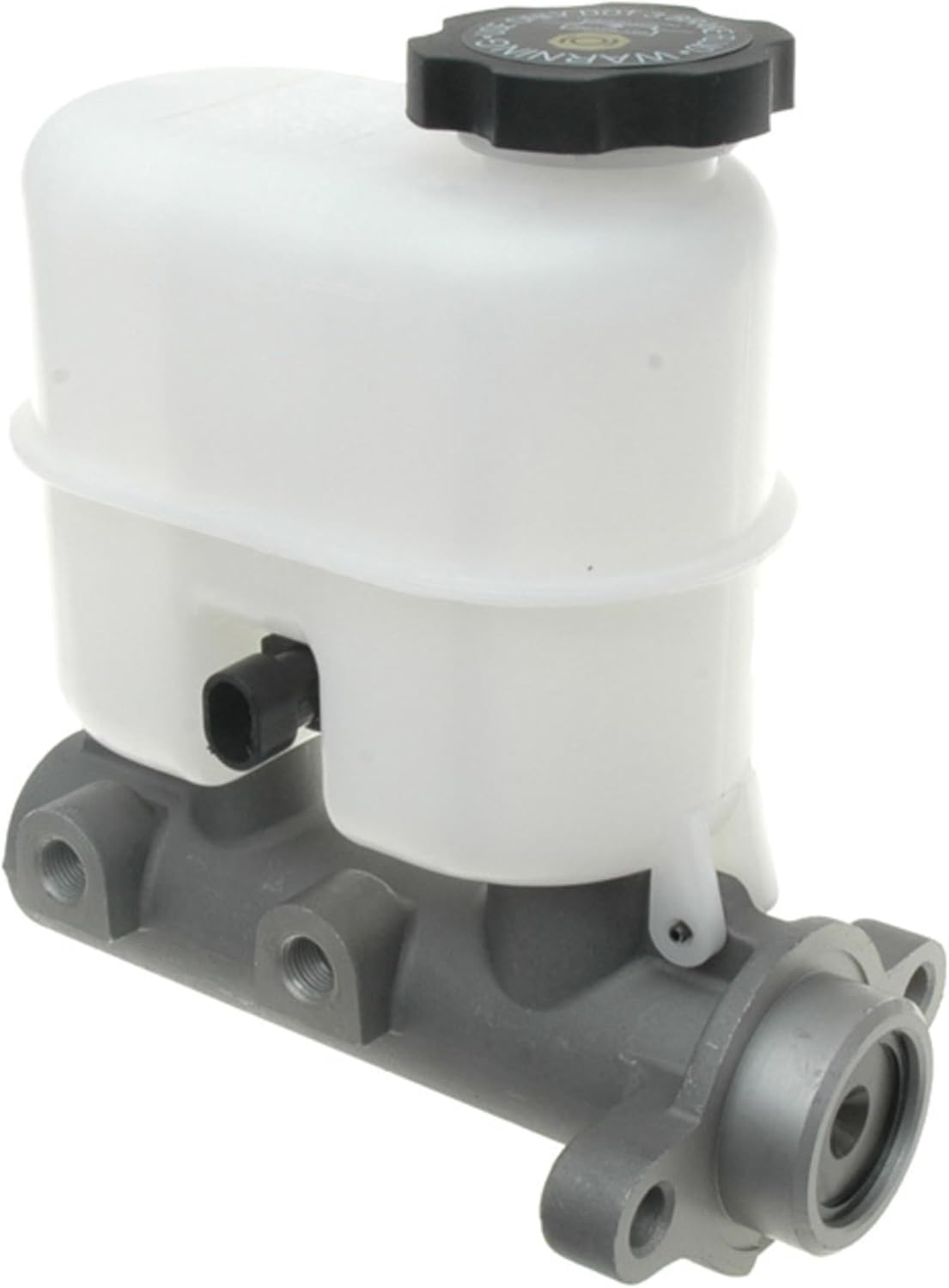
| Manufacturer Part Number | 19176562 |
|---|---|
| Item model number | 18M1159 |
| Exterior | Machined |
| Item Weight | 2 pounds |
This ACDelco Gold brake master cylinder assembly replaces a worn or leaking master cylinder and restores hydraulic braking control on compatible Chevrolet Impala models. It arrives bench-bleed ready and is intended to bolt in as a direct replacement with no additional assembly. The unit uses aluminum and iron castings with EPDM and SBR rubber components to resist heat, corrosion, and leakage, which helps maintain pedal feel and minimize fluid loss under hard or repeated braking. Typical use is a like-for-like repair when the original master cylinder fails or when upgrading to a fresh, factory-quality aftermarket unit during a brake overhaul. Installers should bench-bleed the unit and fully bleed the vehicle ABS and wheel circuits after fitment to remove air and ensure consistent brake performance. Some buyers have reported missing bleed hoses in rare cases, so check the package contents before starting the job. This part focuses on reliable stopping performance rather than modifying brake characteristics for racing applications.
Best for: Performance-oriented buyers who want a high-quality, factory-style master cylinder replacement for a Chevrolet Impala to restore firm pedal feel and dependable stopping in everyday and spirited driving.
Less Ideal for: Drivers looking for race-spec or aftermarket performance master cylinders aimed at track braking or significant system pressure changes should consider specialist performance parts instead.
- Factory-quality aftermarket construction suitable as a direct replacement for compatible Chevrolet vehicles
- Bench-bleed ready for quicker installation and reduced air in the system before fitment
- EPDM and SBR rubber components improve resistance to heat, corrosion, and leakage
- Combination of aluminum and iron castings balances durability and corrosion protection
- Some buyers report missing bleed hoses in individual packages which may require sourcing hoses separately
- Not intended as a performance-modifying part for track-focused brake upgrades
Verdict: ACDelco Gold delivers a factory-quality, bench-bleed-ready master cylinder that restores reliable braking for performance-minded Chevrolet Impala owners.
3. ACDelco Gold Brake Master Cylinder Assembly

| Brand | ACDelco |
|---|---|
| Model | Brake Master Cylinder Assembly |
| Manufacturer Part Number | 19176488 |
| Item model number | 18M1878 |
The ACDelco Gold Brake Master Cylinder Assembly is a ready-to-install replacement unit built to restore hydraulic brake pressure and pedal feel on compatible vehicles. It ships bench-bleed ready so you can install it and bleed the system without additional assembly, which speeds up a garage repair or DIY job. The unit uses aluminum and iron castings with EPDM and SBR rubber components to resist heat, corrosion, and leakage for reliable sealing over time. Typical use is as a direct replacement when the original master cylinder shows internal leaks, soft or sinking brake pedal, or contamination of the bore. The practical benefit is a close factory-quality fit and function that returns predictable braking without expensive remanufacturing. Limitations are that it is a single replacement component so any related parts like the booster, proportioning valve, or lines may still need attention, and proper bench bleeding and correct alignment at installation are required to avoid installation issues. For a cost-conscious repair on the Impala this provides a durable, straightforward solution.
Best for: Practical optimizers who want a factory-quality, cost-effective replacement to restore reliable brake performance on a Chevrolet Impala without overpaying for remanufactured parts.
Less Ideal for: Buyers looking for a full brake system overhaul or those who prefer a complete remanufactured assembly including related components should consider broader repair options.
- Bench-bleed ready for quicker installation and reduced air in the brake lines
- Aluminum and iron construction aimed at durable, factory-like fit and function
- EPDM and SBR rubber components provide resistance to heat, corrosion, and leakage
- Manufactured as an ACDelco Gold tier part which targets high-quality aftermarket replacement standards
- Does not address or replace other braking components that may also be worn such as booster or proportioning valve
- Requires careful alignment and proper bleeding during installation to ensure correct operation
Verdict: A practical, bench-bleed ready, factory-quality replacement that restores brake function on the Impala at a reasonable value.
4. Dorman M40000 Brake Master Cylinder (replacement)

| Brand | Dorman |
|---|---|
| Model | M40000 |
| Compatible Vehicles | Select Chevrolet models (1962–1966 Impala and other mid-60s models listed) |
| Material – Exterior | Machined housing |
| New/Remanufactured | 100% new |
The Dorman M40000 is a 100% new replacement master cylinder designed to replicate the design and performance of the original unit for specific classic Chevrolet vehicles. It installs in place of the factory part and is used when the original master cylinder leaks, fails to hold pressure, or requires replacement during a brake system rebuild on vintage Impalas. The housing is machined to match the original casting and the internal rubber components use EPDM compound for compatibility with glycol-based brake fluid. Practical benefits include factory-style fit and appearance, SAE-standard manufacturing, and broad compatibility with mid-1960s Chevrolet models, making it useful for restoration projects or bringing a nonfunctional brake system back to service. Limitations are that fitment is vehicle-year specific so you must confirm exact model year and trim, and a small number of users reported installation or bench-bleeding confusion and rare leaking units, so careful inspection and proper bleeding technique are important. This part is a budget-friendly way to restore braking function on period Chevy vehicles but requires correct fit confirmation and standard installation care.
Best for: Budget-conscious restorers and DIY mechanics who want a factory-style, affordable replacement master cylinder for classic Chevrolet Impala brake repairs and restorations.
Less Ideal for: Drivers who need a universal or modern multi-vehicle solution or who prefer professionally remanufactured or OEM-sourced parts should consider other options.
- Built as a completely new replacement rather than remanufactured, reducing risk of reused wear
- Machined housing matched to original casting for close fit and factory-like appearance
- EPDM rubber internals compatible with glycol-based brake fluid for durability
- Made to SAE specifications to meet common aftermarket quality expectations
- Compatibility is limited to specific mid-1960s vehicle years and trims so fit must be verified before purchase
- Some users reported unclear bench-bleeding instructions and a few isolated reports of leaks after bench bleeding
Verdict: A cost-effective, factory-style replacement for mid-1960s Chevrolet braking systems that works well for restorations if you confirm exact fit and follow correct installation procedures.
5. Dorman M64885 Brake Master Cylinder — Replacement for Select Chevrolet/GMC Models

| Brand | Dorman |
|---|---|
| Model | M64885 |
| Compatible vehicles | Select Chevrolet/GMC models including 1967–1970 Chevrolet Impala |
| Construction | 100% new materials, machined housing |
The Dorman M64885 is a new, non-remanufactured brake master cylinder made to match the design and function of the factory unit used on specific Chevrolet Impala years. It replaces the original manual-style master cylinder and is typically used when the existing unit leaks, has a worn bore, or when restoring an older vehicle to safe operating condition. The housing is machined to mirror the casting of the original part and rubber components use EPDM compound that resists glycol-based brake fluid, which helps longevity and reduces the chance of seal failure. Fitment covers several 1967–1970 Impala years listed by the manufacturer, so installation is straightforward for someone restoring period braking systems and wanting to keep manual brake setup. Buyers should verify exact year and trim before ordering because the listing targets specific vintage models and not modern systems. This is a practical factory-style replacement that prioritizes correct fit and durable materials over aftermarket performance upgrades.
Best for: A reliability-focused buyer restoring or maintaining a late 1960s Chevrolet Impala who prioritizes a correct, durable factory-style replacement over performance modifications.
Less Ideal for: Drivers seeking improved braking power, modern features, or fitment for newer Impala models should consider other solutions or upgraded master cylinders.
- Built new rather than remanufactured, reducing risk of hidden wear or contamination.
- Machined housing and factory-compatible design aim to match original fit and function for listed vehicles.
- EPDM rubber components resist glycol-based brake fluid to improve seal life and durability.
- Compatibility is limited to specific late 1960s and 1970 models so it will not fit modern Impala years.
- Does not upgrade braking performance or add features like power assist; it is a like-for-like replacement.
Verdict: A solid, factory-style new replacement that restores original braking function on listed 1967–1970 Chevrolet Impala models rather than improving performance.
6. Dorman M76162 Brake Master Cylinder

| Brand | Dorman |
|---|---|
| Model | M76162 |
| Manufacturer Part Number | M76162 |
| Material note | EPDM rubber components |
The Dorman M76162 is a 100% new aftermarket brake master cylinder made to reproduce the casting, function, and performance of the original component on specific vehicle applications. It is used as a direct replacement when an original master cylinder leaks, fails to build pressure, or shows internal wear. Notable features include a painted housing, EPDM rubber seals formulated for glycol-based brake fluid, and manufacturing to SAE specifications for consistent operation. In practical terms that means straightforward replacement and reliable hydraulic pressure when bench bled and installed correctly; customers report good fit and predictable braking response. The part is built from new materials rather than remanufactured cores, which reduces the risk of early failure from wear. Expect to bench bleed the unit before installation and consider painting exposed cast surfaces if corrosion resistance is important since the finish can show surface rust over time. Fitment must be verified for the exact Impala year and brake booster configuration before purchase.
Best for: Convenience-minded Chevy Impala owners who want a ready-to-install, new replacement that restores braking performance with minimal fuss and avoids sourcing a remanufactured core.
Less Ideal for: Owners seeking an exact OEM-branded part or those who prioritize premium corrosion protection out of the box should consider factory-original units or upgraded aftermarket options.
- Built entirely from new components for reduced risk of internal wear compared with remanufactured units
- EPDM rubber seals formulated for resistance to glycol-based brake fluids
- Painted housing with factory-replacement casting for consistent fit and function
- Manufactured to SAE standards to match original performance characteristics
- Painted finish may begin to surface-rust over time on exposed metal surfaces
Verdict: A ready-made, new aftermarket master cylinder that restores factory-style braking performance for compatible Chevrolet Impala applications.
7. Dorman M39646 Brake Master Cylinder

| Brand Name | Dorman |
|---|---|
| Manufacturer | Dorman Products |
| Manufacturer Part Number | M39646 |
| Automotive Fit Type | Vehicle Specific Fit |
| Manufacturer Warranty Description | Limited Lifetime Warranty |
This Dorman master cylinder is a direct-fit replacement designed to restore brake pressure and stop leakage on compatible Chevrolet trucks and SUVs from the late 1980s to mid 1990s. It is constructed from new materials with an aluminum housing and EPDM rubber seals to resist glycol-based brake fluid, so it is durable and corrosion resistant compared with older, worn units. Typical use is a straightforward swap of the failed factory unit during a brake-system repair; installers report the part fits like the original and simplifies bleeding and reassembly. The part is vehicle specific so it reduces fitment guesswork and is supplied as the main component only, meaning you may need to reuse or separately source small hardware and bleeder fittings. It meets SAE specifications and comes from a long-running aftermarket brand, which makes it a practical choice for replacing a leaking or failed master cylinder on covered Chevy applications, though buyers should confirm exact year and trim compatibility before purchase.
Best for: Risk-averse buyers who prioritize a proven, factory-style replacement and want a straightforward fix for a leaking or failed master cylinder on covered Chevrolet models.
Less Ideal for: Buyers seeking parts for newer Chevrolet Impala generations or those who want a fully kitted installation pack including hoses and fittings should consider alternatives.
- Vehicle-specific fit reduces modification and installation time on compatible Chevrolets
- Aluminum housing for corrosion resistance and similar casting to original parts
- EPDM rubber components resist glycol-based brake fluid for longer seal life
- Made entirely of new materials rather than remanufactured components
- Ships as the main component only so small fittings or bleed hoses may need to be sourced separately
- Compatibility limited to older Chevrolet models so not suitable for modern Impala generations
Verdict: A reliable, vehicle-specific factory-style master cylinder replacement built from new materials to restore brake function on compatible Chevrolet models.
Choosing the Right Chevrolet Impala Brake Master Cylinder: Key Factors to Consider
Fitment and Mounting Pattern
Correct fitment ensures the master cylinder aligns with the Impala's brake booster, mounting bolts, and hydraulic lines. A mismatched mounting pattern can require adapters or modification, increasing installation time and the risk of leaks. Ensuring the pushrod length and bore location match the vehicle avoids pedal geometry issues and excessive pre-load on seals. Proper fitment also reduces the chance of stressing brake lines or the booster flange during tightening. When a component is designed for the vehicle, the result is less fuss during installation and fewer post-install adjustments.
Seal Material and Resistance
Seal composition determines how well the master cylinder resists brake fluid contamination, heat, and age-related hardening. Materials with good resistance to glycol-based fluids and high temperatures maintain a firm pedal and prevent internal bypass that leads to a soft pedal. Poor-quality seals are a common cause of symptoms like a sinking pedal or external fluid weeping. Choosing units with durable seals reduces the frequency of rebuilds and lowers the likelihood of emergency failures. Consider seals that are specified for automotive brake fluids and engineered to resist volumetric changes over time.
Bore Finish and Internal Engineering
The internal bore finish affects friction, wear rate, and how smoothly the pistons operate under pressure. A finely machined, properly plated bore minimizes scoring and extends seal life, promoting consistent hydraulic pressure and pedal feedback. Inferior finishes can create micro-abrasion that degrades seals faster and leads to internal leaks. Attention to piston tolerances and surface treatments also reduces the risk of contamination-caused wear. For drivers, this translates to more predictable braking and fewer maintenance interventions over the vehicle's lifespan.
Reservoir Design and Venting
Reservoir capacity and venting affect maintenance intervals and how the system handles fluid expansion. A reservoir sized to accept expected fluid levels during normal pad wear reduces the need for frequent topping up. Proper venting prevents pressure build-up and allows air to escape during bleeding or thermal cycling. A poorly vented or undersized reservoir can complicate bleeding and promote aeration, which shows up as a spongy pedal. Consider designs that make level checking and bleeding accessible without disturbing connected components.
Compatibility With Brake System Components
The master cylinder must work with the Impala's calipers, ABS modulator, and brake booster to generate correct line pressure and proportioning. Differences in bore size or internal valving influence pedal travel and the balance between front and rear braking. Choosing a unit that matches the vehicle's original hydraulic ratios helps retain expected pedal feel and stopping distances. Also consider the location and type of hydraulic ports so hoses and rigid lines connect without stress or rerouting.
Ease Of Installation and Serviceability
An easy-to-install master cylinder reduces labor time and the chance of installation errors that can lead to leaks or poor performance. Features like bolt-on fitment, standard port threads, and clear reservoir markings simplify replacement. Serviceability matters if you anticipate doing maintenance yourself; units that accept common rebuild kits or allow straightforward piston seal replacement save time and cost. Consider how the part affects bleeding, whether bench-bleeding is recommended, and whether additional adjustments to the pedal height or booster pushrod are typically required.
How We Chose the Best Chevrolet Impala Brake Master Cylinder
We focused on factors that matter for a Chevrolet Impala brake master cylinder in everyday driving and routine maintenance. Key evaluation criteria included precise fitment to the Impala master cylinder bore and mounting pattern, seal materials and resistance to brake fluid contamination, and internal bore finish to reduce wear and reservoir compatibility. We also considered ease of installation and whether standard fittings and pushrod geometry match typical Impala configurations. Longevity under normal driving load and susceptibility to common failure modes such as internal seal leaks and reservoir contamination were assessed. We excluded units intended for heavy-duty racing, custom fabrication, or non-Impala specific universal assemblies that require substantial modification. The final list emphasizes replacements that minimize additional adjustments, simplify bleeding, and reduce the likelihood of repeat failures.
Our full evaluation process is outlined in our review methodology.
FAQ
What are common master cylinder symptoms I should watch for on a Chevrolet Impala?
Common signs include a soft or sinking brake pedal, visible brake fluid at the firewall or under the master cylinder, and an increase in pedal travel. You might also notice brakes feeling uneven or the vehicle pulling slightly during braking. These symptoms often point to internal seal wear or external leaks but can also stem from other hydraulic or ABS issues.
Can I replace the master cylinder myself and what should I expect?
Many owners with moderate mechanical experience can replace a master cylinder, but it requires careful bleeding of the brake system and attention to fluid cleanliness. Expect to disconnect hydraulic lines at the master cylinder, remove mounting hardware, transfer or replace the reservoir, and bleed the system thoroughly afterward. If you are unsure about bleeding procedures or pedal geometry adjustments, consider professional assistance to ensure safe braking performance.
How do I know if a brake fluid leak is coming from the master cylinder?
Look for fluid pooling near the top of the firewall, wetness around the master cylinder body, or damp brake booster areas. A master cylinder seal leak often appears at the mounting flange or where the reservoir joins the body. Wiping components dry and observing the source after a short test drive can help confirm the origin. Keep in mind that fluid on wheels or lines can come from calipers or fittings, so inspect the entire system.
Is it worth rebuilding a worn master cylinder instead of replacing it?
Rebuilding can be a cost-effective option if the cylinder body and bore are in good condition and only the seals or pistons need replacement. A rebuild kit addresses common failure points such as seal deterioration or piston wear. However, if the bore is corroded, scored, or out of round, replacement is usually safer and more reliable. Evaluate the cylinder condition before deciding.
Will changing the master cylinder affect brake pedal feel?
Yes, master cylinder internal dimensions and bore condition influence pedal firmness and travel. Installing a properly sized and fitted unit typically restores the intended pedal feel, while a mismatched or worn cylinder can produce a spongy or overly firm response. Proper bleeding and ensuring compatibility with the booster and proportioning components also play significant roles in final pedal feel.
Do master cylinder upgrades require changes to other braking components?
Upgrades that alter bore size or hydraulic ratios may affect line pressure balance and could necessitate adjustments elsewhere, such as proportioning valves or ABS calibration. Most direct-fit replacements are designed to match the original specifications and do not require additional component changes. If you are considering a non-standard unit, plan to verify system balance and consult technical guidance.
Conclusion
Prioritize correct fitment, durable seals, and a well-finished bore when choosing a Chevrolet Impala brake master cylinder. Those factors have the biggest impact on pedal feel, leak resistance, and long-term reliability. Balance ease of installation and serviceability with compatibility to the vehicle's booster and hydraulic layout to minimize additional adjustments.Keep in mind the tradeoffs between rebuilding and replacing: rebuilds save cost when the bore is sound, while full replacements remove concerns about internal damage. Focus on parts that reduce the chance of repeat leaks and simplify bleeding to restore dependable braking safely.
Explore More:
- Check out all Chevrolet Impala parts & accessories
- Explore Brake Master Cylinders Maintenance & Repair Guides
- Explore Brake System
- Browse all Auto Parts
