

Note: This article contains affiliate links. If you click on these links and make a purchase, I may earn a small commission at no extra cost to you. This helps support my research and content. Read my full affiliate disclosure here.
A properly chosen backup camera makes reversing and tight parking maneuvers far safer in a 2009-2013 Subaru Forester. Whether you frequently park in crowded lots, navigate narrow driveways, or tow light cargo, adding a camera reduces blind spots and helps you spot pedestrians, obstacles, and curbs earlier.This guide covers the top picks for Forester owners, selected for their image clarity, mounting options, and installation approach. We evaluated options that match the Forester's rear geometry and common trim wiring so you can pick a system that balances visibility, durability, and how much work you want to put into the install. Read on to see the shortlisted backup cameras and the criteria we used to evaluate them.
Looking for other parts? See all Subaru Forester parts & accessories.
Top Picks at a Glance
| Best Overall Backup Camera A dependable, all-around reverse camera that balances image, durability, and fit | AUMUME 9" Double Din Car Stereo with Built-in Backup Camera for Subaru Forester 2008–2012 |  |
| Best Budget Backup Camera A low-cost universal camera that covers basic reversing needs affordably | QUICTO 170° License Plate Backup Camera with 12 LED Night Vision |  |
| Best License-plate Backup Camera Long license-plate or frame-mounted cameras with built-in LEDs and discreet mounting | KIFIDAN License Plate Backup Camera with Night Vision and 170° Wide Angle |  |
| Best OEM-fit Replacement Camera Direct-replacement cameras made to plug into factory harnesses and OE connectors | Generic Car Rear View Reverse Backup Camera for Subaru Forester 2008–2012 |  |
| Best IP68/IP69K Waterproof Camera Rugged, highly sealed cameras rated for heavy wash, rain, and snow | NATIKA Backup/Front View Metal OEM-Style Reverse Camera |  |
| Best AHD/1080P Backup Camera High-resolution analog (AHD) cameras and 1080P-capable units for sharper images | vampolo AHD 1080P License Plate Backup Camera, 170° Wide Angle |  |
| Best Plug‑and‑Play Monitor Kit Complete kits with monitor and camera or USB plug‑and‑play setups for easy installs | LeeKooLuu LK3 Wired Backup Camera Kit with 4.3" USB Monitor |  |
1. AUMUME 9" Double Din Car Stereo with Built-in Backup Camera for Subaru Forester 2008–2012
Best Overall Backup Camera

| Screen Size | 9 inches |
|---|---|
| Display Type | IPS |
| Operating System | Linux |
| Touch Screen Type | Capacitive |
| Included Camera | CVBS 720P rear view camera |
This AUMUME unit combines a 9-inch IPS touchscreen stereo with a bundled 720P rear view camera to give Forester owners an integrated backup camera solution. Installed in a double-din dash, the stereo provides wireless or wired CarPlay and Android Auto mirroring, Bluetooth hands-free calling, FM radio, and steering wheel control support so you can access navigation and audio without taking your eyes off the road. The included camera supports AHD 720P and CVBS signals and is designed for plug-and-play connection with the provided wiring harness, which simplifies installation for a DIY mechanic. The 1280×720 display and IPS panel deliver good daytime clarity and wide viewing angles; the package also advertises night-capable imaging and voice control to help with low-light reversing. Limitations include reliance on the vehicle-specific dash fit and the camera being 720P rather than 1080P for maximum detail. Expect some setup for reverse trigger and parking guidelines during installation, but the overall kit targets a straightforward swap-in with weather-resistant camera hardware for everyday backing tasks.
Best for: DIY mechanics who want a single replacement head unit that adds a reliable backup camera, smartphone integration, and straightforward plug-and-play wiring for a 2009–2013 Subaru Forester.
Less Ideal for: Drivers who prioritize the highest possible camera resolution or a factory-exact infotainment interface should consider higher-end cameras or head units with 1080P cameras or OEM-matched systems.
- Integrated 9-inch IPS touchscreen with 1280×720 resolution for clear daytime viewing
- Supports wireless and wired CarPlay and Android Auto for easy navigation and media control
- Includes AHD 720P rear view camera with CVBS support and required cabling for plug-and-play installation
- Built-in Bluetooth, FM radio, and steering wheel control compatibility for seamless in-car use
- Camera is 720P rather than higher-resolution 1080P, limiting fine detail at longer distances
Verdict: The go-to pick for most DIY mechanics who want a reliable backup camera with clear daytime and nighttime imaging, solid weather resistance, and straightforward installation.
2. QUICTO 170° License Plate Backup Camera with 12 LED Night Vision
Best Budget Backup Camera

| Voltage | 12 Volts |
|---|---|
| Optical Sensor Technology | CMOS |
| Real Angle of View | 170 Degrees |
| Connector Type | RCA |
| Lux rating | 1.5 Lux |
The QUICTO backup camera is a simple, budget-focused rearview camera designed to mount to a license plate frame and feed video to a compatible monitor or factory screen via RCA. It delivers a very wide 170 degree field of view that helps reveal curb and low obstacle blind spots when reversing, and the 1/3-inch CMOS sensor plus 12 built-in LEDs improves visibility after dark. The camera is IP67 rated and constructed for outdoor use, so it withstands rain and road grime on everyday drives. Installation is surface-mount and straightforward for anyone comfortable running a single RCA video cable and power tap to a 12V reverse circuit. Limitations include a modest 420-line video resolution that shows less fine detail than higher-end cameras and the product ships without a monitor or vehicle-specific mounting hardware. For simple parking assistance and as an affordable upgrade to older Subaru Forester systems, it provides the core features that matter at a low price point.
Best for: Buyers looking for the cheapest reliable backup camera to add basic wide-angle rear visibility and night illumination to a 2009–2013 Subaru Forester without changing the vehicle wiring or display setup.
Less Ideal for: Drivers who need high-resolution imaging for trailer hitching, close-up detail work, or a fully integrated OEM-style replacement should consider higher-end or vehicle-specific camera solutions.
- 170 degree super wide field of view reduces rear blind spots
- 12 integrated LEDs for usable night illumination
- IP67 waterproof rating for reliable all-weather use
- Simple surface-mount design with standard RCA connector for easy integration
- 420-line resolution is lower than midrange and premium cameras
Verdict: Choose this slot if you want the cheapest reliable camera that still provides night illumination and a wide-angle view for simple parking jobs and upgrades.
3. KIFIDAN License Plate Backup Camera with Night Vision and 170° Wide Angle
Best License-plate Backup Camera

| Voltage | 12 volts |
|---|---|
| Optical Sensor Technology | CMOS |
| Field Of View | 170 degrees |
| Connector Type | RCA |
| Video Capture Resolution | 1080p |
This KIFIDAN license-plate backup camera is a low-profile camera intended to hang at the license plate area and feed video to a compatible in-dash monitor or aftermarket display via the included 19 ft RCA cable. It has a 170° wide-angle lens and a 1/3-inch CMOS sensor that produces a clear wide field of view for reversing, plus seven infrared beads and one high-sensitivity sensor light to deliver usable color night images when the vehicle’s reverse or plate lights are on. The housing is sealed to IP68 standards for resilience to rain and car washes, and the kit includes power and AV leads for a straightforward DIY install. Important limits are that the camera is analog and its 500K-pixel sensor cannot match modern smartphone or digital recorder resolution, and long unshielded runs over about 6 meters can suffer signal loss unless a repeater or better shielding is used. Also check that your Forester’s monitor accepts RCA video and the vehicle provides stable 6–12V reverse power for reliable operation.
Best for: Buyers who want a compact, near-invisible license-plate camera for a neat DIY install on a Subaru Forester and prioritize wide coverage and night visibility over high-definition image detail.
Less Ideal for: Drivers who need HD recording-quality backup video, or those whose vehicle displays do not accept RCA inputs should consider a digital or vehicle-specific camera instead.
- Low-profile license-plate mounting designed for concealed, tidy installs
- 170° wide-angle lens provides broad rear coverage to reduce blind spots
- Integrated infrared and sensor light support usable night-color imaging with vehicle lights on
- IP68 sealed housing resists heavy rain and car washes for durable outdoor use
- Includes long 19 ft RCA cable and power lead for typical DIY routing to in-dash displays
- Analog 500K-pixel sensor means image detail is lower than modern digital/HD cameras
Verdict: This label is for compact cameras designed to mount on or behind the license plate, offering low-profile installation and integrated night lights for neat DIY installs.
4. Generic Car Rear View Reverse Backup Camera for Subaru Forester 2008–2012
Best OEM-fit Replacement Camera

| Viewing Angle | 170 |
|---|---|
| Fitment Type | Direct Replacement |
| Waterproof | Yes |
This rear view backup camera is marketed as a direct replacement for Subaru Forester 2008–2012 models and is built for license-plate mounting with a 170 degree wide-angle view. It is used to restore or upgrade rear visibility when reversing and parking, delivering a broader field of view to spot obstacles and pedestrians. The camera is described as fully sealed for weather resistance and equipped with a light-sensitive image processor to improve low-light performance. Its direct replacement fitment and factory-style connector layout aim to simplify installation without cutting or splicing factory wiring or fabricating mounting brackets. Practical benefits include easier installation for DIYers and improved night visibility compared with older factory cameras. Limitations are that compatibility still needs visual confirmation against your vehicle connection and mounting design, and the listing lacks detailed electrical pinout or compatibility notes for nonstandard trims, so verification before purchase is recommended.
Best for: Buyers who want a near drop-in replacement that minimizes wiring changes and avoids custom brackets, especially those restoring or replacing a failed rear camera on a 2009–2013 Forester.
Less Ideal for: Users seeking a camera with verified multi-trim compatibility, documented electrical pinouts, or additional features like integrated parking guidelines or wireless connectivity.
- Designed as a direct replacement to match factory-style mounting and wiring for easier installation
- 170 degree wide-angle lens increases rear coverage to help spot obstacles
- Fully sealed waterproof construction for reliable operation in rain and snow
- Image processor improves low-light sensitivity for better night-time visibility
- Listing does not include detailed connector pinout or explicit trim-level compatibility
- Fitment still requires visual confirmation against the vehicle and may vary by factory options
Verdict: Pick this when you need a drop-in replacement that matches OEM connectors, mounting points, and fitment to avoid splicing or custom brackets.
5. NATIKA Backup/Front View Metal OEM-Style Reverse Camera
Best IP68/IP69K Waterproof Camera
| Voltage | 12 Volts |
|---|---|
| Optical Sensor Technology | CMOS |
| Field Of View | 170 Degrees |
| Video Capture Resolution | 720p |
| Lux rating | 0.01 Lux |
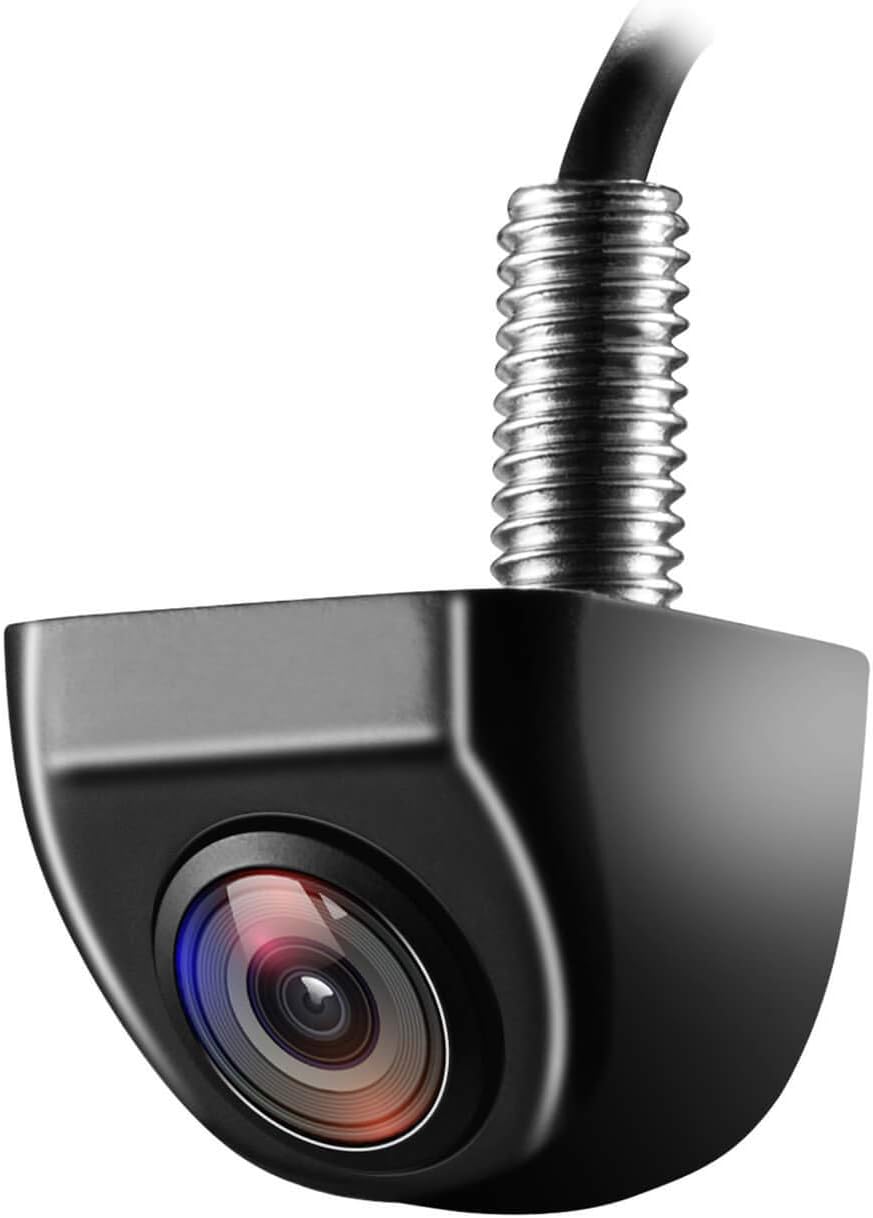
The NATIKA backup camera is a compact metal unit designed for exterior mounting that focuses on durability and visibility in poor conditions. It uses a 1/2.7-inch CMOS sensor with 720p video capture and a very low lux rating, so it delivers usable images at night and in dim light. The camera offers a wide field of view (160 to 170 degrees listed) and multiple mounting orientations, plus wiring loops to switch between front, rear, or tailgate-facing views and to enable or disable parking guidelines. Its sealed, glue-filled housing and IP69K/IP68-class waterproofing make it resistant to high-pressure washdowns and heavy weather, which is useful for vehicles exposed to road spray or frequent car washes. Connection is via an RCA video lead, so you will need a compatible monitor or a harness adapter for a factory screen. For a 2009-2013 Subaru Forester this camera is a rugged option if you want a small, OEM-style unit that tolerates harsh environments; plan for a simple wiring harness purchase and basic drilling or bracket work during installation.
Best for: Drivers who need a weatherproof, small-form backup camera for a Forester that will withstand frequent car washes, heavy rain, or rough-road spray and who value durability over the absolute highest image resolution.
Less Ideal for: Buyers who want plug-and-play integration with a factory monitor without adding a harness or those who prioritize the sharpest available high-resolution video.
- Sealed metal housing rated for heavy washdowns and bad weather for long-term exterior use
- Very low light sensitivity (0.01 Lux) gives clearer nighttime views compared with basic cameras
- Wide field of view covers large blind spots for easier reversing and parking
- Switchable orientation and guideline on/off loops let you adapt the camera for rear, front, or tailgate mounting
- Uses an analog RCA output so a harness adapter is required to integrate with many factory screens
- 720p and 576-pixel still resolution are adequate but not as sharp as newer HD automotive cameras
Verdict: This slot highlights cameras engineered for harsh environments—sealed housings and high IP ratings—so they keep working after car washes and in bad weather.
6. vampolo AHD 1080P License Plate Backup Camera, 170° Wide Angle
Best AHD/1080P Backup Camera

| Video Capture Resolution | 1080p |
|---|---|
| Field Of View | 170 Degrees |
| Connector Type | RCA |
| Optical Sensor Technology | CMOS |
| Voltage | 12 Volts |
This vampolo backup camera delivers higher-definition analog output (1080p AHD) to compatible head units while also supporting standard CVBS/RCA for older monitors. It mounts in a license-plate location and uses a 170 degree wide-angle glass lens and a 1/3" CMOS sensor to give a broad field of view and clearer detail when reversing. The camera is housed in a metal shell with nano waterproof sealing, so it holds up to rain and road grime and installs as a DIY retrofit using the included RCA lead and a power tap to the reverse light. In practice the camera improves spotting curbs and small obstacles, and its starlight low-light sensitivity helps at night without auxiliary illumination. Note that AHD 1080P output only appears if your Forester head unit supports analog HD input; otherwise the unit will fall back to standard RCA video and not show the full 1080p detail. The unit is focused on rear-vision use and does not work with dash cams or mirror cams that lack an RCA input.
Best for: Buyers upgrading a 2009–2013 Subaru Forester who prioritize noticeably sharper reverse images and are using a head unit or monitor that accepts analog HD input.
Less Ideal for: Drivers with factory screens or mirror/dash cameras that lack RCA/AHD inputs should choose a camera that matches their specific display interface or a digital solution instead.
- True AHD 1080p output for compatible analog-HD head units
- Wide 170° lens reduces blind spots when reversing
- Metal alloy housing with nano waterproof potting for weather resistance
- Supports standard RCA output for compatibility with older monitors
- Requires a head unit that accepts AHD/analog-HD to see full 1080p detail
Verdict: Choose an AHD/1080P camera if you want noticeably clearer, higher-detail reverse images and your display or head unit supports HD analog input.
7. LeeKooLuu LK3 Wired Backup Camera Kit with 4.3" USB Monitor
Best Plug‑and‑Play Monitor Kit

| Screen Size | 4.3 inches |
|---|---|
| Compatible Devices | Car, SUV, Truck, Van |
| Voltage | 12 volts |
| Field Of View | 150 degrees |
| Video Capture Resolution | 1080p |
The LeeKooLuu LK3 kit combines a compact 1080p wide-angle camera and a 4.3-inch USB monitor designed for fast, simple installation. The camera mounts at the rear and connects to the monitor with included video cables while the display draws power from a USB source, so you can fit a working reverse-view system in most vehicles without running accessory power lines. Notable features include a 150 degree field of view, adjustable parking grid lines, brightness and contrast controls, image flip, and built-in night illumination for usable low-light performance. The wired video feed delivers stable, low-latency images that resist interference compared with wireless options. Limitations are the small 4.3-inch screen, which provides less visual detail than larger monitors, and the wired installation still requires routing the video cables through the cabin. For a mechanic wanting a near plug-and-play solution for a 2009–2013 Subaru Forester, this kit makes a fast, reliable retrofit that restores rear visibility without complex vehicle-specific wiring.
Best for: Mechanics who need a near tool-free, vehicle-agnostic retrofit that gets a functioning rear camera and monitor installed quickly with minimal wiring work.
Less Ideal for: Buyers who want a large in-cabin display or an integrated OEM-style installation should consider larger monitors or vehicle-specific kits instead.
- True 1080p camera sensor for clearer image detail than standard 720p modules.
- USB-powered 4.3-inch monitor lets you avoid running a dedicated power line.
- 150 degree wide-angle lens reduces blind spots for easier parking.
- Adjustable parking grid lines and image settings let you fine tune the view to the Forester’s rear.
- Wired video feed gives stable, low-latency transmission with less interference than wireless kits.
- Monitor is only 4.3 inches which limits visibility compared with larger displays.
Verdict: This pick is for mechanics who want a single, nearly tool-free solution—camera plus display or USB-powered monitor—that gets a functional rear-view system installed quickly.
Choosing the Right 2009-2013 Subaru Forester Backup Camera: Key Factors to Consider
Image Quality and Low-Light Performance
Good image quality is essential for recognizing obstacles and judging distance. Look for sensors that handle low-light and backlit scenes without excessive bloom, because many reversing situations happen at dusk, dawn, or under parking-lot lighting. Resolution and effective pixels affect how clearly you can see small objects such as curbs, low posts, or children.
Also consider the camera's dynamic range and whether it has integrated infrared or enhanced low-light circuitry. A camera that balances contrast and color will make it easier to spot hazards. Avoid overly processed images that introduce lag or compression artifacts, since these can hide important visual cues.
Field of View and Image Orientation
Field of view determines how much of the rear area you can see. A wider angle reduces blind spots for cross-traffic and low obstacles but can introduce fish-eye distortion that complicates distance judgment. For the Forester's hatchback profile, a balanced wide-angle lens, typically between 120 and 170 degrees, provides good lateral coverage without excessive distortion.
Pay attention to whether the camera image can be flipped or mirrored; license-plate mounts often require a mirrored image so steering references make sense. Also check for adjustable mounting brackets or ball-joint housings that allow you to set the pitch for accurate horizon alignment on the Forester.
Mounting Style and Fitment
Mounting options affect both appearance and installation complexity. License plate frame cameras and bolt-on housings are popular because they avoid drilling and align well with the Forester's hatch contours. Surface-mount and recessed cameras provide cleaner looks but may need more effort or precise cutting.
Consider how the chosen mount interfaces with the hatch latch, wiring grommets, and interior trim panels. Kits that include a mounting bezel or foam gasket reduce rattles and help with waterproofing. If you prefer a near-factory look, pick a mounting style that follows the factory lines and hides cabling behind the hatch trim.
Wired Versus Wireless Connection
Wired connections using composite video or RCA cables tend to be more reliable and offer consistent image quality without interference. For a Forester, running a cable from the hatch to the dash is straightforward if you use existing grommets and follow interior trim routes, and it eliminates issues with wireless signal dropouts or pairing quirks.
Wireless kits reduce installation time by avoiding a long video run, but they can suffer from signal interruption or latency, especially when used with metal-bodied SUVs. If you choose wireless, prefer kits with robust pairing and external antennas, and test performance around the areas you typically park.
Triggering and Integration With Monitors
How the camera activates matters for convenience. Many systems send a reverse-trigger signal to a compatible monitor so the image appears automatically when you select reverse gear. For Forester owners with an aftermarket head unit or standalone monitor, confirm the camera supports a standard reverse trigger wire or offers a constant video output with manual switching.
Some cameras pair with hybrid monitors or include their own dedicated displays. Consider whether you want an integrated experience that replaces a portion of the dash display or a separate screen mounted on the dash or rearview mirror. Compatibility with existing screen resolutions and aspect ratios also affects image scaling.
Durability and Weather Resistance
A rear camera on a Forester faces rain, road spray, seasonal freeze-thaw cycles, and occasional car washes. Choose cameras with IP65 rating or higher and housing materials that resist corrosion. Look for operating temperature ranges that cover both cold winter starts and hot summer afternoons.
Sealed cable junctions and robust connector coverings reduce failure points. Pay attention to the quality of included grommets and adhesives; cheap mounting hardware often leads to water ingress or loose fittings over time. Long-term reliability saves you from repeated reinstallations and unexpected failures.
Mounting Options for the Forester Hatch
The Forester's hatch and license plate area give several practical mounting locations. License-plate frame mounts are the least invasive and keep the camera centered behind the vehicle. If you want a cleaner look, consider surface-mount housings that sit above the bumper line, or recessed mounts that drop into a small opening for a near-factory appearance.
When planning placement, think about the camera height and how it will affect the viewing angle. Mounting too low can increase road spray and dirt accumulation, while too high can reduce the immediate ground view. Test-fit brackets before finalizing and ensure the location allows routing the cable through an existing hatch grommet or a small drilled pass-through that you can seal properly.
- License-plate mounts are easiest to install and center the view.
- Surface mounts offer simpler wiring access with modest trimming.
- Recessed installations look clean but require careful cutting and sealing.
- Consider height to balance ground coverage and dirt buildup.
Wiring Routes and Common Installation Tips
Running the video cable from the hatch to the dash is the most reliable approach. Use the factory hatch grommet where possible to route the power and video lines. Remove interior trim panels carefully to avoid broken clips and use zip ties or corrugated loom to protect the cable from pinch points.
For ground and reverse trigger power, locate a solid chassis ground and a switched reverse light wire in the hatch harness. If you are uncomfortable with splicing, consider inline connectors or professional crimp terminals for a tidy, serviceable connection.
- Use the factory grommet to avoid waterproofing issues.
- Protect the cable with split loom and secure with zip ties.
- Label connections during disassembly to speed reassembly.
- Test camera function before reattaching trim panels.
Choosing Between a Dedicated Monitor or Head-Unit Integration
Decide whether to use a separate monitor, rearview mirror display, or integrate with an existing head unit. A dedicated monitor is easy to add and usually comes pre-configured for the camera's aspect ratio. Integration with a head unit provides a cleaner dash appearance but often requires matching video inputs and may need additional adapters for signal compatibility.
If your Forester already has an aftermarket or factory screen, verify video input type and trigger wire presence. Some installers prefer mirror-mounted displays for minimal dash modification and better sight lines, while others choose dash-mounted screens for larger viewing areas.
- Dedicated monitors are plug-and-play but occupy dash space.
- Head-unit integration looks factory but needs input compatibility.
- Mirror displays offer discreet placement with moderate size.
- Confirm trigger wire presence for automatic switching.
Addressing Night Use and Lens Maintenance
Night performance is a key practical concern. Cameras with good low-light sensitivity, wider apertures, or supplementary infrared LEDs will provide clearer images at dusk and in poorly lit parking areas. However, IR can wash out close objects, so balance this against actual nighttime use patterns.
Lens cleanliness greatly affects image clarity. Position the camera where it is less likely to collect road grime, and consider kits that include small rubber boots or hydrophobic coatings. Regular cleaning and occasional protective sprays can maintain a clear view without aggressive polishing that might scratch the lens.
- Prefer cameras with strong low-light capability or IR that does not overpower close objects.
- Place the camera to minimize road grime accumulation.
- Use nonabrasive cleaners and avoid solvents on the lens.
- Consider hydrophobic coatings or protective covers for frequent off-road use.
Legal and Practical Considerations for Rearview Add-Ons
Some local regulations govern mirror replacement or windshield-mounted screens. Before installing a larger display or a mirror with an integrated monitor, check local vehicle equipment rules that could affect inspection or registration. Additionally, ensure the added device does not create an obstruction to the driver's forward view.
From a practical standpoint, ensure any installed display uses secure mounting hardware to resist vibration and does not interfere with airbags or safety systems. If you plan to keep the vehicle for many years, choose solutions that can be removed cleanly without damaging trim or paint.
- Verify local regulations for windshield or mirror-mounted displays.
- Avoid obstructing the driver's forward view or safety systems.
- Use secure mounts to minimize vibration and rattles.
- Plan for noninvasive removal if you sell or trade the vehicle later.
Still looking for the perfect fit?
Select your Subaru Forester configuration to see the most relevant Backup Cameras recommendations
How We Chose the Best 2009-2013 Subaru Forester Backup Camera
We focused on features and fitment that matter specifically to 2009-2013 Subaru Forester owners. Each candidate had to meet minimum standards for night and low-light imaging, mounting versatility suitable for the Forester's hatch or license plate area, and compatibility with common monitor types found in aftermarket and factory screens. We emphasized installation factors, including whether the kit offers wireless signal options, hardwired trigger capabilities, and clear routing paths for power and video cables that suit the Forester's rear interior panels.Durability criteria included water resistance and operating temperature ranges suitable for year-round use in varied climates. We considered image aspects such as resolution, wide-angle coverage, and adjustable viewing lines that help when hitching a small trailer or aligning with curbs. Systems that required extensive vehicle modification or nonstandard dash work were deprioritized. We excluded cameras that lack basic weather sealing, do not offer one of the common connection methods (RCA, composite, or proven wireless modules), or have consistently poor user feedback on reliability. The shortlist reflects a balance of practical installability, consistent image performance, and long-term durability for Forester owners.
Our full evaluation process is outlined in our review methodology.
FAQ
Will a wireless backup camera work reliably on my Forester?
Wireless cameras can work well but may be susceptible to interference or occasional signal dropouts. For the Forester's metal body, choose a kit with a strong transmitter and an external antenna, and test reception in your typical parking areas before finalizing the install.
Can I install a license plate camera without drilling?
Yes. Many license plate frame cameras mount using existing plate screws or adhesive brackets, avoiding drilling. Ensure the frame aligns with the hatch and that you can route the cable through the factory grommet for a watertight installation.
Do I need a special monitor to use a backup camera?
Not necessarily. Backup cameras typically output composite video compatible with many aftermarket head units, standalone monitors, and mirror displays. Confirm the monitor has a composite input or use an appropriate adapter to match the camera's video output.
How do I keep the camera lens clear in bad weather?
Position the camera to reduce spray and use hydrophobic lens coatings or small rubber hoods to deflect water. Regular cleaning with a soft cloth and mild cleaner helps, and some owners install small shields or use heated lenses in cold climates to prevent ice buildup.
Will adding a camera affect the Forester's wiring or electronics?
Adding a camera typically involves tapping into the reverse light circuit and a ground connection, which is a low-current modification. Use proper connectors and fuses, and avoid splicing into airbag or other critical wiring. If unsure, consult a professional installer.
What mounting height is best for accurate distance judgment?
A moderate height near the license plate gives a good balance between ground coverage and reduced road spray. Mounting too high flattens perspective and makes judging close distances harder, while too low can obscure distant hazards behind tall objects.
Final Verdict
For a 2009-2013 Subaru Forester, prioritize a camera that balances clear low-light imaging, a suitable field of view, and a mounting style that fits the hatch without extensive trimming. Decide whether you prefer the reliability of a wired connection or the convenience of wireless, and match the camera to the monitor type you plan to use.Weigh the tradeoffs between installation complexity and long-term durability. A well-chosen backup camera will significantly reduce blind spots and make parking and reversing safer, while careful attention to mounting and wiring will keep the system reliable over years of use.
Explore More:
- Check out all Subaru Forester parts & accessories
- Explore Electronics
- Browse all Accessories
