

Note: This article contains affiliate links. If you click on these links and make a purchase, I may earn a small commission at no extra cost to you. This helps support my research and content. Read my full affiliate disclosure here.
If you drive a 2008-2012 Honda Accord, adding a backup camera can transform everyday parking and reversing into a safer, more confident task. These Accords often lack modern factory cameras, so an aftermarket 2008-2012 Honda Accord backup camera upgrades visibility behind the car, helps you spot obstacles, and can cut down minor parking incidents.This guide shortlists seven top options vetted for image clarity, mounting style, and ease of installation for the 2008-2012 Accord chassis. Below we explain what mattered in our selection and how to pick the camera that best suits your driving and installation preferences before diving into the shortlisted picks.
Looking for other parts? See all Honda Accord parts & accessories.
Top Picks at a Glance
| Best Overall Backup Camera A well-rounded camera that balances image, durability, and ease of install | PixelMan PMD2A-S AHD 1080P Metal Wide-Angle Backup Camera |  |
| Best Budget Backup Camera An inexpensive universal camera that covers basic parking and reversing needs | eRapta ERT01 HD License Plate Backup Camera (Wired) |  |
| Best 1080P AHD Backup Camera High-resolution AHD camera offering sharper 1080P video for detailed rear views | Somcoy HG-B1 1080P AHD Metal Backup Camera with 170° Wide Angle |  |
| Best Metal-Housing Backup Camera Rugged metal-bodied camera built for long life and heavy weather exposure | PixelMan PMHD05A 1080p License Plate Backup Camera with Metal Housing |  |
| Best License-Plate Frame Backup Camera Complete license-plate frame camera that replaces the plate for concealed mounting | ATOKIT License Plate Frame Backup Camera with Night Vision and 170° Wide Angle |  |
| Best OEM Plug-and-Play Backup Camera Direct-replacement camera that fits existing harnesses and factory-style mounts | AMAJY Backup Camera for 2008–2012 Honda Accord Sedan (Direct Replacement) |  |
| Best Compact CCD Night‑Vision Backup Camera Small CCD camera optimized for low-light clarity and tighter mounting spots | YuYue Electronic CCD Rear View Backup Camera (170° Wide Angle) |  |
1. PixelMan PMD2A-S AHD 1080P Metal Wide-Angle Backup Camera
Best Overall Backup Camera

| Video Capture Resolution | 1080p (AHD switchable; default HD 720p) |
|---|---|
| Field Of View | 170 Degrees |
| Optical Sensor Technology | CMOS |
| Connector Type | RCA |
| Voltage | 12.0 |
The PixelMan PMD2A-S is a compact license-plate style backup camera designed to give a clearer, wider rear view than typical economy cameras. It uses a 1/2.7in AHD-capable sensor with a 170 degree glass lens and produces a bright, color-rich image that holds up well in low light. Installation is straightforward for a DIYer: the kit includes a license-plate bracket, a small adjustable bracket, a 26 ft double-shielded RCA cable and a power lead so you can tap reverse lights or wire it to ignition power. The metal alloy housing and nano waterproof sealing aim for durability and IP69-level water resistance, which helps in harsh weather and temperature cycles. The camera defaults to 720p but can switch to AHD/1080p if the Accord head unit supports AHD input. Expect a slight fisheye effect from the wide lens and follow the manual or online videos for correct angle and guideline alignment. For a 2008–2012 Honda Accord this camera fits well as a hidden or plate-mounted replacement and gives a noticeable visibility upgrade over older factory units.
Best for: Buyers who want a dependable, weatherproof replacement that improves rear visibility and is simple to install themselves on a 2008–2012 Accord.
Less Ideal for: Drivers who need a wireless solution or a camera built specifically for 24V heavy trucks should look elsewhere.
- Large 1/2.7in sensor and AHD-capable output for sharper, brighter images
- 170 degree wide-angle glass lens covers blind spots and hitch area
- Metal alloy housing with nano waterproof seal for strong weather resistance
- Includes two mounting brackets and a 26 ft double-shielded RCA cable for easier DIY installation
- Defaults to 720p on many displays and requires AHD-capable monitor to reach 1080p
Verdict: Choose this slot if you want a dependable, all-around rear camera that delivers clear daytime and night images, solid weather resistance, and straightforward installation for most DIY installs.
2. eRapta ERT01 HD License Plate Backup Camera (Wired)
Best Budget Backup Camera

| Video Capture Resolution | 720p (CVBS standard-definition output) |
|---|---|
| Field Of View | 148 Degrees |
| Connector Type | RCA |
| Voltage | 12–24 Volts |
| Installation Type | Surface Mount |
The eRapta ERT01 is a simple wired backup camera designed to mount behind a license plate or on a trunk and feed a standard RCA video input. It provides a very wide field of view (about 148–149 degrees) and ten front-facing LEDs that act as night illumination so you can see obstacles when reversing in low light. Installation is typical for aftermarket cameras: tie power to the reverse lamp, run the 26 ft RCA cable into the dash, and connect to a display that accepts CVBS (not AHD). The metal housing and IP69K-rated protection mean it withstands weather exposure, and the package includes multiple brackets for different mounting positions. Image quality is standard-definition CVBS rather than true 720p or HD, so details are not as crisp as modern HD cameras, and thin video/power wiring means careful routing and a quality RCA cable are important. Users report the camera is reliable and affordable but expect manual roughness and occasional variance in color/exposure between units.
Best for: Buyers who want the least expensive, no-frills backup camera that reliably adds a wide-angle, night-capable rear view to an older car and who are comfortable doing a wired install or having a shop run the cable.
Less Ideal for: Drivers seeking high-resolution or digital AHD/HD camera output, or those who want wireless, plug-and-play solutions with advanced features like parking sensors or integrated dashboards.
- Very wide 148–149° field of view reduces blind spots when reversing
- Includes 26 ft RCA cable and power lead for straightforward wired installation
- IP69K metal housing for strong dust and water resistance
- Built-in LED illumination provides usable night vision without extra lights
- CVBS analog output only so resolution is standard definition, not true HD
- Thin supplied video/power cable can be fragile and may require replacement for long-term reliability
Verdict: Pick this slot when you need the cheapest reliable option that provides basic wide-angle and night-vision backing without extra features or high resolution.
3. Somcoy HG-B1 1080P AHD Metal Backup Camera with 170° Wide Angle
Best 1080P AHD Backup Camera
| Video Capture Resolution | 1080p (AHD) / 720p CVBS |
|---|---|
| Field Of View | 170 Degrees |
| Optical Sensor Technology | CMOS |
| Voltage | 12 Volts |
| Connector Type | RCA / 4-pin mini |
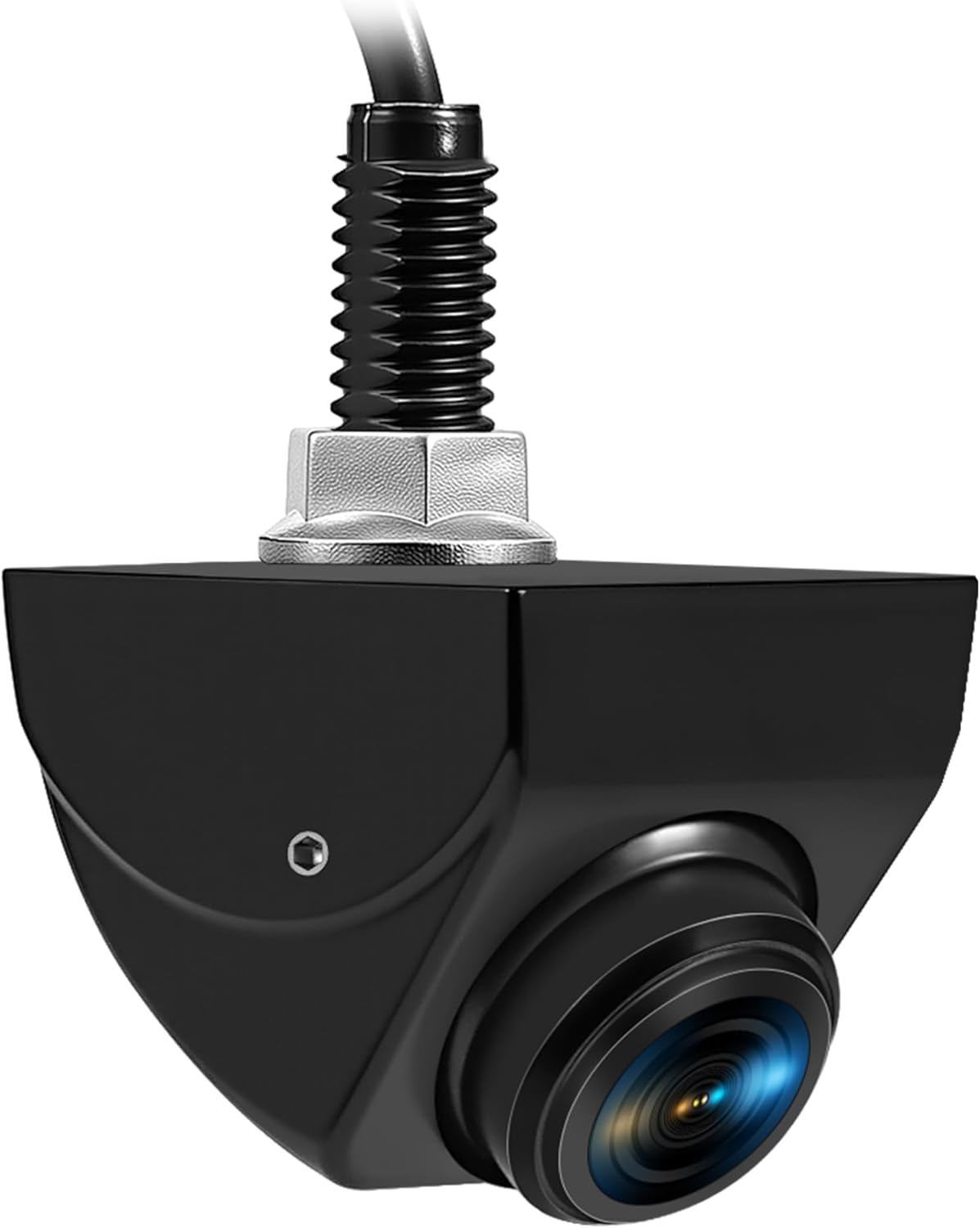
The Somcoy HG-B1 is a small metal backup camera designed to give drivers sharper reversing footage when paired with an RCA-input display that supports AHD. It switches between 720p CVBS and 1080p AHD by cutting a selector wire, and includes a 170° glass fisheye lens and F1.8 aperture to capture a wide field with improved low-light performance. The unit uses an ISP processor and noise reduction to boost color and detail at night, and its IP69K-rated metal housing plus double-shielded video cable aim to hold up to pressure washing and harsh weather. Installation is DIY-friendly: the camera comes with a mini 4-pin connector and basic mounting hardware, but you will need an RCA-capable factory or aftermarket monitor and some wiring work to get AHD output. The main compromises are the need to modify wiring to change modes and the limited guidance for vehicle-specific fitment; on a 2008–2012 Honda Accord the compact footprint and mini connector make routing and mounting straightforward, but expect to adapt the bracket and run RCA/power lines through the trunk area during install.
Best for: Drivers of 2008–2012 Honda Accord looking to upgrade reversing image clarity who prioritize the sharpest possible 1080p footage and a rugged, metal camera housing over plug-and-play simplicity.
Less Ideal for: People who need a completely plug-and-play camera with vehicle-specific mounting or who do not have an RCA-input display; also not a fit for users who want a wireless or recorder-integrated solution.
- Supports true 1080p AHD output for noticeably sharper reversing video when used with an AHD-capable RCA monitor
- 170° glass fisheye lens and F1.8 aperture capture a wide field and improve low-light detail
- IP69K-rated metal housing and double-shielded video cable increase durability against weather and car washes
- Compact size and 4-pin mini connector simplify routing through tight trunk and bumper openings
- Requires cutting selector wires to change output format or enable/remove parking guidelines which adds complexity to installation
- Only compatible with displays that accept RCA video input and will not work with non-RCA monitors or dash cams
Verdict: Use this slot for cameras that support AHD/1080P output so drivers who want noticeably sharper reversing footage and clearer obstacle detail can prioritize image quality.
4. PixelMan PMHD05A 1080p License Plate Backup Camera with Metal Housing
Best Metal-Housing Backup Camera

| Connector Type | RCA |
|---|---|
| Real Angle of View | 170 Degrees |
| Optical Sensor Technology | CMOS |
| Video Capture Resolution | 1080p |
| Voltage | 12 Volts |
The PixelMan PMHD05A is a wired license-plate backup camera built around a metal housing and a 170 degree fisheye lens to give wide rear visibility when reversing. It connects via RCA and is intended for in-car displays that support NTSC and 1080p input. In use it delivers clear daytime and effective low-light images thanks to a 1/2.7" CMOS sensor and noise reduction circuitry, and the included mini 4-pin connector and license-plate bracket make mounting tidy on the rear plate area. The metal body and Nano sealant are notable for resisting thermal cycling and moisture, and the manufacturer rates the unit IP69 for heavy-duty waterproofing. Practical caveats: the camera only works with RCA/NTSC head units and requires a display that accepts 1080p to reach full resolution, and some users report occasional early failures so careful sealing and correct grounding during installation are advisable. The long video cable helps routing, but you may need to extend or relocate the power/ground depending on your vehicle setup.
Best for: Buyers who prioritize long-term durability and water resistance in a license-plate backup camera and who plan to install it on a car with an RCA/NTSC display.
Less Ideal for: Drivers who do not have an RCA/NTSC-capable head unit or who want a wireless or mirror/dashcam-compatible solution should look elsewhere.
- Metal housing with Nano sealant offers strong resistance to water intrusion and thermal cycling
- 170 degree wide-angle fisheye lens for broad rear coverage
- 1/2.7" CMOS sensor and noise reduction provide clear daytime and improved night images
- Includes license-plate bracket and 4-pin connector for a tidy surface-mount installation
- Requires an RCA input head unit that supports NTSC and 1080p to achieve full functionality
Verdict: Select this slot for cameras with alloy or metal housings and high waterproof ratings when you want a durable unit that resists thermal cycling, vibration, and moisture over time.
5. ATOKIT License Plate Frame Backup Camera with Night Vision and 170° Wide Angle
Best License-Plate Frame Backup Camera

| Power | 12 Volts |
|---|---|
| Field of View | 170 Degrees |
| Video output | RCA CVBS |
| Video resolution | 480p |
| Ingress protection | IP67 |
This ATOKIT license-plate-frame backup camera replaces a standard plate with a low-profile frame that holds the camera and routes power and video through wired connections. It is intended to be hardwired to a 12V reverse light circuit and connected to a monitor or aftermarket head unit via an RCA video jack. The camera uses a 1/3 inch CMOS sensor, a 170 degree wide-angle lens and eight white LEDs to provide visible illumination at night rather than IR glow; parking guide lines are enabled by default and can be disabled by cutting the white wire. The frame mounts like a normal license plate so it stays tidy and keeps the camera aligned with the bumper, and the IP67 rating helps it survive rain and car washes. Expect a standard analog 480p/CVBS image that is clear in daylight but can be grainy at night; the unit requires drilling or routing of the nonremovable RCA and power plugs or cutting and splicing the leads for a cleaner pass-through. This is a practical, low-profile option if you want a simple wired frame camera, but plan the wiring and monitor compatibility before buying.
Best for: Buyers who want a tidy, plate-mounted backup camera that keeps installation visually integrated and provides a wide view for everyday reversing and parking on a 2008–2012 Honda Accord.
Less Ideal for: Drivers who need a wireless solution, steering-linked dynamic guidelines, or a high-definition digital camera should consider other styles instead.
- Low-profile license-plate-frame mount keeps camera aligned and looks tidy
- 170 degree wide-angle lens reduces rear blind spots
- IP67 waterproof rating protects the camera from rain and car washes
- Eight white LEDs provide visible night illumination and improve low-light visibility
- Simple RCA output works with most aftermarket monitors and head units
- Wired RCA and power plugs are not removable, which can require drilling or cutting and splicing to route through the vehicle
- Analog 480p (CVBS) image can be grainy compared with higher-resolution digital cameras
Verdict: Choose this slot if you prefer a license-plate-frame style camera that installs with the plate for a tidy, low-profile look and easy positioning.
6. AMAJY Backup Camera for 2008–2012 Honda Accord Sedan (Direct Replacement)
Best OEM Plug-and-Play Backup Camera

| Voltage | 12 Volts |
|---|---|
| Optical Sensor Technology | CMOS |
| Field Of View | 170 Degrees |
| Connector Type | RCA |
| Lux rating | 0.1 |
This AMAJY backup camera is built as a plug-and-play replacement for the 2008–2012 Honda Accord sedan, matching the listed part numbers so it connects to the factory video harness without extra wiring. It uses a 1/4-inch CMOS sensor, a fixed wide-angle lens with a 170 degree field of view, and outputs standard RCA video (NTSC/PAL) at roughly 600 TV lines, which gives usable detail for backing maneuvers and parking. The unit is surface mount and rated IP68 for water resistance, so it is suitable for rear bumper mounting and wet conditions. Installation is straightforward for DIYers who already have a factory camera harness; the low-light sensitivity (0.1 lux) helps in dim conditions though image clarity is typical for a 600-line aftermarket camera rather than a high-definition unit. Because it is an aftermarket direct-replacement, confirm the part number and existing harness before buying to avoid fitment or connector differences. Expect a simple swap that restores factory-style functionality without custom wiring when the part numbers match.
Best for: Buyers who want a factory-style, plug-and-play replacement camera that minimizes wiring and lets them restore original backup-camera function quickly and with minimal modification.
Less Ideal for: Drivers seeking high-definition or upgraded camera features such as digital video output, parking guidelines, or multi-camera systems should look at modern aftermarket HD units instead.
- Made to match OEM part numbers for a direct plug-in replacement to the factory harness
- Wide 170 degree field of view for good rear coverage
- IP68 water resistance suitable for bumper mounting in wet conditions
- Surface-mount design intended for straightforward DIY installation
- Video output is standard RCA at 600 TV lines so image resolution is lower than modern HD cameras
Verdict: This slot is for OEM-style or direct-replacement cameras designed to plug into factory harnesses or match OE mounting dimensions to minimize wiring and simplify DIY swaps.
7. YuYue Electronic CCD Rear View Backup Camera (170° Wide Angle)
Best Compact CCD Night‑Vision Backup Camera

| Optical Sensor Technology | CCD |
|---|---|
| Field Of View | 170 Degrees |
| Voltage | 12 Volts |
| Lux rating | 0.1 Lux |
| Waterproof Class | IP68 |
This compact CCD backup camera uses a 1/4" color CCD sensor and a 170 degree wide-angle lens to deliver a clear, wide rear view for parking and reversing. It is typically surface-mounted in a license-plate recess or handle area and connects to a monitor via an RCA video cable while drawing 12 volts from the vehicle. Notable features include CCD imaging for better low-light sensitivity, a listed minimum illumination below 0.1 lux for night vision, and an IP67–IP68 waterproof rating that keeps the unit reliable in wet conditions. The 520 TV-line resolution and 728×512 effective pixels produce more detail than many basic CMOS units, which helps when judging distances in low light. Installation is straightforward for anyone comfortable routing a power and video cable, but the camera requires a compatible monitor with RCA input and does not include vehicle-specific mounting hardware beyond a surface mount. Buyers should also confirm fitment for the 2008–2012 Accord mounting area to ensure a clean installation without trimming or extra brackets.
Best for: Buyers who prioritize night-time visibility and a low-profile camera that fits tight license-plate or handle recesses on a 2008–2012 Accord and want a clearer image than basic CMOS alternatives.
Less Ideal for: Drivers who need a wireless camera, an integrated OEM-style plug-and-play harness, or a camera matched to a different vehicle family should consider other options.
- CCD sensor delivers superior low-light sensitivity compared with typical CMOS modules
- 170 degree wide-angle lens for broad rear coverage and easier parking
- IP67–IP68 waterproof rating suitable for all-weather use
- Includes power and 5.5 m video cable for straightforward wired installation
- Requires an RCA-input monitor and a 12 V power source so no wireless or plug-and-play integration is provided
- Surface-mount design may need adapters or trimming for a truly flush factory look
Verdict: Pick this slot for compact CCD-based cameras focused on superior low-light/night performance and a small footprint for discreet mounting in tight license-plate or handle recesses.
Choosing the Right 2008-2012 Honda Accord Backup Camera: Key Factors to Consider
Image Quality and Low-Light Performance
A camera's resolution and sensor type determine how much useful detail you see when reversing. Higher-resolution sensors provide a clearer picture for identifying low obstacles and small curbs, which is important when maneuvering the relatively low rear bumper of the Accord.
Low-light sensitivity and built-in night-vision illumination matter because many reversing incidents occur in dim conditions. Look for cameras with a wide dynamic range or infrared assist to reduce glare from headlights and retain detail in shadowed areas.
Mounting Style and Fitment
How the camera mounts affects both aesthetics and ease of installation. Common mounting methods for the Accord include license-plate frame mounts, surface-mount housings that sit on the bumper lip, and recessed mounts if you plan to modify the bumper. Each has tradeoffs for water exposure and alignment with the vehicle's reverse sightline.
Choose a mount that aligns with the Accord's rear contours and your tolerance for visible hardware. A license plate backup camera can be the cleanest option for non-invasive installs, while a surface or recessed mount may offer better sightlines if positioned correctly.
Wired Vs Wireless Connectivity
Wired connections deliver a stable, low-latency video feed that integrates reliably with factory or aftermarket displays. They are often preferred for permanent installs on passenger cars like the Accord because they avoid interference and signal dropouts.
Wireless backup camera options simplify installation by avoiding long video runs but can be susceptible to interference from other electronics and may need a dedicated power source. For daily drivers that require consistent performance during parking lots and tight spaces, weigh the convenience of wireless against potential signal reliability issues.
Compatibility With Monitors and Head Units
Different cameras output video in NTSC/PAL analog, composite, or digital formats. Verify that the video output matches your existing in-dash or aftermarket monitor inputs. Some Accord owners use a standalone monitor or mirror-integrated display, while others integrate with head units that accept a rear camera input.
Check trigger wire requirements and whether the camera includes a trigger lead or needs an external relay. Compatibility reduces installation time and avoids extra adapters that complicate the wiring harness behind the rear bumper.
Durability and Weather Resistance
A backup camera on the rear of the Accord is exposed to water, road salt, and debris. Look for an IP rating and corrosion-resistant housings to ensure long-term reliability. Good sealing extends the service life and reduces the chance of intermittent faults caused by moisture.
Also consider build materials and connector quality. Gold-plated or well-sealed connectors resist corrosion better than basic exposed plugs, making them preferable for vehicles driven year-round in varied climates.
Guidelines, Field of View, and Parking Lines
Field of view affects how much of the area behind the Accord you can see. Wide-angle lenses cover more area but can introduce distortion that makes judging distances harder. Narrower lenses reduce distortion but limit side coverage near the bumper.
Some systems provide on-screen parking lines or adjustable guide overlays. Those aids help align trailers or park in tight spaces, but verify whether the lines are fixed or calibratable. For accurate distance judgment, choose a camera with an appropriate field of view for the vehicle's rear geometry and an option to enable or disable guidelines as needed.
Common Installation Paths for the 2008-2012 Accord
Installing a backup camera on this generation of Accord typically follows one of a few standard routes depending on your tolerance for trim removal and wiring complexity. License-plate mounted units require minimal bodywork and only modest trunk access to run power and video cables, making them popular for DIY installs. Surface-mount housings attach to the bumper or rear valance and usually need a small hole or adhesive pad, offering a more centered view but slightly more invasive installation.
If you plan to integrate video into an existing head unit, identify the head unit's reverse trigger wire and video-in connector before starting. For standalone monitors, plan a discreet power tap and run the camera cable along the factory harness to avoid pinched wires. Professional installation is an efficient option if you want concealed wiring and a factory-like finish.
- License-plate mount: least invasive, easier wiring access via trunk.
- Surface/recessed mount: better sightline, may require minor trim or hole placement.
- Integration tip: follow factory harness runs to minimize drilling and preserve weather seals.
Wiring Tips and Avoiding Common Pitfalls
Run video and power leads along factory rubber grommets to prevent chafing and water ingress. When routing cable through the trunk area, keep video cables separate from high-current lines to reduce electrical noise. Use grommets or silicone sealant at any new penetration points to maintain the trunk's weatherproofing.
Test the camera feed and reverse trigger operation before reassembling trim panels. If using a wireless transmitter, verify signal strength in the installed position and check for interference while the vehicle is running to ensure reliable operation.
- Secure cables with zip ties and adhesive mounts to prevent rattle.
- Label connections during disassembly so you can reconnect easily.
- Verify ground points are clean metal surfaces for a stable power reference.
Optimizing Camera Placement for Best View
Aim the camera so the lower part of the frame shows the very edge of the rear bumper. That reference helps you judge curb clearance and how close you are to obstacles. Avoid angling the camera excessively downward; too steep an angle reduces your field of view behind the car.
If you choose a license-plate mount, center it horizontally and confirm the camera is not blocked by the plate mounting hardware. For surface mounts, use a small test mount with temporary tape to verify the sightline before drilling or permanently adhering the unit.
- Test with a spotter to fine-tune angle and height.
- Ensure the camera lens is not obstructed by trunk hardware or spoilers.
- Clean the lens regularly to prevent image degradation from dirt or salt.
Legal and Safety Considerations
While backup cameras improve rear visibility, they do not replace safe reversing practices. Always check mirrors and look over your shoulder when reversing, especially in crowded areas where pedestrians or low obstacles might not be visible.
Confirm local laws regarding aftermarket camera installations, especially if you are modifying rear lighting or license plate illumination. Some jurisdictions have requirements for how license plates must be lit, and altering those circuits could create compliance issues.
- Do not rely solely on camera image for situational awareness.
- Keep license plate light wiring intact if using a plate-mounted camera.
- Follow vehicle wiring best practices to avoid unintended electrical issues.
Still looking for the perfect fit?
Select your Honda Accord configuration to see the most relevant Backup Cameras recommendations
How We Chose the Best 2008-2012 Honda Accord Backup Camera
We focused on real-world fitment and usability for the 2008-2012 Honda Accord chassis, prioritizing factors that matter most to owners retrofitting a camera to this generation. Our evaluation weighed image quality under low-light and daytime conditions, mounting options that integrate with the Accord's rear bumper and license plate area, and installation complexity given common factory head unit and wiring layouts. We also considered waterproofing and durability for exposure to road spray, plus video output options that match common aftermarket monitors and in-dash inputs.Excluded items included cameras intended solely for heavy commercial vehicles or systems requiring extensive fabrication beyond typical DIY or professional installs. We favored units with clear technical specs and accessible wiring diagrams, and we skipped products lacking those details. The resulting list reflects a balance of optics, weather resistance, compatibility with typical Accord wire runs, and installation friendliness for both DIYers and installers.
Our full evaluation process is outlined in our review methodology.
FAQ
Will a backup camera fit my 2008-2012 Honda Accord without cutting the bumper?
Many cameras use a license-plate mount that requires no bumper cutting and only a small access point in the trunk for wiring. Surface or recessed mounts can require small holes or trim removal, so choose the mount type based on how invasive you want the install to be.
Can I connect a new camera to my Accord's factory stereo screen?
If your factory head unit has a rear camera input, you can route the camera video to that input and connect the reverse trigger wire. If the head unit lacks a video-in, you will need an aftermarket monitor or an interface adapter compatible with your specific head unit.
Is a wireless backup camera reliable for daily use on an Accord?
Wireless systems offer easier installs but can face interference from other electronics. For daily, predictable performance, a wired connection is generally more reliable, though good wireless kits may work well in many situations if signal path and power are correct.
Do backup cameras require professional calibration after installation?
Most basic cameras do not need formal calibration, but you should adjust the angle and verify any on-screen guidelines. Some advanced systems with configurable overlays allow calibration for more accurate distance cues, which may be handled by the installer or according to the product instructions.
How do I keep the camera lens clear during bad weather?
Use periodic cleaning and consider hydrophobic lens coatings or small rubber shields to reduce water beading on the lens. Parking the car under cover when possible and wiping the lens after heavy road spray will maintain the clearest image.
Will installing a camera affect my Accord's electrical system?
Correctly installed cameras draw minimal current but improper connections can cause issues. Use fused power taps and good ground points, and avoid tapping into circuits that control key lighting or safety systems to prevent electrical faults.
Final Verdict
When choosing a backup camera for a 2008-2012 Honda Accord, prioritize a clear image, reliable connectivity, and a mounting style that fits your tolerance for trim work. Balance a wide enough field of view for practical coverage with optics that preserve distance judgment, and prefer durable, weather-resistant hardware for long-term use.Decide whether you want the simplicity of a license-plate mount, the sightline advantage of a surface mount, or the permanence of a recessed install, and match the camera output to your monitor or head unit. With those priorities in mind, you can confidently pick a system that improves safety and makes parking easier in everyday driving.
Explore More:
- Check out all Honda Accord parts & accessories
- Explore Electronics
- Browse all Accessories
