

Note: This article contains affiliate links. If you click on these links and make a purchase, I may earn a small commission at no extra cost to you. This helps support my research and content. Read my full affiliate disclosure here.
If you own a Ford Ranger and plan to tow regularly, choosing the right trailer hitch matters for safety, load control, and long-term reliability. The wrong hitch can create handling issues, reduce payload margin, or complicate installation. This guide presents seven shortlisted Ford Ranger trailer hitches that meet common towing needs, with attention to fitment, build quality, and load capacity. We evaluated options across mounting style, receiver size, and compatibility with common towing accessories. Read on to understand which features matter most and which hitch type matches your towing use case.
Looking for other parts? See all Ford Ranger parts & accessories.
Top Picks at a Glance
| Best Overall The best all-around choice for most situations | Draw-Tite 76583 Class 4 Trailer Hitch, 2" Receiver for 2019-2023 Ford Ranger |  |
| Best Quality Built to a higher standard if you want something more solid | CURT Class 3 Trailer Hitch 2-Inch Receiver (Fits Select Ford Ranger) |  |
| Best Value The sweet spot between price and what you get | ECOTRIC 2" Class 3 Trailer Hitch Receiver for Ford Ranger / Mazda B-Series |  |
| Best Budget The cheapest option that still gets the job done reliably | Off Roader 2-Inch Class 3 Trailer Hitch Receiver for Ford Ranger (bolt-on) |  |
| Highest Rated A top-rated pick with lots of positive feedback | CURT Class 3 Trailer Hitch 2-Inch Receiver for Select Ford Ranger |  |
| Most Popular A crowd favorite that many people choose with confidence | Reese Towpower Class 3 Multi-Fit 2" Trailer Hitch Receiver (Model 37042) |  |
| Best Seller A high-volume bestseller chosen again and again | KUAFU 2-Inch Class 3 Trailer Hitch Receiver for 1983–2011 Ford Ranger |  |
Draw-Tite 76583 Class 4 Trailer Hitch, 2" Receiver for 2019-2023 Ford Ranger

| Maximum Towing Capacity | 7500 Pounds |
|---|---|
| Material Type | Alloy Steel |
| Finish Type | Powder Coated |
| Automotive Fit Type | Vehicle Specific Fit |
The Draw-Tite 76583 is a vehicle-specific Class 4 receiver built to restore full towing capability to 2019–2023 Ford Ranger trucks. It bolts to the Ranger frame and provides a 2-inch square receiver for common accessories like bike racks, cargo carriers, and conventional trailers. Notable features include all-welded alloy steel construction, a two-stage black powder coat to resist corrosion, and engineering and testing to meet V-5 and SAE J684 standards. In use it performs like a factory-quality replacement: many owners report straightforward bolt-on installation with basic hand tools and an extra set of hands, and the hitch accepts weight-distribution setups when needed. Practical benefits are strong rated capacity for trailers up to 7,500 lb GTW and compatibility with common 2-inch accessories. Limitations include the hitch's weight and the occasional fitment or shipping mismatch reported by some buyers, so confirm the vehicle application before installation and plan for a two-person install for easier handling.
Best for: Buyers seeking a balanced, reliable factory-quality trailer hitch that restores full towing capability to a 2019–2023 Ford Ranger and prioritizes strength and everyday versatility.
Less Ideal for: Drivers who need an extremely lightweight, temporary towing solution or who plan to use the hitch on vehicles outside the 2019–2023 Ford Ranger fitment should look elsewhere.
- Vehicle-specific design for a direct bolt-on fit to 2019–2023 Ford Ranger
- High rated capacity up to 7,500 lb GTW and support for weight-distribution systems
- Solid all-welded alloy steel construction with powder-coat corrosion resistance
- 2-inch receiver accepts common accessories and aftermarket hitch gear
- Heavy unit that is easier to install with two people or mechanical assistance
- A few reports of incorrect items being shipped or fitment issues from isolated listings
Verdict: A heavy-duty, vehicle-specific Class 4 hitch that gives 2019–2023 Ford Rangers factory-quality towing capacity and broad accessory compatibility.
CURT Class 3 Trailer Hitch 2-Inch Receiver (Fits Select Ford Ranger)
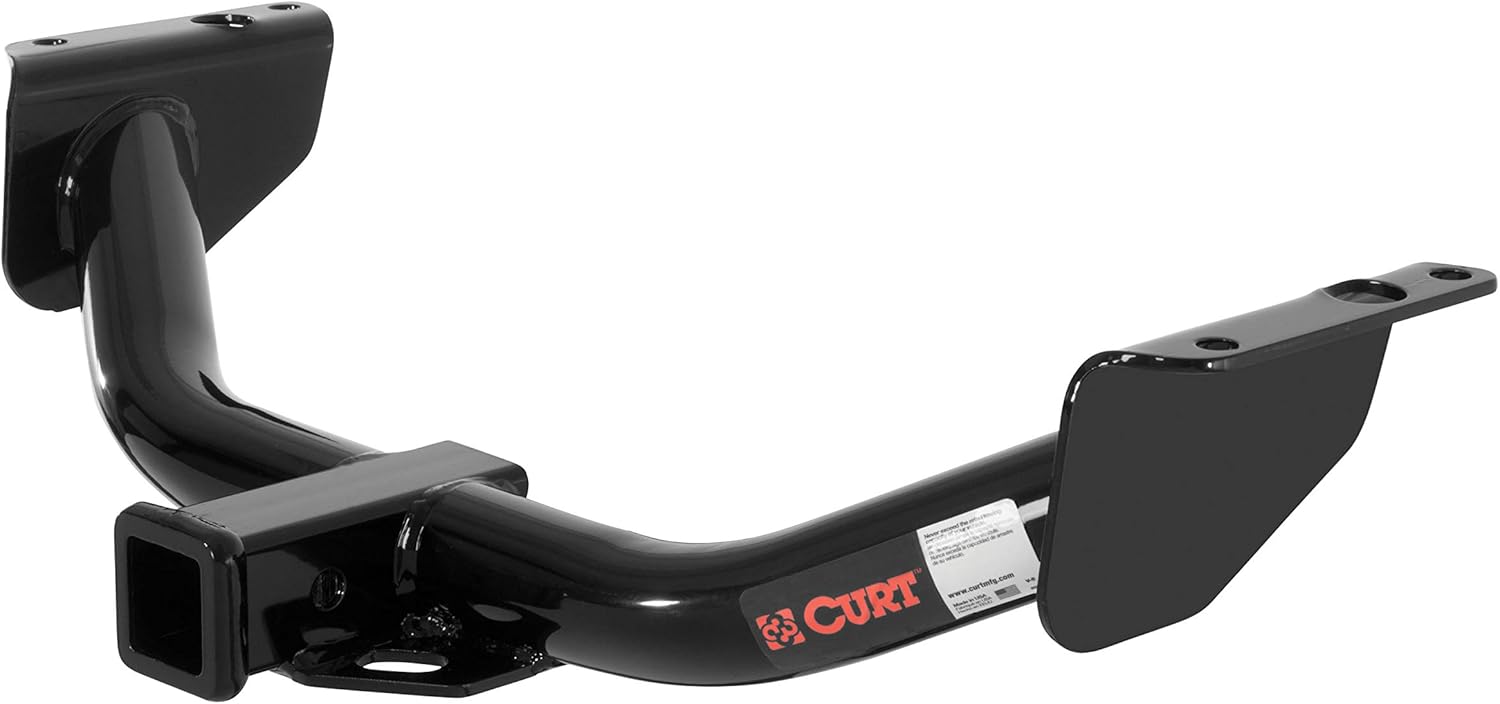
| Receiver tube size | 2-inch x 2-inch |
|---|---|
| Gross trailer weight | 4,000 lbs |
| Tongue weight | 400 lbs |
| Finish type | Co-cured liquid undercoat and black powder coat |
This CURT Class 3 hitch gives a Ford Ranger a factory-quality 2-inch receiver ready for everyday towing tasks. It bolts to the Ranger frame with vehicle-specific mounting points and includes the hardware and shims needed for a secure fit. In use it supports a 4,000 lb gross trailer weight and 400 lb tongue weight, and it is rated for higher capacity when used with a compatible weight-distribution setup. Notable features include heavy carbon steel construction, precision welding, and a co-cured liquid undercoat plus black powder coat that resists rust, chipping and UV exposure. Install is straightforward on most Rangers and typically requires only basic hand tools, though some owners may need to lower the spare or remove bumper fasteners; a few model-year frames require drilling if forward holes are missing. The hitch is built and tested to SAE J684 standards, which gives confidence for performance-oriented towing, but it is a vehicle-specific fit so confirm year compatibility before ordering.
Best for: Performance-oriented Ranger owners who prioritize a high-strength, factory-style hitch that supports regular towing and heavier loads with confidence.
Less Ideal for: Buyers who need a universal hitch or a solution for multiple vehicle types should consider alternatives designed for cross-vehicle compatibility.
- Vehicle-specific design for a precise fit on select Ford Ranger years
- Rated 4,000 lb GTW and 400 lb tongue weight with weight-distribution compatibility for higher towing capacity
- Durable dual-layer finish (co-cured liquid undercoat plus powder coat) for corrosion and chip resistance
- Rugged carbon steel construction with precision welding and factory-quality hardware for secure mounting
- May require lowering the spare or removing bumper fasteners for installation on some Ranger model years
- Some older Ranger frames may need drilling if factory forward holes are absent
Verdict: A rugged, factory-quality Class 3 hitch that brings reliable, performance-focused towing capability to select Ford Rangers.
ECOTRIC 2" Class 3 Trailer Hitch Receiver for Ford Ranger / Mazda B-Series

| Pull Force | 4000 Pounds |
|---|---|
| Maximum Towing Capacity | 4000 Pounds |
| Material | Alloy Steel |
| Finish Type | Powder Coated |
| Receiver Size | 2 inch |
This ECOTRIC Class 3 trailer hitch is a bolt-on 2-inch receiver designed to fit certain Ford Ranger and Mazda B-series trucks and to provide a solid, economical towing option. Constructed from high-strength alloy steel with a powder-coated finish, it is intended to accept standard 2" accessories and handle up to 4,000 pounds of gross trailer weight with a 400 lb tongue rating. Installation is straightforward for a mechanically competent DIYer since the hitch mounts to the frame with supplied hardware without welding or drilling. The package includes mounting hardware and instructions but excludes the hitch pin, ball, and trailer wiring, so plan to source those separately. Practical benefits include broad accessory compatibility and corrosion protection from the powder coat. Reported fitment problems on some model years mean careful verification of year and frame mounting points before purchase, and buyers who need integrated wiring or heavier tongue ratings should look elsewhere.
Best for: Practical optimizers who want a low-cost, factory-replacement style hitch that balances strength and ease of installation for routine towing tasks on a Ford Ranger-focused build.
Less Ideal for: Buyers who need integrated wiring, exact-fit guarantees across all model years, or towing above the listed capacity should consider higher-end or vehicle-specific dealer options.
- Vehicle-specific bolt-on design that installs without welding or drilling
- Class 3 2" receiver fits common hitches and cargo accessories
- Constructed from high-strength steel with powder-coated finish for durability and rust resistance
- Rated 4,000 lb gross towing capacity for typical light towing needs
- Some buyers reported fitment issues on specific model years which may require verification or minor modification
- Does not include hitch pin, ball mount, or trailer wiring harness
Verdict: A budget-friendly, bolt-on Class 3 hitch that gives Ford Ranger and compatible Mazda B-series owners a durable 2" receiver and 4,000 lb towing capacity without welding or complex installation.
Off Roader 2-Inch Class 3 Trailer Hitch Receiver for Ford Ranger (bolt-on)

| Compatible with Vehicle Type | Truck |
|---|---|
| Pull Force | 4000 Pounds |
| Maximum Towing Capacity | 4000 Pounds |
| Material Type | Carbon Steel |
| Finish Type | Powder Coated |
This Off Roader 2-inch Class 3 hitch is a budget-friendly, vehicle-specific receiver made to bolt onto Ford Ranger frames from older model years. It is fabricated from carbon steel with a multi-layer powder coat and is SAE J684 tested, so it gives a practical towing solution for light trailers and cargo carriers. The kit ships with mounting hardware, DIY instructions, and a weather-tight hitch cover to simplify installation and protect the receiver when not in use. For buyers who want a straightforward factory-style replacement without extra fabrication, the bolt-on design and included hardware mean most owners can install it at home with common tools. Limitations include its 4,000 pound maximum towing rating, which is suitable for light towing but not for heavy fifth-wheel or large payload work, and the finish and hardware reflect its value-oriented positioning rather than premium-grade components.
Best for: Budget-conscious Ford Ranger owners who prioritize a low-cost, factory-style bolt-on hitch for occasional towing and light trailers.
Less Ideal for: Owners who need high-capacity towing for heavy trailers, commercial loads, or fifth-wheel setups should choose a higher-rated hitch or professional-grade option.
- Vehicle-specific bolt-on fit for Ford Ranger to avoid major modifications
- SAE J684-tested design with a 2-inch Class 3 receiver for common towing tasks
- Includes mounting hardware, instructions, and a weather-tight hitch cover for DIY install
- Carbon steel construction with powder-coat finish for basic corrosion resistance
- 4,000 pound maximum towing capacity limits heavier towing needs
Verdict: A cost-effective, vehicle-specific 2-inch Class 3 hitch that gives Ford Ranger owners an easy bolt-on solution for everyday light towing.
CURT Class 3 Trailer Hitch 2-Inch Receiver for Select Ford Ranger

| Maximum Towing Capacity | 6000 Pounds |
|---|---|
| Tongue Weight | 900 Pounds |
| Receiver Tube Size | 2 inches |
| Material | Carbon Steel |
| Finish Type | Powder Coated with liquid A-coat |
This CURT Class 3 trailer hitch is a custom-fit rear receiver engineered for select Ford Ranger years and rated to tow up to 6,000 pounds GTW with 900 pounds tongue weight. It installs using existing factory mounting points and is typically used to attach utility trailers, boat trailers, campers and hitch-mounted accessories that use a 2-inch receiver. Notable features include a vehicle-specific design for a precise fit, a dual-coat corrosion-resistant finish that combines liquid A-coat and powder coat, and construction from high-strength carbon steel with precise welding. In practice the hitch offers a clean fitment with minimal adjustment, accepts weight-distribution systems for level towing up to 8,000 lbs WD, and keeps the receiver protected from rust and chipping in regular use. Limitations are that fitment is restricted to the Ranger years listed in the application details so verification is required before purchase and vertical-hanging bike racks that require hanging bikes may not be compatible with this receiver style.
Best for: Reliability-focused buyers who prioritize a factory-style, tested hitch that integrates cleanly with a Ranger and minimizes long-term corrosion or fitment concerns.
Less Ideal for: Shoppers who need a universal or multi-vehicle hitch solution or those who require a different receiver size or mounting orientation than a standard 2-inch rear receiver.
- Vehicle-specific design for a precise, bolt-on fit to select Ford Ranger model years
- Rated 6,000 lb gross trailer weight and compatible with weight-distribution systems up to 8,000 lb WD
- Durable dual-coat finish (liquid A-coat plus powder coat) for strong rust and chip resistance
- Heavy-gauge carbon steel construction with precise welding for towing strength
- Compatibility limited to the Ford Ranger model years listed in the application details, so it is not universal
Verdict: A heavy-duty, vehicle-specific Class 3 hitch that delivers reliable, factory-quality towing performance for select Ford Ranger owners.
Reese Towpower Class 3 Multi-Fit 2" Trailer Hitch Receiver (Model 37042)

| Maximum Towing Capacity | 500 Pounds |
|---|---|
| Automotive Fit Type | Vehicle Specific Fit |
| Material | Metal |
| Finish Type | Powder Coated |
This Reese Towpower Class 3 hitch is a multi-fit 2-inch receiver built for heavy use on compatible vehicles and designed to accept cargo carriers, bike racks, and Class 3 towing accessories. For Ford Ranger owners it installs as a frame-mounted solution that provides a sturdy attachment point for rear-mounted accessories and light towing tasks up to the stated capacity. Notable features include all-welded steel construction, METALSHIELD protective e-coat plus powder coat finish for corrosion resistance, and computer-aided design and testing to meet V-5 and SAE J684 standards. The kit is vehicle-specific in fit but requires some mechanical skill for alignment and occasional drilling depending on model year and bumper configuration. Hardware tolerances can be tight and installation can be heavy and fiddly, so a second person or a jack is helpful during fitment. Once installed the hitch offers a durable, factory-quality mounting point, but expect a hands-on install and verify exact Ford Ranger model-year compatibility before beginning work.
Best for: Convenience-driven buyers who want a durable, factory-quality receiver on their Ford Ranger to quickly add racks or light towing capability without buying a vehicle-specific factory unit.
Less Ideal for: Drivers who prefer plug-and-play, no-drill installs or who do not want to do any mechanical work should consider a dealer-installed option or a professional installer.
- Solid all-welded steel construction for reliable load support
- Powder coat with e-coat METALSHIELD finish for improved rust resistance
- Designed and tested to meet V-5 and SAE J684 strength standards
- 2-inch receiver fits common Class 3 accessories like cargo carriers and bike racks
- Installation can be heavy and may require drilling or custom alignment on some Ranger model years
- Hardware tolerances in the kit can be inconsistent, requiring extra fitting or replacement fasteners
Verdict: A robust, tested Class 3 hitch that gives Ford Ranger owners a reliable 2-inch receiver for racks and light towing if you are prepared for a hands-on installation.
KUAFU 2-Inch Class 3 Trailer Hitch Receiver for 1983–2011 Ford Ranger

| Hitch Class | Class 3 |
|---|---|
| Receiver Size | 2 inch |
| Maximum Towing Capacity | 4000 Pounds |
| Tongue Weight | 400 lbs |
| Material | Alloy Steel |
This KUAFU Class 3 hitch is a bolt-on, vehicle-specific receiver made for 1983–2011 Ford Ranger models that provides a 2-inch opening for common ball mounts, cargo racks, and bike carriers. Constructed from alloy steel with a black powder-coat finish and an all-welded frame, it is intended for regular towing tasks up to 4,000 lb and 400 lb tongue load. Installation is straightforward for someone comfortable with basic hand tools and a torque wrench since it uses existing frame mounting points or requires drilling where factory holes are absent. The powder coat helps resist rust and keeps the hitch looking factory-installed, and included installation instructions simplify the process. Buyers should note pins, clips, ball mounts, and wiring are not included, and some users report mixed hardware or minor fitment adjustments like reaming misaligned pin holes. For owners who need a reliable, budget-friendly receiver for light trailers, this hitch delivers functional towing capacity with a practical finish, while those wanting perfect factory fitment or premium hardware may prefer higher-end branded alternatives.
Best for: Risk-averse mainstream buyers who prioritize a straightforward, vehicle-specific replacement hitch for everyday towing on a Ford Ranger and value a durable, factory-like finish.
Less Ideal for: Buyers seeking premium-fit, factory-caliber hardware or a complete towing kit with wiring and accessories should consider higher-end branded options or bundled kits.
- Vehicle-specific fitment for 1983–2011 Ford Ranger simplifies installation and alignment
- Class 3, 2-inch receiver supports up to 4,000 lb towing and 400 lb tongue weight
- Alloy steel construction with black powder-coat finish resists rust and adds durability
- Bolt-on design requires no welding and includes an installation guide
- Pins, clips, ball mount, and wiring are not included
- Some buyers reported mixed hardware or slight hole misalignment requiring drilling or adjustment
Verdict: A durable, vehicle-specific Class 3 2-inch receiver that gives Ford Ranger owners a practical, bolt-on towing solution rated for 4,000 lb.
Choosing the Right Ford Ranger Trailer Hitch: Key Factors to Consider
Receiver Size and Class
Receiver size and class determine what hitch-mounted accessories you can use and the maximum loads the hitch is rated to handle. A 2-inch receiver is the most common mid-size option and fits many ball mounts and cargo carriers, while a Class III rating generally supports higher gross towing and tongue weights suitable for common Ranger towing tasks.
Choosing the right combination ensures compatibility with existing towing gear and avoids overstressing attachment points. Always match the accessory shank size to the receiver and confirm the hitch class aligns with your vehicle's towing capacity to maintain safe margin.
Gross Towing and Tongue Weight Ratings
The hitch's gross towing capacity and tongue weight rating set the safe upper limits for trailers and tongue loads. These figures influence which trailers you can tow and how much cargo or gear you can carry on a rear-mounted platform.
Selecting a hitch with adequate rated capacity helps prevent overloading the vehicle's chassis and keeps handling predictable. Factor in trailer weight plus cargo, and preserve a safety buffer rather than choosing a hitch rated exactly at your maximum expected load.
Mounting Method and Fitment
How the hitch mounts to the Ranger affects strength, alignment, and installation complexity. Bolt-on frame mounts that use existing factory holes typically offer straightforward installation and secure attachment, while designs that require drilling or bumper removal increase time and skill needed.
Accurate fitment prevents misalignment of the receiver, which can cause binding or unusual wear on hitch components. Verify the mounting method and whether additional reinforcement or brackets are necessary for your specific Ranger model year.
Material, Finish, and Corrosion Protection
Hitch materials and finishes influence long-term durability, especially in regions with road salt or heavy moisture. High-strength steel is standard for structural integrity, but the coating or finish—such as powder coat or specialty plating—helps resist rust and abrasion.
A robust finish reduces maintenance and extends service life. Consider whether replacement hardware and touch-up materials are readily available for the chosen finish to keep the hitch in good condition over time.
Ground Clearance and Rear Departure Angle
The hitch's design can change rear ground clearance and the vehicle's departure angle, which matters if you drive on steep ramps, unpaved roads, or over obstacles. Low-hanging receivers or bulky cross-tubes may reduce clearance and increase the risk of contact during off-highway maneuvers.
Assess how the hitch geometry interacts with your Ranger's rear bumper and any existing aftermarket components. Choose a design that balances receiver accessibility with minimal impact on clearance for your typical driving environment.
Installation Requirements and Serviceability
Installation complexity affects how quickly you can get the hitch in service and whether you can perform the installation yourself. Some hitches are engineered for bolt-on installation using common tools, while others may need specialized tools or professional installation.
Consider how easy it is to access mounting points, whether wiring or hitch accessories will require additional routing, and how straightforward it is to replace wear items like pins, clips, or anti-rattle devices. A design that is easy to service reduces downtime and long-term ownership friction.
Common Towing and Hauling Scenarios for the Ford Ranger
Before choosing a Ford Ranger trailer hitch, think about how you will actually use it. Many Ranger owners tow small utility trailers, boat trailers, and campers, or carry bike racks and cargo carriers. Each use case places different demands on the hitch and the vehicle, and that influences the type of receiver, mounting location, and any needed accessories.
For light work such as bike racks and cargo carriers you can prioritize ease of access and a low-profile design. For frequent towing of trailers or boats plan for accessories that improve stability and load distribution.
- Urban errands and carriers: prioritize short drop or low-clearance receivers for better rear departure angle
- Weekend towing: consider a hitch and accessories that support trailer sway control and weight distribution
- Recreational boats and campers: plan for wiring and braking systems in addition to the hitch itself
Receiver Compatibility and Popular Receiver Options for the Ranger
The most common trailer hitch receiver configurations used on the Ranger accommodate widely available accessories and towing hardware. If you plan to use cargo carriers, bike racks, or standard ball mounts, confirm the receiver opening and the type of pin and clip you will need. Many Ranger owners opt for a 2 inch hitch receiver for a balance of versatility and capacity.
When reviewing options, pay attention to how the receiver integrates with the truck frame and bumper. A well-integrated receiver offers cleaner ground clearance and a more secure mounting surface for accessories.
- Trailer hitch receiver size: choose the receiver opening that matches your intended accessories
- 2 inch hitch receiver: common choice for general towing and accessory use
- Consider receivers that accept common anti-rattle inserts to reduce noise and movement
DIY Install Versus Professional Installation
Deciding whether to install trailer hardware yourself or hire a professional depends on your mechanical skill, tools, and comfort level. Simple bolt-on hitches can be installed in a garage with basic hand tools, while weld-on or frame-modifying installations are best left to a shop.
Factor in the time, tools, and any required suspension or wiring upgrades. If you are comparing quotes, ask whether the installer includes torqueing fasteners to spec, thread-locking where appropriate, and wiring integration with the Ranger's electrical system.
- install trailer hitch at home: typically requires sockets, torque wrench, jack stands, and good instructions
- Professional install advantages: proper torque, warranty coverage from the installer, and faster electrical hookups
- hitch installation cost varies by region and complexity, so get several quotes before committing
Trailer Wiring, Braking, and Electrical Considerations
Towing safely with a Ranger involves more than a sturdy hitch. Electrical connections for lights, turn signals, and electric brakes are essential. Determine whether you need a simple 4-pin harness for lights or a 7-pin connector to support brake controllers and auxiliary power.
If your trailer uses electric brakes, a compatible brake controller is required and should be installed and tuned for your typical load. Verify that the Ranger's electrical system can accommodate any supplemental power needs and that connectors are mounted to avoid damage from road debris.
- 4-pin: basic lighting for small trailers
- 7-pin: supports brake controllers, reverse lights, and auxiliary power
- Brake controller: select one that allows easy tuning for changing trailer loads
Hitch Accessories That Improve Utility and Safety
Accessories extend the usefulness of a Ford Ranger trailer hitch and can improve stability and convenience. Consider anti-rattle devices, hitch locks for security, and drop or rise shanks if you need to match trailer height. For heavier towing, weight-distributing hitches and sway-control attachments help maintain stable handling.
Other useful additions include cargo carriers designed for the Ranger's receiver, electrical harness brackets, and recovery points when off-roading or working on uneven terrain. Match accessories to the receiver opening and confirm any load limits imposed by the accessory itself.
- hitch accessories to consider: anti-rattle, hitch lock, ball mounts, and cargo carriers
- Use weight-distributing components for trailers near the Ranger's towing limits
- Secure wiring and connectors with proper strain relief to avoid damage
Inspection, Maintenance, and Documenting Capacity
Regular inspection and maintenance keep a Ranger hitch safe and serviceable. Check fasteners for proper torque, examine welds and bolts for corrosion or fatigue, and inspect the receiver opening and shank for deformation. Clean and lubricate moving parts and apply corrosion-inhibiting coatings as needed.
Always confirm the trailer hitch weight rating that is stamped on the hitch and cross-check it with your Ford Ranger's towing and tongue weight capacities. Keep records of purchases, installation dates, and any professional work performed so you can track service intervals and maintain resale documentation.
- Inspect hitch hardware after heavy use or exposure to corrosive environments
- Record trailer hitch weight rating and compare it with the vehicle's specifications before towing
- Replace worn or bent components promptly rather than attempting field repairs
How We Chose the Best Ford Ranger Trailer Hitch
To assemble this list we applied vehicle-specific fitment checks and focused on attributes that directly impact towing performance and safety for the Ford Ranger. Our primary filters included verified compatibility with the Ranger frame or bumper, standardized receiver sizes and classes commonly used on this vehicle, and manufacturer-stated gross towing and tongue weight capacities that match typical Ranger use. We also considered material construction and corrosion protection, mounting hardware and hole alignment requirements, and how each design affects ground clearance and departure angle. Ease of installation and the availability of replacement parts or common accessories were weighed as practical factors. We excluded any items lacking clear vehicle fitment information, inadequate weight ratings for typical Ranger towing tasks, or those that required extensive vehicle modification. The result is a concise set of options that prioritize safe, durable, and installable solutions for Ford Ranger owners.
Our full evaluation process is outlined in our review methodology.
FAQ
How do I know which hitch class I need for my Ford Ranger?
The appropriate hitch class depends on the trailer weight and tongue load you expect to tow. Check your Ranger's maximum tow rating and match it to a hitch with equal or greater gross towing and tongue weight capacities. Factor in a safety margin rather than selecting a hitch rated exactly at your expected loads.
Can I install a trailer hitch myself on a Ford Ranger?
Many hitches are designed for bolt-on installation and can be installed with common hand tools by someone comfortable working on vehicles. However, some designs require more advanced steps such as removing bumper components or using torque-specified fasteners, which may prompt using professional installation. Assess the mounting method and your skills before starting.
Will adding a hitch affect my truck's ground clearance?
Yes, certain hitch designs can reduce rear ground clearance or alter the departure angle, especially those with low cross-tubes or extended receivers. If you frequently drive off-road or over steep angles, choose a hitch with a compact profile that minimizes interference with the underside of the bumper.
How important is corrosion protection on a trailer hitch?
Corrosion protection is important for longevity, particularly if you drive in wet or salted-road conditions. Hitches with durable finishes and protective coatings resist rust and maintain structural integrity. Regular inspection and touch-up of chips will also help preserve the hitch over time.
What should I check about wiring and electrical connections for towing?
Confirm whether your hitch and towing setup need additional wiring for lights and brakes. Routing and securing wiring to avoid heat or moving parts is important, and you should verify connector type and pinout compatibility with your trailer. Some installations are plug-and-play while others require splicing or additional modules.
Final Verdict
When choosing a Ford Ranger trailer hitch, prioritize correct receiver size and class, sufficient gross towing and tongue weight ratings, and a mounting method that fits your vehicle without unnecessary modification. Balance durability and corrosion protection with the impact on ground clearance and expected installation effort. Decide which tradeoffs matter most for your towing habits: a higher-rated hitch offers more margin but may be heavier or bulkier, while a low-profile design preserves clearance but might limit accessory choices. Use the criteria in this guide to match a hitch to your typical loads and driving conditions.
Explore More:
- Check out all Ford Ranger parts & accessories
- Explore Other Accessories
- Browse all Accessories
