

Note: This article contains affiliate links. If you click on these links and make a purchase, I may earn a small commission at no extra cost to you. This helps support my research and content. Read my full affiliate disclosure here.
If you own a Honda Ridgeline, a failing oxygen sensor can cause rough idling, reduced fuel economy, and a persistent check engine light. Choosing the right Honda Ridgeline oxygen sensor matters because the correct fit and signal accuracy directly affect engine management and emissions systems. This guide covers the top shortlisted oxygen sensors for the Ridgeline and explains the practical evaluation criteria we used, including fitment compatibility, response time, and long-term reliability. Use the following sections to understand which features matter and why these picks made the list.
Looking for other parts? See all Honda Ridgeline parts & accessories.
Top Picks at a Glance
| Best Reviewed A top-rated pick with lots of positive feedback | HTMXJA Oxygen O2 Sensor Kit (4pcs) for Honda V6 Models |  |
| Most Popular A crowd favorite that many people choose with confidence | YCT 234-5010 Replacement Upstream Oxygen O2 Sensor |  |
| Best Quality Built to a higher standard if you want something more solid | BOSCH 15401 Premium Fitment Oxygen Sensor |  |
| Best Budget The cheapest option that still gets the job done reliably | RIGHTPARTS 234-5010 Upstream Oxygen Sensor — Replacement for Honda Ridgeline V6 | 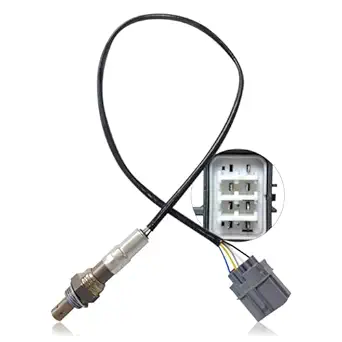 |
| Most Sold A high-volume bestseller chosen again and again | A-Premium Downstream Front and Rear O2 Oxygen Sensor (2‑pc) |  |
| Best Value for Money The sweet spot between price and what you get | TAUTOY 4‑Pack Upstream and Downstream O2 Oxygen Sensors (36531‑R70‑A01 / 36532‑R70‑A01) |  |
| Best Overall The best all-around choice for most situations | Sangyue 4-Pack Oxygen O2 Sensors (Upstream & Downstream) for 2006 Honda Ridgeline 3.5L |  |
1. HTMXJA Oxygen O2 Sensor Kit (4pcs) for Honda V6 Models

| Compatible models | MDX 03-06, RL 05-08, TL 04-06, Accord 03-07, Odyssey 05-06, Pilot 05-08, Ridgeline 06-08 |
|---|---|
| Reference part numbers | 234-5010, 234-4355, 234-4368 |
| Connector gender | Male |
This HTMXJA 4-piece oxygen sensor kit replaces upstream and downstream sensors on compatible Honda V6 models and monitors exhaust oxygen to help the engine manage fuel trim and emissions. Typically installed as a direct factory-quality replacement, the sensors plug into the existing wiring harness and are used to clear OBD-II codes, restore proper fuel trim, and improve idle and driveability. Notable features include claimed high-precision sensing, high-temperature resistance for durability in the exhaust stream, and a design intended to match factory fitment for straightforward installation. In practice the kit is useful for owners who need to replace multiple sensors at once or who cleared codes but still see poor fuel economy or drivability. Limitations are that fitment is specific to certain model years and V6 engines, so confirming part numbers before purchase is necessary, and long-term longevity versus well-known OEM suppliers is not documented here.
Best for: Owners focused on reliability who prefer repairing with full sensor sets to restore proper engine operation and avoid repeated trips to a shop.
Less Ideal for: Buyers seeking sensors for other makes or non-V6 Honda models should look for parts that explicitly list their vehicle and engine application.
- Includes both upstream and downstream sensors so multiple replacements can be done at once
- Designed to match factory fitment for straightforward plug-and-play installation
- High-temperature resistant construction intended for durable operation in the exhaust
- Aimed at precise oxygen measurement to help improve fuel trim and emissions control
- Fitment is limited to specific mid-2000s Honda V6 models so compatibility must be confirmed
- Long-term durability compared with established OEM brands is not documented in the listing
Verdict A complete 4-piece sensor kit aimed at restoring fuel trim and emissions control on compatible mid-2000s Honda V6 models, provided you verify fitment first.
2. YCT 234-5010 Replacement Upstream Oxygen O2 Sensor

| Brand | YCT |
|---|---|
| Mounting Type | Flange Mount |
| Material | Ceramic, Metal, Polymer |
| Output Type | Analog |
| Model | 234-5010 |
This YCT 234-5010 is an upstream oxygen sensor sold as a direct replacement for compatible Honda models. It measures exhaust oxygen content and sends an analog signal to the engine control unit so fuel trim and emissions controls can return to normal. Installation is typical for upstream sensors: locate the bank 1 sensor 1 port, remove the old sensor with an oxygen-sensor socket, and plug in the harness. Buyers report the part clears check-engine light codes like P0420 and restores drivability when the original sensor has failed. Notable features include a flange mount, ceramic sensing element, and a factory-style connector intended to match OEM fit and function. Practical benefits are straightforward: lower cost than dealer parts, ready compatibility when the part number matches, and enough durability for everyday driving. Limitations are variability in long-term reliability compared with higher-end branded sensors and occasional fitment or connector differences on some model years that may require verifying the factory part picture before ordering.
Best for: Convenience-driven buyers who want a straightforward, ready-to-install replacement to fix an emissions-related fault without paying dealer prices and who prefer a simple DIY swap.
Less Ideal for: Owners who prioritize maximum long-term durability or guaranteed OEM-level longevity should consider higher-end branded sensors or dealer replacements instead.
- Direct-fit replacement for listed Honda part numbers when matched correctly
- Analog output and ceramic sensing element provide standard oxygen monitoring functionality
- Flange mount and factory-style connector simplify installation for DIYers with basic tools
- Lower-cost alternative to dealer parts for repairing emissions-related check-engine lights
- Some users report occasional failures or inconsistent longevity compared with premium brand sensors
- Possible connector or plug differences across certain model years require visual confirmation before purchase
Verdict A budget-friendly, direct-fit upstream oxygen sensor for Honda applications that restores emissions monitoring quickly but may not match premium sensor longevity.
3. BOSCH 15401 Premium Fitment Oxygen Sensor

| Material | Stainless Steel |
|---|---|
| Mounting Type | Flange Mount |
| Output Type | Push-Pull |
| Response Time | 5 seconds |
The Bosch 15401 is a direct-fit oxygen sensor meant to replace the factory sensor in compatible Honda/Acura V6 applications and delivers the same functional role as the original part. It monitors exhaust oxygen to help the engine control unit keep air/fuel ratio in range and includes a fast-acting heater so the sensor reaches operating temperature within seconds for quicker, stable readings after cold starts. The stainless steel, submersible body and factory-style connector reduce the chance of corrosion and simplify installation without splicing. Thread anti-seize is pre-applied which helps during removal and reinstallation. Practical benefits include reliable, predictable sensor response that can clear check-engine codes tied to a failing sensor and help restore fuel economy and emissions performance. Limitations are that fitment depends on the engine and sensor position so buyers must confirm it matches the Ridgeline's sensor location; a small number of units have been reported defective on arrival which would require replacement.
Best for: Performance-oriented owners who prioritize factory-quality replacements that restore engine control accuracy and emissions performance while minimizing downtime and installation fuss.
Less Ideal for: Buyers who prefer a universal sensor for multi-vehicle use or those unwilling to verify exact sensor position and fitment before installing should consider other options.
- Direct-fit connector and harness for straightforward installation without splicing
- Fast-acting heater shortens warm-up time for accurate readings shortly after startup
- Stainless steel, sealed body resists exhaust corrosion and extends service life
- Threads come pre-coated with anti-seize to ease removal and reduce damage risk
- Compatibility varies by engine and sensor position so fit must be verified before purchase
- Some customers have reported receiving defective units requiring replacement
Verdict A factory-style, fast-heating oxygen sensor that delivers reliable, performance-focused replacement for compatible Honda Ridgeline sensor positions, provided fitment is confirmed.
4. RIGHTPARTS 234-5010 Upstream Oxygen Sensor — Replacement for Honda Ridgeline V6

| Material | Ceramic, Platinum |
|---|---|
| Mounting Type | Flange Mount |
| Output Type | Push-Pull |
| Upper Temperature Rating | 500 Degrees Celsius |
This RIGHTPARTS 234-5010 upstream O2 sensor is a straightforward replacement part aimed at restoring proper oxygen sensing on compatible Honda Ridgeline V6 engines. It uses a zirconia ceramic sensing element with a platinum coating and a flange-mount design, so it installs in the exhaust upstream of the catalytic converter to monitor exhaust oxygen and feed the engine control unit for fuel-trim corrections. In practice it performs the basic functions expected of a factory-style sensor: improving combustion control, reducing emissions, and clearing drivability issues tied to a failed upstream sensor. The unit is heat-rated for high-temperature exhaust environments and comes in a push-pull electrical output format for direct connection. Limitations are typical for budget aftermarket parts: long-term durability can vary versus higher-end replacements and fitment must match the Ridgeline's exact sensor location and connector to avoid modification. For routine replacement on a Ridgeline showing O2-related fault codes this sensor is a cost-effective option.
Best for: Budget-conscious Ridgeline owners focused on fixing a specific O2 sensor fault or restoring drivability without overspending.
Less Ideal for: Owners who prioritize maximum long-term durability or want brand-name guaranteed longevity should consider higher-end replacement sensors.
- Factory-style upstream placement for direct exhaust monitoring
- Zirconia ceramic element with platinum coating for standard oxygen sensing response
- Flange mount and push-pull output for straightforward installation and connection
- High upper temperature rating suitable for exhaust environments
- Durability and long-term lifespan may be less predictable than premium branded sensors
- Fitment requires confirming the Ridgeline's exact sensor plug and upstream location to avoid compatibility issues
Verdict A cost-effective upstream oxygen sensor that restores basic oxygen monitoring on compatible Ridgeline V6 engines but may not match premium sensors for long-term durability.
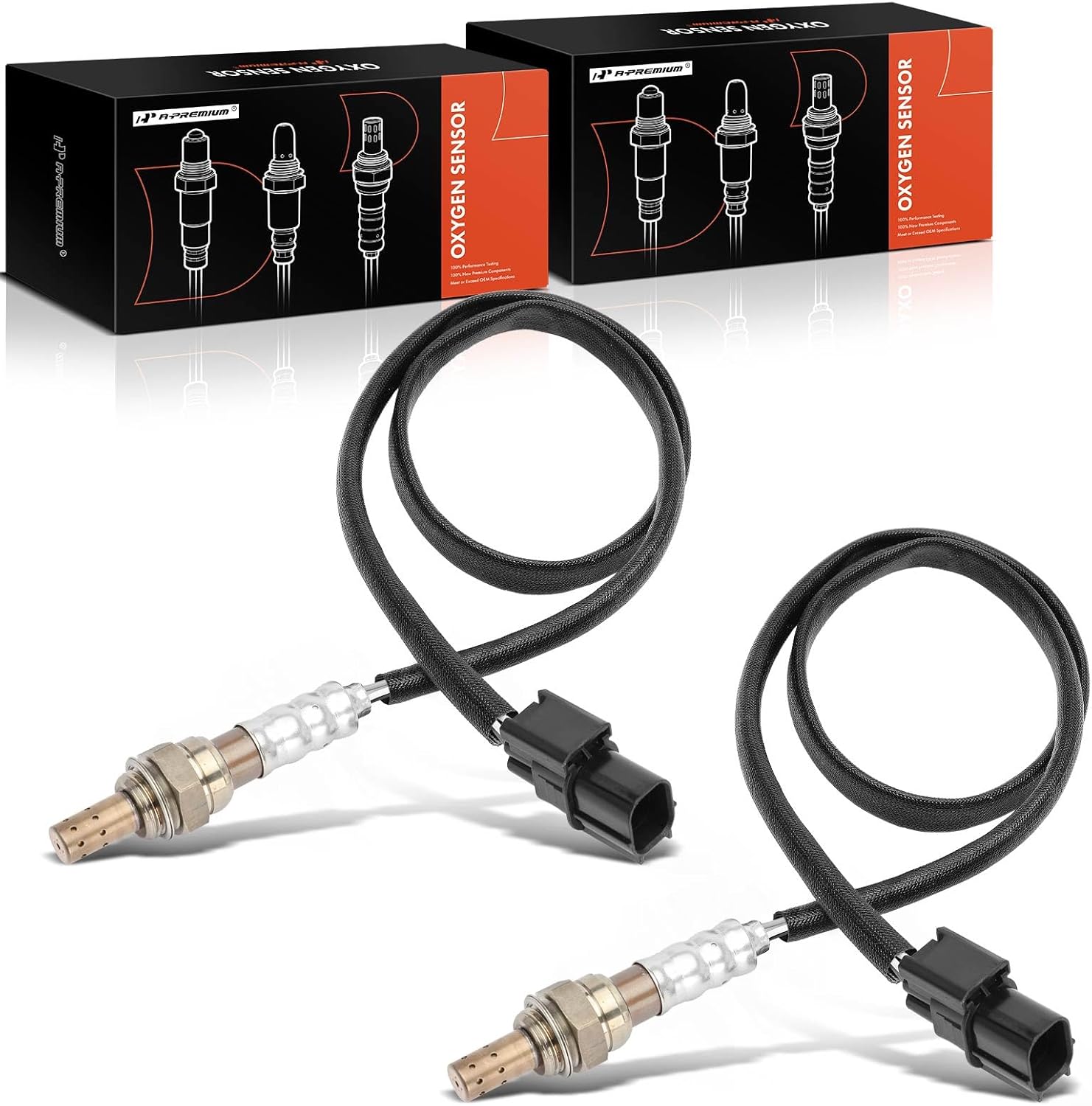
5. A-Premium Downstream Front and Rear O2 Oxygen Sensor (2‑pc)
| Material | Ceramic |
|---|---|
| Maximum Supply Voltage | 12 Volts (DC) |
| Mounting Type | Threaded |
| Output Type | Push-Pull |
| Wire Quantity | 4 |
This A-Premium listing is a two-piece set of downstream heated oxygen sensors intended as direct replacements where downstream sensors are required. Each sensor mounts with a threaded fitting and connects via a four-wire male connector, so installation is the same basic procedure as swapping a factory sensor: unplug the harness, unbolt the old sensor, thread in the new unit and reconnect. The kit is useful for clearing downstream-related check engine codes and helping the engine control module get correct post‑catalyst oxygen readings. Practical benefits include the heated element for faster sensor activation and packaged pair so you can replace both downstream locations at once. Important limitations: this set only covers downstream sensors and does not include the upstream sensor(s), and there are reports of connector pin-count mismatches on some model years so confirm your Ridgeline’s connector before ordering. Fitment depends on exact model year and engine variant so double-check vehicle details prior to installation.
Best for: A risk-averse mainstream buyer who wants a straightforward, factory-replacement style fix for downstream O2 sensor fault codes and prefers replacing both downstream sensors at once for reliability.
Less Ideal for: Drivers who need upstream sensors, are unsure of their vehicle connector type, or who require a guaranteed exact OEM connector clip arrangement should look for a different part or consult a dealer.
- Sold as a matched two-piece set so both downstream positions can be replaced together
- Heated sensor design reduces warm-up time for faster closed-loop operation
- Threaded mounting uses standard replacement procedure familiar to DIYers and shops
- Includes manufacturer part numbers for easier cross-referencing with Honda parts
- Does not include upstream (pre‑cat) oxygen sensor(s)
- Connector pin configuration may not match every model year, requiring verification before purchase
Verdict A convenient two-piece downstream heated O2 sensor kit that suits buyers wanting a practical, factory-style replacement—confirm connector fitment and remember upstream sensors are not included.
6. TAUTOY 4‑Pack Upstream and Downstream O2 Oxygen Sensors (36531‑R70‑A01 / 36532‑R70‑A01)

| Quantity | 4 PCs |
|---|---|
| Compatible engine | 3.5L V6 |
| Included positions | Upstream and downstream (2 each) |
| Manufacturer | TAUTOY |
This TAUTOY kit supplies four oxygen sensors—two upstream and two downstream—intended as direct replacements for the factory part numbers listed. In practice the sensors are swapped into the exhaust before and after the catalytic converter to reestablish accurate oxygen measurement, which helps clear check-engine codes and bring fuel trims back toward normal. The listing highlights laser-welded stainless steel construction and factory part number matching, so installation is straightforward for routine DIY or shop replacement on compatible 3.5L V6 Hondas. Buyers can expect usable performance for emission control and driveability at a budget-friendly price compared with dealer parts. Limitations are typical of aftermarket sensor kits: long-term durability and exact calibration can vary versus factory-brand sensors, and a mechanic may be needed if connectors or harness routing differ. The product includes a replacement promise for defects and is inspected before shipping, but it does not guarantee factory-identical lifespan or fit beyond the listed models.
Best for: Practical optimizers looking to fix emission-related driveability or check-engine issues on a budget and who prefer replacing all sensors at once to avoid repeat labor.
Less Ideal for: Buyers seeking guaranteed factory-equivalent longevity or motorsport-level precision should consider higher-end OEM-brand sensors or dealer replacements instead.
- Includes a full set of four sensors covering upstream and downstream positions so all affected sensors can be replaced at once.
- Matches common factory part numbers for direct-fit installation on listed 3.5L V6 models.
- Stainless steel, laser-welded bodies aim to provide reliable sensing and resistance to exhaust conditions.
- Budget-oriented option that can clear OBD-II fault codes and restore normal fuel trim without dealer pricing.
- Aftermarket calibration and long-term durability may not match factory-brand sensors.
- Fit and connector specifics can vary by vehicle; professional help may be required if routing or plugs differ.
Verdict A cost-conscious four-piece sensor kit that restores oxygen sensing and clears faults for 3.5L V6 Honda applications, but with the typical durability trade-offs of aftermarket parts.
7. Sangyue 4-Pack Oxygen O2 Sensors (Upstream & Downstream) for 2006 Honda Ridgeline 3.5L

| Vehicle fit | 2006 Honda Ridgeline 3.5L |
|---|---|
| Pack quantity | 4pcs |
| Output type | Analog Electrical Signals |
| Maximum supply voltage | 12 Volts (DC) |
These Sangyue oxygen sensors are sold as a four-piece set intended to replace both upstream and downstream sensors on the 3.5L Honda Ridgeline. They measure exhaust oxygen and return analog voltage signals to the engine control module so the ECU can adjust fuel trim and maintain emissions performance. The set is typically used during routine maintenance or to clear check-engine codes related to oxygen sensor failure. Notable features called out by the maker include a claimed factory-style production line, a 12V operating voltage, and an upper temperature rating suitable for exhaust conditions. In practice this means straightforward diagnostics and plug-and-play replacement for matching sensor locations, with the advantage of having both upstream and downstream sensors in one purchase. Limitations to expect are the usual for aftermarket sensor kits: fitment must be confirmed for the Ridgeline year and bank positions before installation and some units can show early failures or inconsistent readings compared with higher-end OEM sensors. Installation may require basic tools or a technician for tight exhaust fittings.
Best for: A balanced, all-round Ridgeline owner who wants an affordable, complete sensor replacement to restore emissions control and fuel-trim stability without sourcing individual parts.
Less Ideal for: Drivers seeking guaranteed OEM longevity or exact factory warranty coverage should consider purchasing factory-quality sensors or dealer-sourced replacements instead.
- Includes both upstream and downstream sensors so all bank positions can be refreshed at once.
- Designed to replicate factory production processes for a close functional match to factory sensors.
- Provides analog voltage output compatible with the Ridgeline ECU for correct fuel-trim feedback.
- Sold as a four-pack which simplifies sourcing and avoids mixing new and old sensors.
- Aftermarket quality can vary so some units may fail sooner than factory-quality sensors.
- Fitment depends on correct bank and position identification and may require verification before install.
- Does not include detailed vehicle-specific installation hardware beyond standard sensor connectors.
Verdict A convenient four-pack aftermarket solution to replace all oxygen sensors on the 3.5L Ridgeline, offering a cost-effective way to restore emissions and fuel control if fitment is confirmed.
Choosing the Right Honda Ridgeline Oxygen Sensor: Key Factors to Consider
Fitment and Connector Compatibility
Correct physical fit and matching electrical connectors are the baseline for a successful oxygen sensor replacement. A sensor that bolts into the exhaust and plugs into the factory harness without adapters reduces installation time and risk of wiring issues.
Fitment matters because improper threads or connector types can lead to exhaust leaks, poor sensor grounding, or intermittent signals that trigger diagnostic trouble codes. Verify mounting thread size, position (upstream or downstream), and wiring pinout to ensure direct compatibility with the Ridgeline.
Signal Response Time and Accuracy
How quickly and accurately a sensor reports oxygen levels affects fuel trim decisions made by the engine control unit. Faster response helps the ECU maintain the intended air-fuel ratio during acceleration, deceleration, and steady-state conditions.
Sensors vary in response due to internal chemistry and element design. Prioritize units with documented response characteristics and stable output to avoid erratic fueling or drivability issues.
Durability and Thermal Resistance
Oxygen sensors operate in a harsh environment with high temperatures and corrosive exhaust byproducts. Durability is determined by the sensor element, protective shielding, and the housing materials.
Thermal resistance matters because repeated heating and cooling cycles can degrade the sensing element and lead to failure. Choose sensors designed for extended high-heat exposure and protected against contaminants that accelerate wear.
Upstream Versus Downstream Role
Upstream sensors, located before the catalytic converter, primarily affect air-fuel mixture control, while downstream sensors monitor converter efficiency. Selecting the correct position-specific sensor is critical for proper engine and emissions system operation.
Each role demands different response characteristics and sometimes different housings or protective features. Confirm whether the replacement is designed for the upstream (pre-cat) or downstream (post-cat) location on the Ridgeline.
Installation Ease and Serviceability
Ease of installation affects the time and tools required for replacement. Direct-fit sensors with factory-style connectors reduce the need for special tools or splicing. Consider sensor length, harness routing, and accessibility of the mounting point on the vehicle.
Serviceability also includes whether the sensor can be safely removed and reinstalled without damaging threads or surrounding components and if replacement intervals are straightforward to follow.
Signal Type and Diagnostic Compatibility
Sensors produce different signal types such as narrowband or wideband outputs and must be compatible with the vehicle's engine management system. Diagnostic compatibility determines whether the sensor will produce the expected voltage or current signature for the ECU to interpret.
Understanding sensor output and how it maps to common trouble codes, for example related to bank and sensor numbering, helps ensure accurate diagnostics and avoids misleading error codes after replacement.
FAQ
How do I know if my Honda Ridgeline oxygen sensor is failing?
Symptoms often include reduced fuel economy, rough idle, poor acceleration, or a persistent check engine light. You can also see specific diagnostic trouble codes related to oxygen sensors during a scan. These signs usually indicate the sensor is not providing proper signals to the engine control unit.
Can I replace an oxygen sensor myself on the Ridgeline?
Many owners can perform an oxygen sensor replacement with basic hand tools and a suitable sensor socket. Accessibility varies by sensor location, so you may need the vehicle raised for safe access. Follow torque specifications and wiring connection guidelines to avoid leaks or electrical issues.
Should I replace upstream and downstream sensors at the same time?
It often depends on symptoms and sensor age. Upstream sensors affect fueling and can cause drivability problems, while downstream sensors monitor catalytic converter performance. If one sensor failed due to age or contamination, inspecting the other sensors makes sense, but simultaneous replacement is not always required.
What does a code referring to bank 1 sensor 1 mean?
Bank 1 sensor 1 typically refers to the upstream oxygen sensor on the side of the engine that contains cylinder one. Codes for that sensor indicate the engine control unit is monitoring that pre-catalyst sensor and has detected readings outside expected ranges, which can point to sensor degradation or wiring faults.
How can I test an oxygen sensor before replacing it?
Testing usually involves visual inspection, scanning for trouble codes, and measuring the sensor output with a multimeter or oscilloscope while the engine is running. For narrowband sensors you expect the voltage to fluctuate; wideband units produce a different signal type. Proper testing helps distinguish sensor failure from wiring or fuel system issues.
How We Chose the Best Honda Ridgeline Oxygen Sensor
To build this list we applied focused, category-specific filters that reflect real-world needs for Honda Ridgeline owners. We prioritized direct-fit units and connectors that match Ridgeline wiring and mounting to avoid adapter complications. Signal accuracy and response time were essential because the engine control unit relies on timely oxygen readings to adjust fuel trim. Durability under heat and exposure to exhaust gases was evaluated, including sensor housing materials and protective coatings. We also considered resistance to contamination and how easily the sensor can be cleaned or replaced during routine maintenance. Installation ease and whether the unit supports upstream versus downstream roles were factored into selection. Exclusions: we excluded universal sensors that require extensive modification, devices lacking clear fitment information for the Ridgeline, and products without manufacturer-specified signal characteristics. The result is a shortlist focused on fitment reliability, signal fidelity, thermal durability, and practical installability for the Honda Ridgeline.
Our full evaluation process is outlined in our review methodology.
Conclusion
Choosing the right Honda Ridgeline oxygen sensor comes down to matching fitment, ensuring the correct upstream or downstream role, and prioritizing signal accuracy and durability. Balance ease of installation with the sensor's thermal and contamination resistance to avoid repeated failures.When in doubt, focus on direct-fit options with documented signal performance and confirm connector and thread compatibility for your Ridgeline. That approach reduces installation headaches and helps restore steady engine performance and emissions control.
Explore More:
- Check out all Honda Ridgeline parts & accessories
- Explore Oxygen Sensors Maintenance & Repair Guides
- Explore Engine
- Browse all Auto Parts
