

Note: This article contains affiliate links. If you click on these links and make a purchase, I may earn a small commission at no extra cost to you. This helps support my research and content. Read my full affiliate disclosure here.
If you tow with a 1998-2011 Ford Ranger, choosing the right tow hitch receiver matters for safety, load capacity, and ease of installation. A correctly matched receiver restores factory tow ratings and avoids stress on the frame, wiring, and suspension. This guide shortlisted six top-rated tow hitch receivers that fit this Ranger year range and explains the practical differences you need to weigh.Below you will find focused evaluation criteria, fitment notes, and installation considerations to help you pick a receiver that meets your towing needs and driving habits.
Looking for other parts? See all Ford Ranger parts & accessories.
Top Picks at a Glance
| Best Overall Tow Hitch Receiver A balanced pick with strong build, fitment flexibility, and value | KUAFU 2-Inch Class 3 Trailer Hitch Receiver (Vehicle Specific Fit) |  |
| Best Budget Tow Hitch Receiver A low-cost receiver that covers basic towing needs reliably | Magnus Class 3 Trailer Hitch Receiver 2" for Ford Ranger (1983–2011) |  |
| Best Lightweight Tow Hitch Receiver A lighter receiver that eases handling without sacrificing necessary strength | Vijay Class 3 2" Trailer Hitch Receiver for Ford Ranger and Mazda B-Series (1983–2011) |  |
| Best Class III Tow Hitch Receiver A common higher-capacity class ideal for midsize towing demands | Off Roader 2-Inch Class III Trailer Hitch Receiver for Ford Ranger | |
| Best Easy-Install Tow Hitch Receiver Designed for straightforward, bolt-on installation with clear instructions | ROMELACK 2" Class 3 Trailer Hitch Receiver for Ford Ranger (1983–2011) |  |
| Best Premium Tow Hitch Receiver Higher-end materials, finish, and long-term corrosion protection | CURT Class 3 Trailer Hitch 2" Receiver (Model 13138) |  |
1. KUAFU 2-Inch Class 3 Trailer Hitch Receiver (Vehicle Specific Fit)
Best Overall Tow Hitch Receiver

| Hitch Class | Class 3 |
|---|---|
| Receiver Size | 2 inch |
| Maximum Towing Capacity | 4000 Pounds |
| Tongue Weight | 400 Pounds |
| Material | Alloy Steel |
This KUAFU 2-inch Class 3 hitch receiver is a vehicle-specific bolt-on unit that gives Ford Ranger owners a straightforward way to add towing capability. Constructed from alloy steel with a full weld design and black powder coat, it installs without drilling or welding and accepts standard 2-inch ball mounts, cargo carriers, and racks. The 4,000 pound gross towing capacity and 400 pound tongue rating make it suitable for small trailers, utility loads, and most bike or cargo racks used by weekend DIYers. The powder coat helps resist surface corrosion but you may want to touch up edges after installation in salty climates. Hardware like pins, clips, and wiring are not included so plan to source those separately. Fitment limited to specified Ranger and compatible Mazda years keeps the install simple for owners of those trucks, but it is not a universal part. For someone who wants a durable, factory-style receiver without professional installation, this is a solid practical choice that balances strength, fit, and value.
Best for: Buyers who want a durable, factory-style bolt-on hitch that balances solid towing capacity with straightforward DIY installation for late 1990s to 2011 Ranger trucks.
Less Ideal for: People who need higher towing capacity, integrated wiring or accessories included, or those who plan to use the hitch on vehicles outside the specified Ranger/Mazda fitment.
- Vehicle-specific bolt-on fit simplifies DIY installation for compatible Ford Ranger years
- Alloy steel construction with all-welded design for good structural strength
- Black powder coat finish provides surface corrosion resistance
- Class 3 2-inch receiver with 4,000 lb towing and 400 lb tongue capacity suits common light towing needs
- Does not include hitch pin, clip, ball mount, or wiring harness so additional purchases are required
Verdict: The best all-around tow hitch receiver that balances build quality, towing capacity, ease of installation, and value for most DIYers.
2. Magnus Class 3 Trailer Hitch Receiver 2" for Ford Ranger (1983–2011)
Best Budget Tow Hitch Receiver

| Receiver Size | 2 inches |
|---|---|
| Material Type | Carbon Steel |
| Finish Type | Powder Coated |
| Weight Carrying Capacity | 4000 lbs |
| Automotive Fit Type | Vehicle Specific Fit |
This Magnus Class 3 trailer hitch is a straightforward, vehicle-specific 2-inch receiver made to bolt onto Ford Ranger frames from the specified years. It is built from carbon steel with a high-gloss powder coat and an additional liquid-applied corrosion barrier to resist chipping and rust in regular road conditions. Rated for a 4,000 lb weight-carrying capacity and 400 lb tongue weight (6,000/600 lb with weight distribution), the hitch supports typical small-trailer and utility towing chores for Ranger owners. Installation requires no drilling and includes mounting hardware and a user manual, making it a solid DIY option. The unit is tested to SAE J684-equivalent standards and comes with a limited 3-year warranty. Expect a basic, utilitarian design without noise-damping or integrated wiring provisions, and the finish may show wear over many years in harsh coastal or salted-road environments.
Best for: Buyers seeking an inexpensive, no-frills bolt-on hitch for routine towing tasks on their Ford Ranger who prioritize reliable fit and simple installation over extra features.
Less Ideal for: Those who need integrated wiring, decorative finishes, or heavy offroad/overload towing should consider higher-end or feature-rich alternatives.
- Vehicle-specific Ford Ranger fitment for a direct bolt-on installation
- Solid carbon steel construction with powder-coat and liquid corrosion barrier
- Towing ratings suitable for common small trailers and utility loads
- Includes mounting hardware and user manual for easier DIY install
- No integrated wiring or accessories included so additional parts are needed for trailer lights
Verdict: The best budget tow hitch receiver for buyers who need a reliable, straightforward unit with acceptable materials and straightforward mounting at a low price.
3. Vijay Class 3 2" Trailer Hitch Receiver for Ford Ranger and Mazda B-Series (1983–2011)
Best Lightweight Tow Hitch Receiver

| Material Type | Alloy Steel |
|---|---|
| Finish Type | Powder Coated |
| Automotive Fit Type | Universal Fit |
| Compatible with Vehicle Type | Truck |
| Receiver Size | 2" x 2" |
This Vijay Class 3 trailer hitch is a straightforward bolt-on receiver built from alloy steel with a textured black powder coat for corrosion resistance. It installs using the included mounting hardware and requires no cutting or drilling, so it is useful for owners who want a clean, factory-style installation on compatible Rangers and Mazda B-series trucks. The hitch is rated for about 2,000 pounds of towing and uses a standard 2" x 2" receiver, making it suitable for light towing tasks like small trailers, cargo carriers, and bike racks. At roughly 31 pounds the unit is noticeably lighter than many heavy-duty hitches, which makes handling and installation easier for one or two people. The limited towing capacity and universal-fit listing mean it is not intended for heavy trailers or commercial work, and buyers should verify fit against their specific model year and mounting points before purchase.
Best for: Buyers who want an easier-to-handle, bolt-on Class 3 receiver for light towing and accessory use on compatible Ford Ranger or Mazda B-series trucks and who prioritize simpler installation and lower weight over heavy towing capacity.
Less Ideal for: Those who need higher towing capacity for large trailers, heavy equipment, or commercial towing should choose a heavier-duty hitch rated above 2,000 pounds.
- Bolt-on installation with included mounting hardware eliminates cutting or drilling
- Textured powder-coated alloy steel construction improves corrosion resistance
- Standard 2" receiver fits common ball mounts and accessories
- Relatively light at about 31 pounds for easier handling and installation
- 2,000 lb tow rating limits use to light trailers and accessories
Verdict: The best lightweight tow hitch receiver for buyers who prioritize reduced weight for easier handling and installation while maintaining appropriate towing ratings.
4. Off Roader 2-Inch Class III Trailer Hitch Receiver for Ford Ranger
Best Class III Tow Hitch Receiver
| Maximum Towing Capacity | 4000 Pounds |
|---|---|
| Pull Force | 4000 Pounds |
| Material Type | Carbon Steel |
| Finish Type | Powder Coated |
This Class III 2-inch receiver is a vehicle-specific hitch built to fit Ford Ranger models covered by the listing and provides a common mid-range towing capability for everyday towing tasks. It is fabricated from carbon steel with a multi-layer powder-coated finish for corrosion resistance and is tested to SAE J684 standards, which supports consistent strength and durability under regular towing loads. The kit includes mounting hardware, installation instructions, and a weather-tight hitch cover so you can perform a DIY bolt-on installation without custom fabrication. Its 4000-pound maximum towing capacity and 6000-pound gross tongue or related ratings make it suitable for trailers, small boats, cargo carriers, and bike racks that use a 2-inch receiver. Expect a sturdy, factory-style look when installed since the design follows the factory bumper mounting points. Limitations include the need to verify exact year and bumper configuration for fit, and heavier commercial towing or weight-distributing demands may require a higher-class hitch or professional installation and inspection.
Best for: Buyers who need a dependable, factory-style 2-inch Class III receiver for routine towing tasks on a compatible Ford Ranger and prefer a bolt-on DIY installation.
Less Ideal for: Drivers who plan on frequent heavy commercial towing, require towing above the listed capacity, or who need universal multi-vehicle compatibility should consider heavier-duty alternatives or professional-grade hitches.
- Vehicle-specific bolt-on fit for Ford Ranger as listed for a cleaner install
- Standard 2-inch receiver works with common mid-range towing accessories
- Constructed from carbon steel with powder-coated finish for corrosion resistance
- Tested to SAE J684 for dependable strength under typical towing loads
- Includes mounting hardware, instructions, and a weather-tight hitch cover for DIY installation
- Fitment covers specific Ford Ranger years so you must confirm compatibility with your exact model and bumper style
Verdict: The best Class III tow hitch receiver when you need the common mid-range towing capacity and standard 2-inch receiver tube for versatile towing accessories.
5. ROMELACK 2" Class 3 Trailer Hitch Receiver for Ford Ranger (1983–2011)
Best Easy-Install Tow Hitch Receiver

| Receiver size | 2 inches |
|---|---|
| Class | 3 |
| Maximum towing capacity | 4000 pounds |
| Material | Alloy Steel |
| Finish type | Powder Coated |
This ROMELACK Class 3 trailer hitch provides a 2-inch receiver for towing and accessory mounts on Ford Ranger models from 1998 through 2011 and earlier years listed by the manufacturer. It is built from heavy-duty alloy steel, powder coated to resist corrosion, and precision welded for strength. The hitch is rated for 4,000 lb gross trailer weight and 400 lb tongue weight with higher weight-distribution ratings when properly configured. Installation is designed to be bolt-on with no drilling required, using existing factory mounting points and the included hardware and instructions, which makes it well suited to a DIY install in a home driveway. Practical limits include its vehicle-specific fitment and the need to confirm all fastening points and torque specs during install; buyers should also plan for basic hand tools and an assistant to hold the hitch while fastening. The hitch offers a solid balance of towing capacity and an easy, time-efficient mounting process for hobbyist mechanics focused on a straightforward installation.
Best for: DIY mechanics who prioritize a straightforward, bolt-on hitch that installs quickly with basic tools and minimal vehicle modification for Ford Ranger models in the specified years.
Less Ideal for: Users wanting a universal hitch for multiple vehicle makes or those who need heavier commercial towing capacity beyond the listed ratings should consider other options.
- Vehicle-specific bolt-on design that requires no drilling for faster DIY installation
- Powder-coated alloy steel construction for corrosion resistance and durability
- Standard 2" receiver accepts common ball mounts, cargo and bike racks
- Included installation hardware and instructions simplify the mounting process
- Class 3 rating with 4,000 lb gross trailer weight suitable for common towing tasks
- Fitment limited to specified Ford Ranger and listed Mazda B-series years so compatibility must be checked before purchase
- Manufacturer instructions and torque specs may be minimal so referencing factory torque values is recommended
Verdict: The best easy-install tow hitch receiver for DIY mechanics who want minimal drilling, clear hardware, and a straightforward, time-efficient mounting process.
6. CURT Class 3 Trailer Hitch 2" Receiver (Model 13138)
Best Premium Tow Hitch Receiver
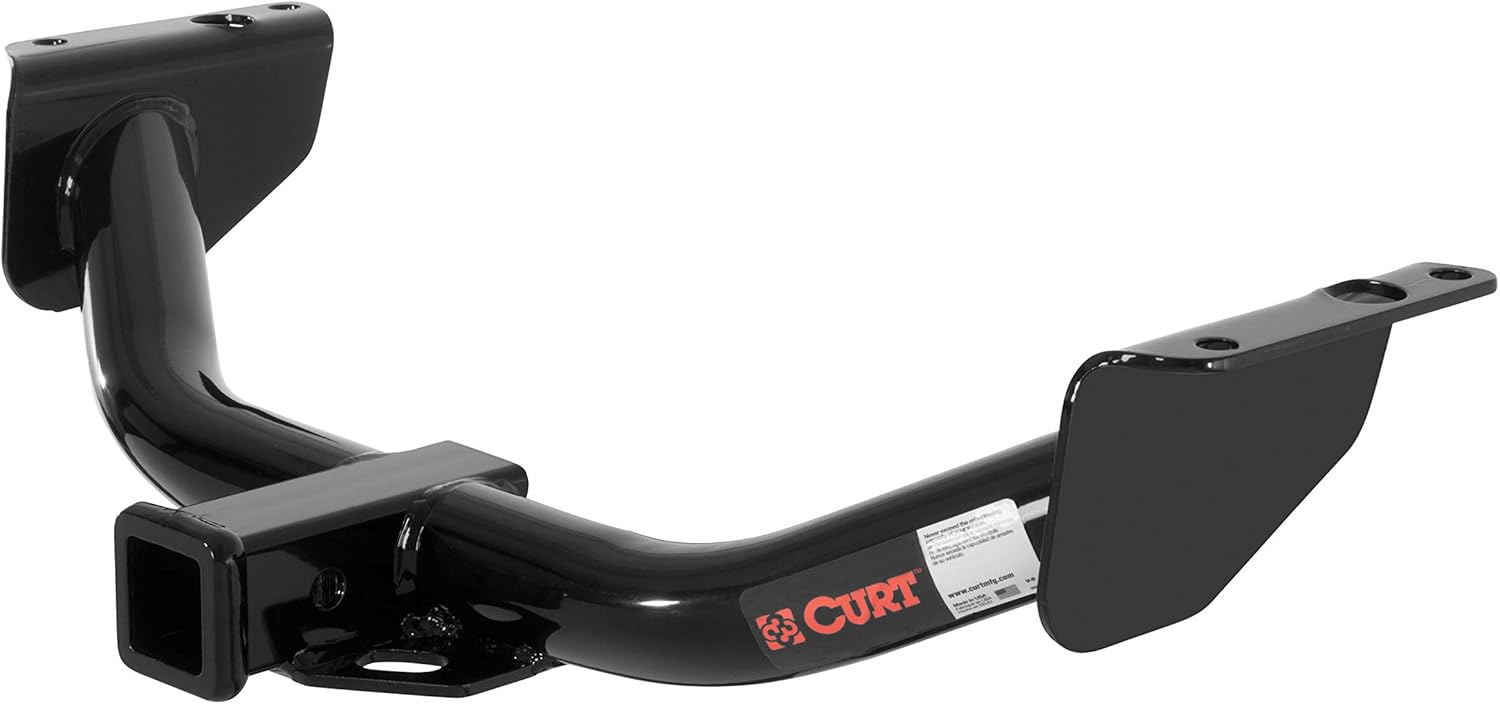
| Receiver size | 2 inches |
|---|---|
| Gross trailer weight | 4,000 lbs |
| Tongue weight | 400 lbs |
| Weight distribution capacity | 6,000 lbs |
This CURT Class 3 trailer hitch provides a factory-style, vehicle-specific mounting solution for certain Mazda B2300, B3000, B4000 and Ford Ranger model years. Installed at the rear, it adds a standard 2" x 2" receiver and delivers a 4,000 lb gross trailer weight capacity with 400 lb tongue weight, and it accepts weight distribution systems up to the hitch limits. The hitch is built from high-strength carbon steel with precise welding and a two-layer co-cured corrosion-resistant finish of liquid A-coat plus a black powder coat, which improves long-term durability in road conditions. Typical use cases include towing utility trailers, boats, small campers and ATV haulers where a reliable, vehicle-matched mount and clean appearance matter. Installation is intended to be straightforward because the design is custom for the listed applications, though buyers should verify fitment for their exact year and trim. The hitch is a solid premium-feel option for owners who prioritize a refined fit, durable finish and tested towing capacity, but it only fits the specific vehicle applications listed rather than being a universal receiver.
Best for: Buyers looking for a high-quality, vehicle-matched hitch for a 1998–2011 Ford Ranger who prioritize durable materials, refined fit and long-term corrosion protection for regular towing.
Less Ideal for: People who need a universal or multi-vehicle hitch solution or who plan light occasional use and prefer a lower-cost generic receiver.
- Vehicle-specific design for a precise, factory-style fit and easier installation
- 2-inch receiver with 4,000 lb GTW and 400 lb TW rating suitable for common towing tasks
- Robust carbon steel construction with robotic and manual welds for strength
- Dual-layer co-cured liquid A-coat plus powder coat finish for superior corrosion resistance
- Compatible with weight distribution systems up to the hitch rating for level towing
- Fits only the specified Mazda B-series and Ford Ranger applications so verify exact year/trim compatibility
Verdict: The best premium tow hitch receiver for buyers willing to pay more for superior materials, corrosion-resistant finishes, and refined fit and finish.
Choosing the Right 1998-2011 Ford Ranger Tow Hitch Receiver: Key Factors to Consider
Towing Capacity and Rated Load
Matching the receiver's rated towing capacity to your typical trailers is critical. The receiver rating determines what you can safely tow and tow weight should never exceed the lowest-rated component in the towing system.
For the 1998-2011 Ranger, consider both gross trailer weight and tongue weight. A receiver with a higher gross towing capacity and sufficient tongue weight rating provides a safety margin and reduces strain on the truck's frame and hitch mounting points. Verify that the receiver's published capacity aligns with your trailer type, and remember that added accessories such as weight-distribution hitches can change the effective loads on the receiver.
Receiver Class and Tube Size
Receiver class and tube size determine what ball mounts and accessories will fit and how much load the hitch can handle. Common classes differ in tube dimensions and wall thickness, which affect durability under heavy loads.
Choosing the right class for your Ranger depends on intended use. A higher class with a larger tube size is appropriate if you tow heavier trailers or use accessories like cargo carriers. Confirm that the selected receiver accepts the ball mount drop or rise you need and that recommended accessory sizes are widely available.
Mounting Method and Hardware
How the hitch bolts to the truck frame directly affects strength and ease of installation. Bolt-on receivers that align to the Ranger's existing weld nuts or frame holes typically offer straightforward installation without drilling, while some designs may require minimal drilling or trimming.
High-quality fasteners, hardened bolts, and properly sized washers help maintain clamping force and resist loosening. Consider whether the receiver includes all necessary hardware, torque specifications, and any installation templates that reduce the risk of misalignment. Simpler bolt-on installations reduce shop time and are easier for most owners to perform at home.
Corrosion Protection and Finish
This vehicle range is often used in varied climates, so corrosion resistance is a practical concern. A robust finish such as powder coat or e-coat plus plated internal hardware helps prevent rust at attachment points and inside the receiver tube.
Look for components with sacrificial paint layers and well-sealed welds. Corrosion can weaken mounting points and make removal or accessory insertion difficult over time. If you live in areas with road salt or frequent moisture, prioritize finishes and materials known to resist long-term degradation.
Compatibility with Electrical and Wiring Needs
A receiver often needs to work in tandem with trailer wiring for lights, brakes, and auxiliary power. Consider whether the receiver design interferes with access to the bumper area or wiring harness connections used for trailer lighting.
Some receivers provide integrated routing for wiring or clearance that simplifies attaching a trailer plug. If you plan to tow trailers with electric brakes or additional lighting, ensure that the receiver's placement gives adequate access to the truck's factory harness or aftermarket wiring adapters.
Ground Clearance and Exhaust/Spare Tire Clearance
Receiver placement affects ground clearance, approach and departure angles, and clearance around exhaust components and the spare tire. Low-mounted receivers can reduce clearance and catch on obstacles, while poorly positioned designs can interfere with the spare or exhaust heat shields.
Assess how the receiver sits relative to the rear bumper and frame on the Ranger. A design that tucks up close to the frame while maintaining an accessible receiver opening typically balances clearance and usability. Verify that the installation does not require moving the spare tire or modifying the exhaust unless you are prepared for that work.
Understanding Receiver Classes and Which Suit the Ranger
Receiver classes describe nominal capacity and tube dimensions more than a single performance metric. For the 1998-2011 Ranger, most owners choose between light-duty and medium-duty classes depending on trailer weight, with some aftermarket options rated for heavier loads when paired with proper truck equipment.
- Class profile affects compatible ball mounts and accessories.
- Larger tube sizes increase available accessory options and strength.
- Confirm both gross and tongue weight ratings, not just class label.
Bolt-On Versus Drilled Installations
Many receivers for this Ranger years use existing factory holes or weld nuts for a bolt-on installation that avoids drilling. Bolt-on installs are faster and reduce the risk of misalignment and rust from newly exposed metal. However, some high-capacity receivers may require minor drilling for optimal fit and load distribution.
- Bolt-on saves time and preserves factory integrity.
- Drilling may be necessary for higher-capacity mounts or to align thicker flanges.
- Check installation guides for required tools and hole specifications.
Wiring and Electrical Prep for Towing
Before installing a receiver, check the truck's trailer wiring readiness. Some Rangers have factory wiring provisions that make adding a trailer connector simple. If not, you will need an adapter or hardwired solution routed around the receiver mounting area.Plan wiring runs to avoid heat sources and moving parts, and use marine-grade connectors for better corrosion resistance. Test all lights and brake functions on the trailer before towing to confirm proper operation.
- Locate factory harness connectors and determine if adapters are needed.
- Use grommets and clips to secure runs to the frame.
- Test lighting and brake circuits after installation.
Accessory Compatibility and Future-Proofing
Think about the accessories you may use with the receiver, such as bike racks, cargo carriers, or weight-distribution hitches. Picking a receiver with a common tube size and compatible pin hole sizing ensures you can use a wide range of attachments without modification.Also consider whether you might upgrade towing needs in the future. Choosing a slightly more robust receiver now can avoid a second installation later, provided the truck's frame and suspension can support higher loads.
- Verify standard pin hole sizes and tube dimensions for accessory fit.
- Consider a receiver that accepts common anti-rattle and locking accessories.
- Match receiver capability to potential future towing upgrades.
Installation Tools and Time Estimates
Understand the tools, workspace, and time required before starting an install. A typical bolt-on receiver can be installed with standard hand tools and basic lifts or jack stands in a few hours. More involved installs that require drilling, trimming, or exhaust movement will take longer and may require specialized tools.Having torque wrenches, jack stands, and safety equipment on hand improves safety and ensures fasteners meet specified torque values. If the project requires welding or frame modification, factor in professional labor time.
- Prepare torque wrench and properly rated jack stands.
- Review instructions to confirm drill sizes and torque specs.
- Allocate extra time for wiring and test towing checks.
Still looking for the perfect fit?
Select your Ford Ranger configuration to see the most relevant Tow Hitch Receivers recommendations
How We Chose the Best 1998-2011 Ford Ranger Tow Hitch Receiver
Our selection process focused on fitment, structural integrity, usability, and long-term reliability for the 1998-2011 Ford Ranger. We prioritized products designed specifically for this year range and mounting patterns to avoid fitment issues and ensure safe load transfer to the truck frame. Key evaluation criteria included towing capacity ratings that match or exceed common Ranger towing loads, receiver class and tube size, mounting method and hardware quality, corrosion resistance and finish, and ease of installation with clear instructions.We also considered the availability of compatible electrical and wiring accommodations for trailer lighting and whether the design preserved ground clearance and departure angle. Exclusions included universal receivers without Ranger-specific bolt patterns and low-quality components lacking published load ratings. The final shortlist balances structural performance, fitment accuracy, corrosion protection, and practical installability for typical Ranger owners.
Our full evaluation process is outlined in our review methodology.
FAQ
Will a receiver for 1998-2011 Ford Ranger require drilling the frame?
Many receivers designed for this Ranger use existing frame holes for a bolt-on fit. However, some higher-capacity or alternative designs may call for minimal drilling. Check the product's installation instructions for exact requirements.
What receiver class should I choose for light utility trailers?
For light utility trailers, a mid-range receiver class that matches your truck's tongue weight and gross trailer weight is usually sufficient. Verify the receiver's tongue weight rating and ensure it exceeds your loaded trailer's tongue weight.
Can I install a receiver myself or should I use a shop?
Owners with basic mechanical skills can install many bolt-on receivers using jack stands and hand tools. If the installation requires drilling, welding, or exhaust removal, or if you lack tools, professional installation is safer.
How does the receiver affect my spare tire or exhaust clearance?
Receiver placement can change where the spare tire mounts or how close the hitch sits to the exhaust. Some receivers tuck close to the frame to preserve clearance, while others may require moving the spare or trimming heat shields. Review clearance notes in the installation instructions.
Do I need any special wiring when adding a receiver?
You may not need new wiring if your Ranger already has a trailer harness, but many owners add a dedicated trailer connector and ground. Use corrosion-resistant connectors and route wiring away from heat and moving parts.
How do I verify the receiver's towing capacity is appropriate?
Match the receiver's gross trailer weight and tongue weight ratings to your intended trailers and consult your truck's owner limits. The lowest-rated component in the towing chain dictates safe towing limits.
Final Verdict
For the 1998-2011 Ford Ranger, prioritize receivers that match your realistic towing loads, use the truck's factory mounting points when possible, and offer durable finishes to resist corrosion. Balance towing capacity with required installation complexity and wiring access to ensure the receiver functions reliably with your trailer setup.If you tow occasionally with light loads, a simpler bolt-on receiver with adequate tongue weight is an efficient choice. For heavier towing needs, select a more robust receiver and plan for potential professional installation and wiring upgrades to maintain safe operation.
Explore More:
- Check out all Ford Ranger parts & accessories
- Explore Exterior Accessories
- Browse all Accessories
