

Note: This article contains affiliate links. If you click on these links and make a purchase, I may earn a small commission at no extra cost to you. This helps support my research and content. Read my full affiliate disclosure here.
Repair Snapshot
Use a mechanic or sunroof specialist if the glass is cocked sideways, the motor keeps grinding, the cable appears damaged, or the headliner must be removed to reach broken track parts. Professional help is also smarter if the panel will not close fully and rain exposure is a concern.
This article is part of our Body and Exterior Maintenance & Repair Guides.
A jammed sunroof track usually comes down to one of three problems: debris in the rails, old hardened grease, or a panel that has shifted out of alignment. If the motor still runs but the glass barely moves, stops halfway, or tilts unevenly, the track is often the real issue.
The good news is that many stuck sunroofs can be freed up without replacing the entire assembly. A careful DIY repair usually means cleaning the tracks, inspecting the slides and wind deflector, lubricating the right points, and checking whether the panel is binding on one side.
The key is to move slowly. Forcing a stuck sunroof can strip cables, crack guide shoes, or leave the glass stuck open. This guide walks through safe diagnosis first, then the repair steps that make sense before you spend money on major parts.
How to Tell Whether the Track Is Really Jammed
Before taking trim apart, confirm that the track is the problem and not a weak motor, bad switch, or blown fuse. A true track jam often shows up as uneven movement, a popping or binding sensation, or one side of the glass lagging behind the other.
- The sunroof starts to open, then stops in the same spot every time.
- You hear the motor working, but the glass does not move or moves only slightly.
- The rear edge lifts but the panel will not slide back smoothly.
- The glass sits crooked or higher on one side when partially open.
- There is visible dirt, leaves, broken plastic, or dried grease in the rails.
If you press the switch and hear only a click with no motor sound, check the fuse, switch, and power supply first. If the motor runs loudly and the glass does not move at all, a broken cable or stripped drive component may be involved, which is more serious than a simple jam.
Safety Steps Before You Begin
Park on level ground and work in a dry place. If the roof is partially open, avoid rain until the repair is complete. Protect the seats and center console with towels because old grease and dirty runoff can stain interior surfaces.
Keep your fingers out of the track while testing movement. Sunroof mechanisms create pinch points and can suddenly shift when the bind releases. If you will unplug the motor or remove trim near wiring, disconnect the negative battery cable first.
- Wear gloves and safety glasses.
- Do not force the glass by prying on the edge.
- Do not spray heavy grease blindly into the rails.
- Stop immediately if you hear grinding or cable skipping.
Inspect the Sunroof for the Most Common Causes
Start with a Visual Check
Open the sunshade and use a bright light to inspect both tracks from front to rear. Look for leaves, sand, broken trim fragments, sticky residue, and clumps of old grease. Even a small obstruction can stop the panel if it gets trapped in a slider path.
Compare Both Sides
A healthy sunroof track should look symmetrical side to side. If one guide sits farther forward, looks twisted, or has a missing plastic shoe, the panel may be binding because one side is no longer synchronized with the other.
Check the Wind Deflector and Seals
Many sunroofs jam because the front wind deflector does not fold down correctly or because the rubber seal bunches up and drags. If the deflector spring is bent or the seal is peeling away, the glass can catch and stop before it starts sliding.
Clean the Tracks the Right Way
Cleaning is the first real repair step, and it solves a lot of jam complaints by itself. Use a dry cloth or vacuum first to remove loose dirt. Then wipe the rails with a cloth lightly dampened with interior-safe cleaner. Avoid soaking the track because excess liquid can run into the headliner or wash debris deeper into the mechanism.
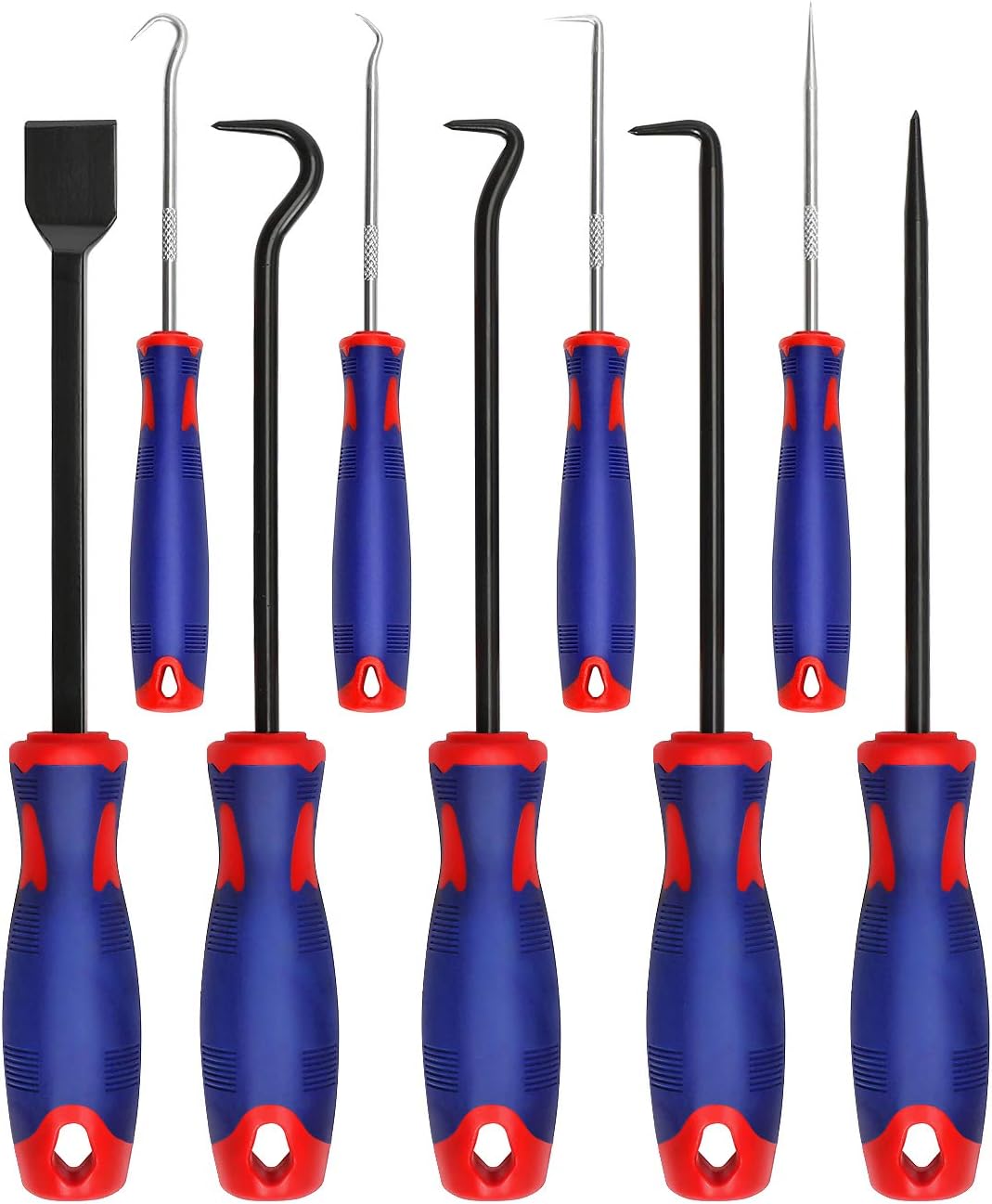
Use a plastic trim tool or small pick to carefully lift out packed debris from corners, drain troughs, and around guide blocks. Be gentle around painted surfaces and rubber seals. Do not scrape hard enough to gouge the rail or dislodge parts that are supposed to stay clipped in place.
If you find broken plastic pieces, stop and identify where they came from before cycling the roof again. Loose fragments often indicate a failed slider, lift arm, or guide shoe. Cleaning alone will not fix that, and running the motor can make the damage worse.
Tools That Make This Job Easier


Lubricate the Track Without Making the Problem Worse
Sunroof tracks need the correct lubricant. In most cases, a light silicone-based sunroof or rubber-safe track lubricant is the safest choice. Heavy chassis grease attracts grit, thickens in cold weather, and can turn a sticky track into a worse jam later.
- Apply a small amount of lubricant to the moving contact points in the rails, not the entire roof opening.
- Add a thin film to visible slider contact surfaces and pivot points on the wind deflector if they look dry.
- Wipe off excess immediately so dirt does not stick to it.
- Cycle the sunroof only a short distance at first to spread the lubricant and confirm it is no longer binding.
Less is better here. If the roof begins moving more freely after lubrication, work it back and forth in short, controlled motions instead of commanding a full open cycle right away. That helps you catch any remaining bind before parts break.
Realign the Panel if One Side Is Sticking
If the glass looks crooked, sits too high on one side, or drags only at the start or end of travel, misalignment may be the issue. Many sunroof panels attach to the sliding hardware with accessible Torx or small bolts once the roof is tilted up or partially opened.
Loosen the panel fasteners slightly, just enough to allow a small amount of adjustment. Recenter the glass so the gaps are even left to right and front to rear, then retighten evenly. Do not remove the bolts completely unless your vehicle service procedure calls for it, because the glass can shift unexpectedly.
After adjustment, check flushness with the roof. On many vehicles, the front edge of the glass should sit nearly flush or slightly low, while the rear edge should also be even with surrounding roof metal when closed. A panel that sits too high can create wind noise and bind during tilt or slide operation.
Cycle the roof carefully. If it still moves unevenly, the issue is probably not simple alignment but a worn guide, damaged lifter, or cable synchronization problem deeper in the track.
What to Do if the Sunroof Still Will Not Move
Check for a Manual Close Feature
Many vehicles have a manual sunroof override accessed through an overhead console cover or near the motor assembly. You may need an Allen key or hex tool to turn the mechanism by hand. This is useful for closing the roof safely and for feeling whether the mechanism binds mechanically.
Listen to the Motor Behavior
A healthy motor under normal load sounds steady. A grinding, ratcheting, or repeated clicking sound points to stripped gears, cable issues, or a severely jammed track. If the sound changes sharply at one point in travel, inspect that exact area of the rail again.
Test Power Only if Needed
If nothing happens at the switch, verify fuse condition and power at the motor connector with a multimeter before blaming the track. Electrical problems can mimic a jam, especially if the roof stopped mid-cycle and never moved again.
Know when the Assembly Has Internal Damage
If the track contains broken plastic guides, detached cables, bent lift arms, or damaged deflector linkages, the repair usually goes beyond cleaning and lubrication. Some vehicles allow guide replacement from above, but many require lowering part of the headliner and removing the glass or cassette components.
Recommended Tools for This Job


Step-by-step Repair Sequence for a Typical Jammed Track
- Open the interior shade and inspect both rails with a light before touching the switch again.
- Remove loose dirt and debris from the tracks using a cloth, vacuum, or plastic-safe pick tool.
- Look for broken guide pieces, bent wind deflector hardware, or a seal that is bunching into the track.
- Apply a small amount of silicone sunroof lubricant to the track contact points and wipe away excess.
- Cycle the roof in short movements to see whether the bind has improved and whether both sides move evenly.
- If the panel sits crooked, loosen the mounting fasteners slightly and realign the glass so the gaps and height are even.
- Retest the roof through tilt, partial slide, and full close positions, stopping immediately if you hear grinding or feel heavy resistance.
This sequence covers the majority of DIY-fixable sunroof jams. If you get normal movement again, clean the drain troughs while you are there and make a note to inspect the tracks every few months, especially if the vehicle is parked outdoors.
Mistakes That Commonly Ruin Sunroof Repairs
- Forcing the switch repeatedly when the glass is already bound up.
- Using thick grease that traps dirt and hardens over time.
- Prying directly on the glass panel to make it move.
- Ignoring broken plastic fragments in the rail.
- Adjusting the glass without marking the original position.
- Continuing to cycle a roof that is grinding or moving one side only.
Most expensive sunroof repairs start with one of those mistakes. A sunroof cassette can be much more costly than a simple guide or alignment fix, so if the roof resists movement, treat that as a warning rather than a challenge.
When to Replace Parts Instead of Cleaning and Lubricating
Cleaning and lubrication help when dirt and dried grease are the main cause. Parts replacement is more likely when you find cracked sliders, a bent track, a broken wind deflector arm, missing guide shoes, or evidence that the cable has jumped time. In those cases, the roof may move briefly after lubrication, then jam again in the same place.
If replacement parts are available separately for your model, compare the cost of guides and hardware against the labor needed to install them. Some vehicles use a cassette-style assembly where individual pieces are difficult to service, making full assembly replacement more practical even though it costs more.
If the roof is stuck partly open and bad weather is coming, your first priority is securing it closed. Use the manual close procedure if your vehicle has one, then schedule deeper repairs rather than continuing to experiment.
Key Takeaways
- Start by cleaning the rails and removing debris before assuming the motor or entire sunroof assembly has failed.
- Use only a light silicone-safe lubricant on the moving track points, and wipe away extra product that can attract grit.
- If the glass is uneven side to side, check panel alignment and stop immediately if one track is lagging behind the other.
- Broken plastic pieces, grinding noises, or visible cable damage usually mean the repair has moved beyond a simple DIY cleanup.
- If the roof will not close fully, use the manual override if available and get the problem fixed before water damage starts.
FAQ
Can I Use WD-40 on a Jammed Sunroof Track?
It is not the best long-term choice. WD-40 can loosen grime temporarily, but it is not a dedicated sunroof lubricant and may leave residue that attracts dirt. A silicone-based, track-safe lubricant is usually the better option after the track is cleaned.
Why Does My Sunroof Tilt Up but Not Slide Back?
That often points to track binding, a damaged slider, or a wind deflector that is not folding correctly. The tilt function and slide function load the mechanism differently, so a problem in the rail can show up only when the panel tries to move rearward.
How Do I Know if My Sunroof Motor Is Bad or the Track Is Jammed?
If you hear the motor running but the glass barely moves, the track or drive components are more likely at fault. If there is no sound at all, check the fuse, switch, and motor power supply first. A bad motor is possible, but it should be confirmed before replacing parts.
Can a Jammed Sunroof Track Drain My Battery?
Usually not by itself, but repeatedly holding the switch while the motor strains can put extra load on the electrical system. Some vehicles may also keep trying to complete a position cycle if the module is confused, so it is best to stop testing once the roof clearly binds.
Is It Safe to Force a Stuck Sunroof Closed by Hand?
No, not unless you are using the vehicle’s manual override procedure. Pushing on the glass can crack it, twist the mechanism, or knock the panel further out of alignment. Use the factory manual close feature if available.
How Much Does It Cost to Fix a Jammed Sunroof Track?
A DIY cleanup and lubrication may cost only $10 to $80 in supplies. If the shop needs to replace guides, cables, or the cassette assembly, the bill can range from about $180 for minor work to $700 or more for major repairs.
What Causes a Sunroof Track to Jam in the First Place?
The most common causes are dirt and leaves in the rails, dried or contaminated lubricant, misaligned glass, worn plastic guides, and bent wind deflector hardware. Vehicles parked outside or operated infrequently tend to have more track-related issues.
Need Parts for This Repair?
The right parts and supplies vary by vehicle.
Select your make and model to find compatible parts and accessories for your car.
Exact Fit
Parts that fit your make and model
Quality You Can Trust
Top brands and OEM quality options
Fast Shipping
Get the parts you need, delivered fast