

Note: This article contains affiliate links. If you click on these links and make a purchase, I may earn a small commission at no extra cost to you. This helps support my research and content. Read my full affiliate disclosure here.
What You’ll Need
A quick look at the tools and supplies commonly used for this job.
This article is part of our Engine Maintenance & Repair Guides.
A worn harmonic balancer can cause vibration, belt noise, pulley wobble, and even crankshaft damage if it is ignored. The balancer, sometimes called a crankshaft damper, mounts to the front of the crankshaft and absorbs torsional vibration while also driving the serpentine belt on many engines.
Inspection is mostly visual at first, but the best check also includes watching the balancer while the engine runs and checking pulley alignment with the belt removed if needed. DIY owners can usually spot a failing balancer before total separation happens, especially if they know where the rubber isolator sits and what movement is normal versus dangerous.
This guide walks through what to inspect, how to do it safely, common wear signs, and when the balancer should be replaced instead of monitored.
What the Harmonic Balancer Does
A harmonic balancer is bolted to the crankshaft snout at the front of the engine. On many engines it has three main parts: an inner hub, an outer ring, and a rubber isolator between them. As the crankshaft twists slightly during combustion events, the balancer helps damp those vibrations so they do not build up and damage the crankshaft, bearings, timing components, or accessory drive.
Because the outer ring often includes the belt pulley, a bad balancer can look like a belt problem at first. Squealing, chirping, wandering belt tracking, or visible pulley wobble may start before the balancer completely fails. On some vehicles the timing marks are also on the balancer, so a slipped outer ring can make ignition or timing diagnosis misleading.
Symptoms That Make Inspection Worthwhile
Inspect the harmonic balancer any time you notice front-engine vibration, unusual belt behavior, or a change in pulley alignment. Some failures are obvious, but others begin with subtle rubber deterioration or an outer ring that has shifted only a small amount.
- Engine vibration that gets worse at idle or when revving lightly.
- A serpentine belt that chirps, squeals, walks, or shows edge wear.
- Visible wobble at the crank pulley area.
- Rubber debris, shiny metal dust, or black residue near the balancer.
- Accessory pulleys that look aligned except for the crank pulley.
- A knocking or thumping noise from the front of the engine.
- Timing marks that appear inconsistent or suddenly inaccurate.
These symptoms do not prove the balancer is bad by themselves. Belt tensioners, idlers, misaligned accessories, and worn engine mounts can create similar complaints. The point of inspection is to separate those possibilities before replacing parts.
Safety and Access Prep
Start with a Cold Engine
Do the initial visual inspection with the engine off and cool. Keep loose clothing, jewelry, and hair away from the belt area. If access is limited, raise the front of the vehicle only on a level surface, chock the wheels, and support it securely on jack stands.
Know What Parts May Block the View
Depending on the vehicle, the balancer may be easy to see from above, or it may sit low behind a splash shield, fan shroud, or passenger-side wheel liner. You may need to remove a small plastic shield or inspect through the wheel well with a light and mirror.
Do Not Pry on the Outer Ring
The balancer is not a part you test by prying against the outer ring or hitting with a hammer. That can damage a good part or worsen an already weak one. Inspection should rely on sight, controlled hand rotation with the engine off, and observation while running.
Visual Inspection With the Engine Off
Check the Rubber Isolator
Look closely at the rubber ring between the balancer hub and outer ring. Healthy rubber is intact and evenly seated all the way around. It may show normal age darkening, but it should not be split, bulging, missing chunks, or squeezed out of one side.
- Cracks running through the rubber.
- Rubber pushing outward or appearing melted.
- Sections of rubber missing.
- A gap that is wider on one side than the other.
Any of those signs point to separation or bond failure. Once the rubber bond starts failing, the outer ring can shift and the pulley may no longer run true.
Inspect the Outer Ring and Pulley Grooves
Check the metal ring and pulley area for dents, cracks, rust jacking between layers, damaged belt grooves, or bright polished spots where the belt has been riding at an angle. If the grooves are sharp-edged or uneven, the belt may already have been running misaligned.
Look for Evidence the Ring Has Slipped
On a slipped balancer, the outer ring rotates slightly relative to the hub. That may show up as timing marks no longer lining up where they used to, paint marks that no longer match, or a pulley face that looks shifted forward or backward compared with the other pulleys.
Check the Center Bolt Area
Make sure the crankshaft bolt appears fully seated and that the washer, if used on your engine, is present and centered. Rust streaks, shiny movement marks, or oil contamination around the hub can suggest the balancer has been moving where it should not.
Tools That Make This Job Easier

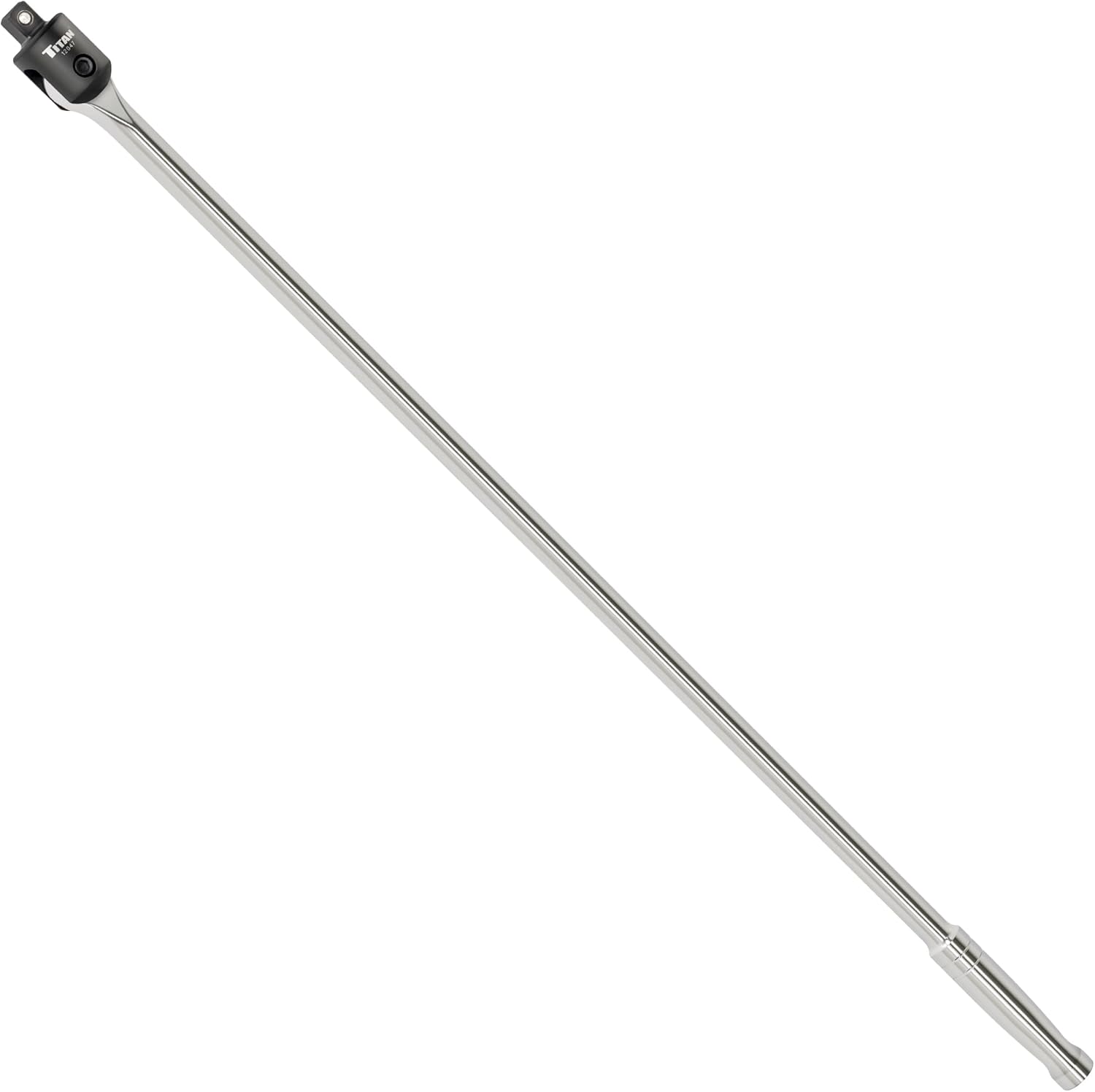

Inspect Belt Tracking and Pulley Alignment
A failing harmonic balancer often announces itself through the belt. Even if the balancer rubber damage is not obvious, the crank pulley may sit slightly out of plane and force the belt to track poorly.
What Good Alignment Looks Like
With the engine off, sight across the faces of the pulleys. The belt should sit centered in the crank pulley grooves and line up cleanly with the tensioner, alternator, water pump, and other accessories. Minor visual angle differences can be normal depending on layout, but the belt should not be climbing a flange or rubbing an edge.
Warning Signs
- The belt rides forward or backward only at the crank pulley.
- One edge of the belt is frayed or polished.
- The belt leaves black dust near the crank pulley.
- The crank pulley appears to sit farther in or out than neighboring pulleys.
If the crank pulley is the only one obviously out of line, the balancer becomes a strong suspect. If several pulleys are misaligned, you may also have a bent bracket, failing tensioner, or incorrectly installed accessory.
Running Inspection for Wobble and Movement
After the engine-off check, start the engine and observe the balancer from a safe angle. Never place your hands near the belt while the engine is running. Use a light and stand off to the side if space is tight.
Watch for Radial Wobble
The outer edge of the balancer should rotate smoothly with no side-to-side dance and no egg-shaped motion. A tiny amount of visual runout can sometimes come from viewing angle, but obvious wobble is not normal. If the pulley face moves in and out or the outer ring appears to orbit rather than spin true, the balancer likely has separated or the hub is no longer seated correctly.
Listen for Matching Noises
A bad balancer may produce a rhythmic chirp, scraping sound, or dull knock that changes with RPM. If the belt tensioner is bouncing while the crank pulley wobbles, that is another clue the balancer is disturbing belt motion.
Check Behavior During a Light Throttle Blip
If safe to do, have a helper lightly raise engine speed while you watch from the side. Wobble, flutter, or belt wander that becomes more obvious with RPM is a strong fail sign. Stop the test immediately if the belt begins walking off a pulley or the balancer looks close to separating.
Closer Inspection With the Belt Removed
If the visual and running checks are inconclusive, removing the serpentine belt can make the problem easier to isolate. This also lets you verify that noise or wobble is not being caused by another accessory.
Before Removing the Belt
Take a belt-routing photo or locate the routing diagram under the hood. Release belt tension using the proper tool and remove the belt. Inspect the belt itself for edge wear, glazing, cracks, or rib damage. Belt damage can support the diagnosis but does not replace checking the balancer.
Spin and Feel Surrounding Components
With the belt off, spin idler pulleys, the tensioner pulley, alternator pulley, and other driven accessories by hand where possible. Any rough bearing or seized component can mimic balancer symptoms. This step helps you avoid blaming the crank pulley for a separate front-end drive problem.
Rotate the Engine Slightly by Hand if Needed
Using the correct socket on the crank bolt, rotate the engine by hand only in the normal direction if your manufacturer allows it. Watch the balancer as it turns. This can reveal cracks hidden at one position, damaged grooves, or outer ring movement that was hard to see with the belt installed.
Do not use excessive force. If the crank bolt is extremely tight and your only goal is inspection, it is fine to stop and rely on the visual evidence you already have.
Recommended Tools for This Job



Pass or Fail Criteria
A Harmonic Balancer Generally Passes Inspection If
- The rubber isolator is intact with no cracks, missing chunks, or bulging.
- The outer ring is centered and shows no sign of slipping.
- The pulley grooves are undamaged and the belt tracks normally.
- The balancer rotates true with no visible wobble at idle or light revs.
- There are no matching noises, residue, or signs of hub movement.
The Balancer Fails Inspection If
- The rubber is cracked, separating, protruding, or oil-soaked and deteriorated.
- The outer ring has shifted, timing marks have slipped, or the pulley no longer aligns with the belt path.
- You can see wobble, orbiting motion, or face runout while the engine runs.
- The belt repeatedly walks, chirps, or sheds dust specifically at the crank pulley.
- The center area shows movement marks or the balancer appears loose on the crankshaft.
There is no practical repair for a separated rubber damper. If it fails inspection, replacement is the correct fix.
What Else Can Be Mistaken for a Bad Harmonic Balancer
Several other issues can create similar symptoms, so it helps to keep a short suspect list while inspecting.
- A worn belt tensioner that allows belt flutter.
- A bad idler pulley bearing causing chirp or wobble appearance.
- An alternator, water pump, or AC compressor pulley with excessive runout.
- Damaged engine mounts transmitting vibration into the body.
- An oil leak from the front crank seal that softens the balancer rubber.
- Improperly installed aftermarket pulley components.
If the balancer looks sound but symptoms remain, continue diagnosing the rest of the front accessory drive. If the balancer is visibly compromised, though, replace it first before chasing smaller secondary effects.
When to Replace It Immediately
Some wear signs mean the car should not be driven any farther than necessary. A balancer that is coming apart can throw the belt, damage nearby components, or in severe cases harm the crankshaft snout or keyway.
- The outer ring is visibly separated from the hub.
- The pulley wobbles enough to move the belt side to side.
- Rubber is actively protruding or shedding pieces.
- The belt is jumping grooves or walking off the pulley.
- The crank pulley no longer lines up with the rest of the accessory drive.
If any of these are present, replace the balancer and inspect the serpentine belt, tensioner, nearby pulleys, and front crank seal at the same time. On some engines it makes sense to replace the belt proactively because a damaged or oil-contaminated belt may not survive long after the repair.
Helpful Service Tips During Replacement Planning
Inspection often leads straight to replacement planning, so a few practical notes can save trouble. Many harmonic balancers require a puller for removal and an installer tool for correct installation. Hammering one on can damage the crankshaft thrust surfaces or the new balancer.
Always check whether your engine uses a torque-to-yield crank bolt or specifies bolt replacement. Follow the factory torque sequence and angle specs exactly. Also inspect for the root cause if the old balancer failed early, especially oil contamination from the front main seal, severe belt tension problems, or a long-running misalignment issue.
If access is difficult because of the radiator fan, splash shields, or tight frame clearance, this may be one of those jobs where inspection is DIY-friendly but full replacement is better left to a shop unless you already have the right tools.
Key Takeaways
- Replace the harmonic balancer if you see rubber separation, outer-ring slip, or visible pulley wobble.
- Check belt tracking and crank pulley alignment because a bad balancer often shows up as belt chirp, dust, or edge wear first.
- Do the first inspection with the engine off and cool, then confirm with a careful running check from a safe distance.
- Remove the serpentine belt if needed to rule out idler, tensioner, or accessory pulley problems before replacing parts.
- Do not keep driving if the balancer is coming apart, because belt loss and crankshaft damage can follow quickly.
FAQ
Can I Drive with a Worn Harmonic Balancer?
Maybe for a very short distance if symptoms are mild, but it is not a good idea. If the balancer is cracked, wobbling, or separating, it can throw the belt, damage accessories, and possibly harm the crankshaft. Visible separation means it should be repaired before regular driving.
What Does a Bad Harmonic Balancer Sound Like?
It can cause a chirp, squeal, scraping sound, rhythmic thump, or vibration-related noise from the front of the engine. The exact sound depends on whether the failure is causing belt misalignment, pulley wobble, or contact with nearby parts.
Is Pulley Wobble Always Caused by the Harmonic Balancer?
No. Wobble can also come from a bad tensioner, bent accessory pulley, failing bearing, or improper installation. But if the wobble is clearly centered at the crank pulley and the balancer rubber shows damage, the balancer is a prime suspect.
How Do I Know if the Outer Ring Has Slipped?
Common clues include timing marks that no longer make sense, a pulley that sits out of line with the other accessories, and a visible shift between the hub and outer ring. Rubber bulging or cracking often appears with outer-ring slip.
Should I Replace the Serpentine Belt when Replacing the Harmonic Balancer?
It is often smart to do so, especially if the old belt shows fraying, glazing, cracking, or contamination. A failing balancer can damage the belt, and reinstalling a worn belt can cause new noise or tracking problems after the repair.
Can Oil Leaks Damage a Harmonic Balancer?
Yes. Oil from a front crank seal leak can soak the rubber isolator and speed up deterioration. If the balancer failed and you see oil in that area, inspect the front seal so the new balancer does not suffer the same problem.
Do All Engines Use a Rubber-isolated Harmonic Balancer?
No. Designs vary by engine. Many street vehicles use a rubber-isolated damper, while some engines use different damping methods or pulley arrangements. The inspection logic is similar: look for cracks, separation, runout, and misalignment.
Need Parts for This Repair?
The right parts and supplies vary by vehicle.
Select your make and model to find compatible parts and accessories for your car.
Exact Fit
Parts that fit your make and model
Quality You Can Trust
Top brands and OEM quality options
Fast Shipping
Get the parts you need, delivered fast