

Note: This article contains affiliate links. If you click on these links and make a purchase, I may earn a small commission at no extra cost to you. This helps support my research and content. Read my full affiliate disclosure here.
If you drive a Chevrolet Silverado 1500 through snowy roads or icy commutes, choosing the right winter tire changes how the truck handles and how confident you feel behind the wheel. The Silverado 1500 carries heavy loads and towing duties that demand winter tires with proper load ratings, durable winter compounds, and tread patterns tuned for deep snow and slush.This guide covers six shortlisted winter tires that suit common Silverado 1500 fitments and use cases. We evaluated traction in snow and ice, rubber compound durability, and size and load compatibility so you can pick a set that balances stopping power, wear life, and driving comfort. Read on for practical fitment notes and installation considerations before the product list below.
Looking for other parts? See all Chevrolet Silverado 1500 parts & accessories.
Top Picks at a Glance
| Best Overall The best all-around choice for most situations | Cooper Discoverer Snow Claw Winter LT265/70R17 121/118R Tire | 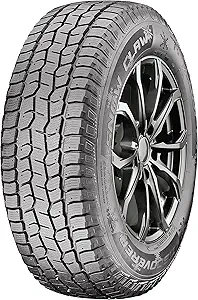 |
| Best Quality Built to a higher standard if you want something more solid | Nokian Hakkapeliitta LT3 Studded Winter Tire LT265/70R17 |  |
| Best Value The sweet spot between price and what you get | Bridgestone Blizzak LT Winter Commercial Light Truck Tire LT245/75R16 |  |
| Best Budget The cheapest option that still gets the job done reliably | Firestone Winterforce 2 UV Studdable Winter Tire P235/75R15 XL |  |
| Highest Rated A top-rated pick with lots of positive feedback | Dunlop Winter Maxx SJ8 275/65R18 Winter Tire |  |
| Most Popular A crowd favorite that many people choose with confidence | Nexen Winguard Winspike 3 Winter Tire — 275/65R18 |  |
1. Cooper Discoverer Snow Claw Winter LT265/70R17 121/118R Tire

| Rim Size | 17 Inches |
|---|---|
| Load Index | 121 |
| Speed Rating | R |
| Tread Type | Non-Directional |
| Seasons | Winter |
The Cooper Discoverer Snow Claw is a winter tire built for light trucks and full-size pickups that need reliable traction in heavy snow and on ice. Its compound stays pliable in very cold temperatures and the tread uses Snow Groove Technology to trap snow for improved snow-on-snow grip; the tire is also studdable for added ice performance. With a 10-ply construction and a high load index, it suits heavier Silverado duty and towing in winter weather. In use you can expect strong acceleration and braking on packed snow and confident handling in deep drifts, while reviewers report a surprisingly smooth ride for a winter tire. Downsides include variability in longevity reported by some owners and the increased road noise and wear typical of aggressive winter treads versus all-season tires. It is a purpose-built winter solution rather than an all-year tire, so you should switch back to a dedicated summer or all-season tire when conditions warm up.
Best for: Drivers of full-size trucks who prioritize maximum winter traction and confidence for commuting, towing, or travel through heavy snow and icy roads and who plan to run a dedicated winter tire set seasonally.
Less Ideal for: Drivers who want a single set of tires for year-round use or who rarely encounter snow and ice should consider touring or all-season options instead.
- Severe Weather Rated and Three-Peak Mountain Snowflake certified for proven snow acceleration and traction
- Studdable design for improved ice performance when needed
- Snow Groove Technology improves snow-on-snow grip for better braking and climbing
- 10-ply construction and high load index suited to light truck and full-size pickup loads
- Designed specifically for winter use so it is not appropriate for year-round driving
- Aggressive winter tread can produce more road noise and faster wear on dry pavement
Verdict: If you need a heavy-duty winter tire for a Silverado that bites into deep snow and can be studded for ice, the Discoverer Snow Claw delivers confident winter traction.
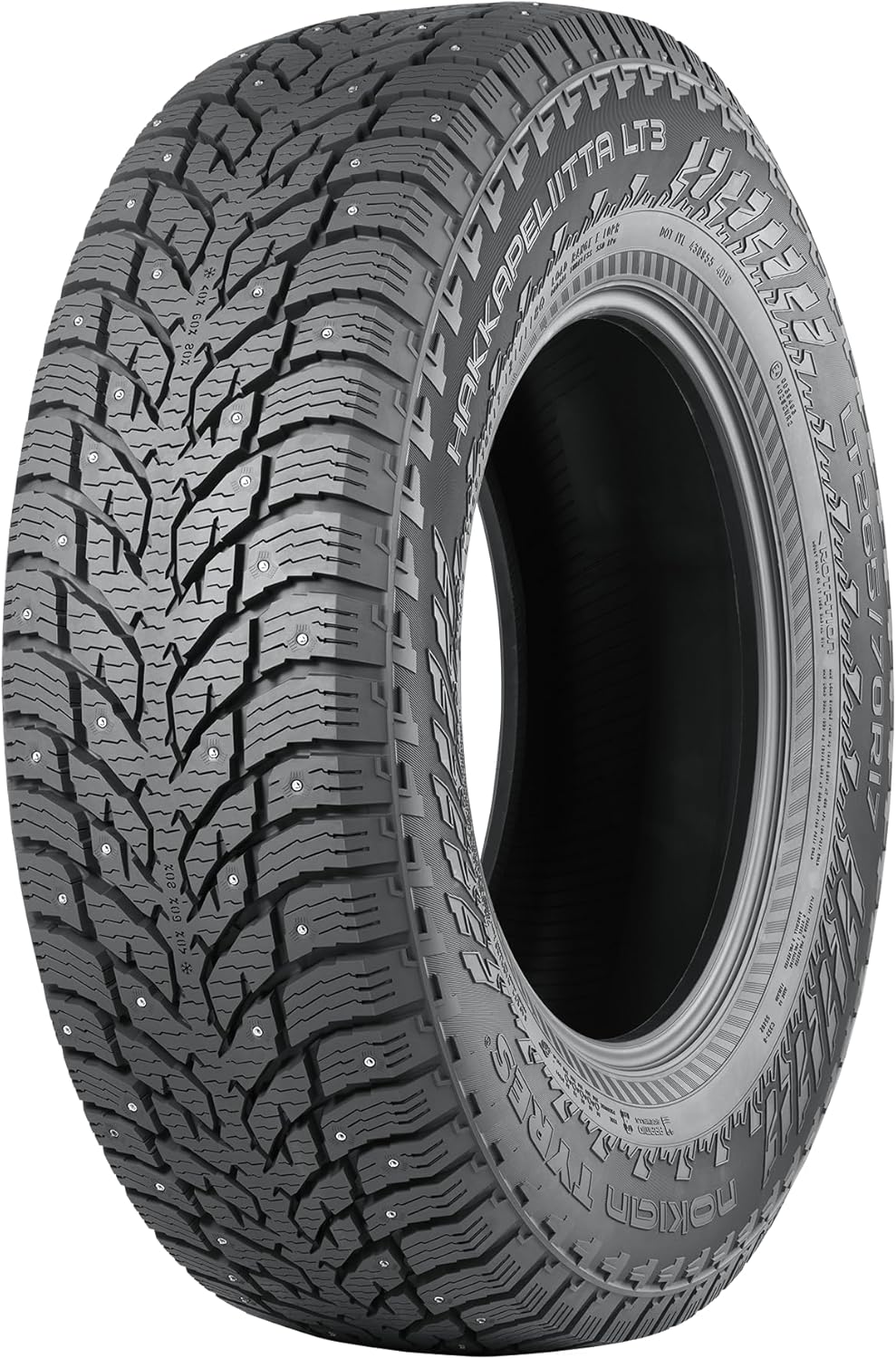
2. Nokian Hakkapeliitta LT3 Studded Winter Tire LT265/70R17
| Size | LT265/70R17 |
|---|---|
| Tread Depth | 16.5 32nds |
| Ply | 10-Ply |
| Speed Rating | Q |
| Seasons | Winter |
The Nokian Hakkapeliitta LT3 is a studded winter tire designed for light trucks and SUVs that need maximum grip on ice and packed snow. It uses a specialized Arctic Grip compound and an aggressive asymmetrical tread to deliver predictable braking and lateral control on frozen surfaces, while studs provide extra bite where traction matters most. The tire’s 10-ply construction and aramid-reinforced sidewalls add resistance to cuts and impacts, which is useful for Silverado duty cycles that include plowed lots, winter worksites, or towing in cold conditions. Expect a firmer ride and more road noise compared with all-season or highway winter tires, and do not use studs or this tire when temperatures stay above about 45 degrees Fahrenheit. Fitment in LT265/70R17 and a high load index make it suitable for heavy Silverado loads, but owners who spend much driving time on clear dry pavement should weigh the studded traction against increased wear and noise.
Best for: Drivers who need maximum winter traction on a Silverado used for heavy-duty or work-related winter driving and prioritize ice performance and durability over comfort.
Less Ideal for: Commuters who drive mostly on cleared roads or in milder winter climates should consider quieter, non-studded winter tires instead.
- Excellent ice and packed-snow traction thanks to studs and Arctic Grip compound
- Reinforced sidewalls with aramid fibers improve cut and impact resistance for work use
- 10-ply construction and high load index support heavy loads and towing
- Aggressive tread design reduces slushplaning and enhances straight-line stability
- Studded design increases road noise and can accelerate wear on clear pavement
- Not intended for use in consistently warm conditions above about 45 degrees Fahrenheit
Verdict: Choose these studded Hakkapeliitta LT3 tires for a Silverado when uncompromising ice and snowy-worksite traction and rugged sidewall durability are your top priorities.
3. Bridgestone Blizzak LT Winter Commercial Light Truck Tire LT245/75R16

| Size | LT245/75R16 |
|---|---|
| Load Capacity | 3042 Pounds |
| Tread Depth | 17 32nds |
| Load Range | E |
| Maximum Pressure | 80 Pound per Square Inch |
The Bridgestone Blizzak LT is a winter commercial light truck tire built to keep work trucks moving in severe winter conditions. Its rugged LT compound and deep tread (17/32nds) are engineered for improved snow and ice grip while straight outer grooves and a zigzag center groove help evacuate water and slush to reduce hydroplaning risk. You would use this tire on a Silverado 1500 when you need dependable winter traction for hauling, plowing, or frequent cold-weather driving; the load range E and high maximum pressure support heavier loads typical of light truck duty. The tire emphasizes durability and extended seasonal life compared with prior Blizzak models, but it is a specialized winter design so expect louder road noise and reduced year-round fuel efficiency versus an all-season tire. Fitment in LT245/75R16 makes it a direct replacement where that size and load rating are required for the vehicle and application.
Best for: Buyers who prioritize reliable winter performance and durability for a Silverado used for work, towing, or frequent winter driving and who want a tire built to handle heavier loads.
Less Ideal for: Drivers who need a quiet, fuel-efficient year-round tire or who store the truck during winter and prefer a single all-season option.
- Designed for heavy-duty winter traction on snow and ice
- Commercial-grade construction and load range E for heavier use
- Tread features that help evacuate water and slush to reduce hydroplaning
- Deeper tread depth for extended winter use compared with some predecessor models
- Specialized winter compound and tread increase road noise and reduce fuel economy in non-winter conditions
Verdict: If you need dependable, commercial-grade winter traction for a Silverado 1500 that carries heavy loads or works in severe winter conditions, the Blizzak LT is a sensible, durable choice.
4. Firestone Winterforce 2 UV Studdable Winter Tire P235/75R15 XL

| Size | P235/75R15 |
|---|---|
| Load Capacity | 2183 Pounds |
| Tread Depth | 12 32nds |
| Load Range | XL |
| Construction Type | Radial |
The Firestone Winterforce 2 UV is a studdable winter tire built for light trucks and SUVs and aims to deliver reliable winter traction on snow and ice. It uses a cold-weather rubber compound, open shoulder slots and a directional tread pattern and carries the 3-Peak Mountain Snowflake certification for winter conditions; studs can be pinned in size #11 holes for extra ice grip. In real-world use it provides confident braking and traction in snowy and icy conditions and the full-depth tread features extend usable tread life across multiple winters. Expect a firmer ride and reduced tread life if driven extensively on gravel or hot dry pavement during nonwinter months. This tire is a practical choice when winter performance is the priority and you want the option to add studs for icy roads, but it is not aimed at maximizing year-round mileage or quiet highway refinement.
Best for: A Chevrolet Silverado 1500 driver who needs dependable winter traction and wants a budget-friendly tire that can be studded for icy roads while still offering reasonable multi-season durability when stored and swapped appropriately.
Less Ideal for: Drivers who prioritize quiet highway manners, maximum treadlife for year-round use, or who rarely encounter snow and ice should consider a highway or all-season tire instead.
- 3-Peak Mountain Snowflake certification for verified winter performance
- Special cold-weather compound and directional tread for improved grip on snow and ice
- Designed to be studdable (pinned for size #11 studs) for enhanced ice traction
- Full-depth tread features intended to extend usable tread life across winters
- Not optimized for high-mileage wear or prolonged driving on gravel and hot pavement
Verdict: Choose this tire if you want an affordable, studdable winter tire that gives proven snow and ice grip for a Silverado 1500 without paying premium winter-tire prices.
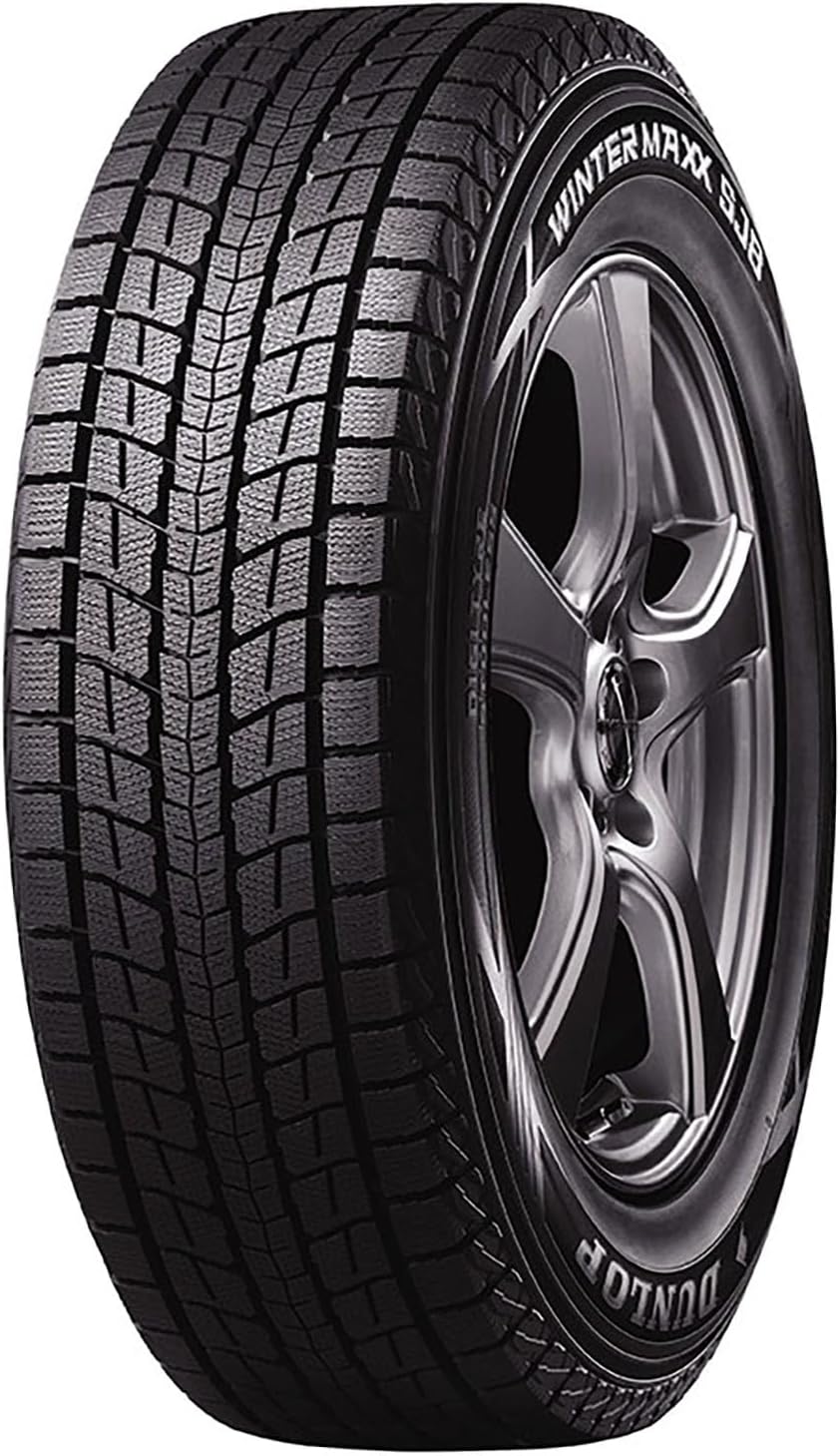
5. Dunlop Winter Maxx SJ8 275/65R18 Winter Tire
| Size | 275/65R18 |
|---|---|
| Tread Depth | 14 32nds |
| Rim Width | 8 Inches |
| Speed Rating | R |
| Seasons | Winter |
The Dunlop Winter Maxx SJ8 is a winter-focused radial tire built to improve traction on snow and ice for larger vehicles. It uses a Nano-Fit rubber compound that stays flexible in cold temperatures and Miura-Ori plus Maxx Sharp Edge sipes to increase bite on slippery surfaces while grooves channel slush and water to reduce hydroplaning. In practice the tire is intended to be mounted seasonally on 18-inch wheels for CUVs and SUVs and provides firmer braking and more predictable cornering in winter conditions compared with all-season or all-terrain tires. Buyers should expect quieter, stable road manners for normal winter commuting, but like most soft-compound winter tires, grip will lessen as the sipes wear. Also note the listed speed rating and load index are tuned for winter use and differ from some factory fitments, so confirm compatibility with your Silverado 1500 wheel and load requirements before fitting.
Best for: Drivers who prioritize safe, reliable winter performance on a Silverado 1500 and prefer a dedicated seasonal tire to improve braking and control on snow and ice.
Less Ideal for: Drivers who need an all-season tire for year-round use or who prioritize high-speed highway performance and towing capacity over winter grip.
- Designed for cold temperatures with a Nano-Fit compound that maintains flexibility for better winter traction
- Aggressive siping pattern and specialized tread grooves that improve grip on ice and evacuate slush to reduce hydroplaning risk
- Tread depth of 14/32nds gives a strong initial biting edge for snow performance
- Available in 275/65R18 size which fits many 18-inch Silverado 1500 wheel setups
- Speed rating R is lower than some factory tires which may reduce high-speed rating compared with stock highway tires
Verdict: Choose the Winter Maxx SJ8 when you want a purpose-built winter tire that delivers dependable snow and ice traction for an 18-inch-equipped Silverado 1500.
6. Nexen Winguard Winspike 3 Winter Tire — 275/65R18

| Size | 275/65R18 |
|---|---|
| Tread Depth | 11 32nds |
| Maximum Pressure | 51 PSI |
| Construction Type | Radial |
| UTQG | 400 AA A |
The Winguard Winspike 3 is a studdable winter tire built to deliver grip and control in severe winter conditions. It uses an advanced winter rubber compound and dense siping to keep the tread flexible in sub-freezing temperatures, while a directional pattern with deep grooves helps evacuate water and slush. The tire is Three-Peak Mountain Snowflake certified, so it is intended for genuine snow and ice performance rather than marginal winter conditions. Nexen offers optional studs for added bite on ice and backs the tire with a Total Coverage Warranty that includes 36 months of roadside assistance. Practical benefits include confident starts and stops on packed snow and improved control in slushy driving. Limitations to consider are mixed user reports about occasional unexplained flats and that a soft winter compound will wear faster if used year-round, so these should be fitted and used as a seasonal tire only on a Silverado 1500 sized for 275/65R18 rims.
Best for: A Silverado 1500 owner who prioritizes documented winter traction and social proof from other buyers and wants a season-specific tire that can be studded for extra ice grip.
Less Ideal for: Drivers who need a year-round tire or who avoid seasonal tire changes should consider an all-season or dedicated highway tire instead.
- Studdable design for optional added ice traction
- Three-Peak Mountain Snowflake certification for true winter performance
- Directional tread and deep grooves that help evacuate water and slush
- Dense siping and winter compound that stay flexible in cold temperatures
- Some customers report unexplained flats on a small number of units
- Softer winter compound will wear quickly if driven in warm months
Verdict: If you want a proven, studdable winter tire for a Silverado 1500 that prioritizes real-world snow and ice performance, the Nexen Winspike 3 is a strong, budget-friendly choice.
Choosing the Right Chevrolet Silverado 1500 Winter Tire: Key Factors to Consider
Load Index and Speed Rating
Ensuring the tire has the correct load index is critical for the Silverado 1500 because the truck often carries cargo or tows trailers. A tire with too low a load rating risks excessive heat buildup, faster wear, and potential failure under load. Always match or exceed the vehicle manufacturer's recommended load index and consider the heavier end of the rating range if you frequently tow or haul.
Speed rating matters less for winter performance but indicates the tire's construction strength. For a full-size pickup, choose winter tires with speed and load combinations that preserve handling stability and structural integrity at highway speeds, especially when the truck is loaded.
Tread Compound and Temperature Range
Winter-specific rubber compounds remain flexible in low temperatures to maintain grip on cold pavement and ice. Harder all-season compounds can stiffen in winter and lose traction, increasing stopping distances. Look for compounds optimized for the typical temperature range in your region; very cold climates demand softer, more flexible mixtures.
Compound choice also affects wear life. Softer winter compounds offer better grip but can wear faster on plowed or dry roads. For mixed winter conditions with regular dry driving, consider a compromise compound that balances traction and longevity.
Tread Pattern and Snow Evacuation
Tread design governs how well a tire bites into fresh snow and clears slush. Deep, wide grooves and multiple lateral channels help evacuate snow and prevent packing, preserving contact with the road. Sipes increase biting edges for ice and packed snow traction.
For the Silverado 1500, prioritize patterns that resist stone retention and have robust shoulder blocks to maintain stability under lateral loads. Aggressive winter patterns improve off-road snow capability but may trade some on-road quietness and rolling resistance.
Studdable Vs Non-Studded Options
Studded winter tires offer superior bite on ice in regions with frequent freezing rain or polished ice surfaces. Studs can dramatically shorten stopping distances on pure ice but may increase road noise and damage paved surfaces when studs contact bare pavement.
Non-studded designs rely on advanced rubber compounds and siping to deliver ice traction while remaining street friendly. Choose studded options only where ice is a recurring hazard and local regulations allow studs. Otherwise, modern non-studded winter tires often provide excellent overall winter performance with fewer tradeoffs.
Tire Size Fitment and Compatibility
Selecting the correct tire size is essential to preserve speedometer accuracy, ground clearance, and suspension geometry. Silverado 1500 owners should confirm factory wheel size and any aftermarket fitments before buying. Minor changes in diameter can affect gearing and clearance when loaded or towing.
Also check the recommended rim width range for the tire and verify that the load index matches your truck's configuration. If you use larger wheel and tire packages, ensure winter tires in those sizes are available with appropriate load ratings for the Silverado 1500.
Tread Depth and Wear Expectations
Initial tread depth affects snow-handling capability; deeper tread gives more room to clear snow and maintain biting edges. Over time, tread depth decreases and winter performance declines, so initial depth and the tire's expected wear rate influence replacement intervals.
Consider tires with protective features against chunking and irregular wear, since heavy loads and towing can accelerate tread loss. Plan for earlier replacement if your driving includes a lot of plowed roads or extended highway mileage in winter months.
Size and Fitment Checklist for Silverado 1500 Owners
Before you buy winter tires, confirm the Silverado 1500's factory wheel diameter, recommended load index, and any offsets used with aftermarket wheels. The truck's trim and suspension options can change recommended sizes, so consult the vehicle placard or owner manual.
If you run larger wheels or lift kits, verify that winter tires are offered in the required diameters with suitable load ratings. Pay attention to overall diameter so there is clearance for full suspension travel while loaded or towing.
- Record factory tire size and load index from the door placard.
- Check rim width limits stamped on the wheel and match tire bead seating.
- Allow clearance for wheel travel when using larger tires or wheel spacers.
Studded Tires: When They Make Sense
Studded tires add metal studs into the tread for extra bite on polished ice and hard-packed surfaces. They are most useful for drivers who regularly encounter black ice, mountain passes, or long stretches of untreated roads.
Consider local regulations because many jurisdictions restrict studded tire use during parts of the year. Also weigh the tradeoff of increased road noise and faster wear on cleared pavement.
- Best for regions with frequent freezing rain or persistent ice.
- May be restricted seasonally by local law.
- Often noisier and can increase wear on dry roads.
Installation and Mounting Considerations
Have winter tires installed by a qualified technician who checks wheel balance, torque specifications, and valve condition. Proper mounting reduces vibration and uneven wear and ensures the tires perform as intended in winter conditions.
If you use a winter wheel package, store your summer wheels with the mounted tires properly labeled to speed seasonal swaps and preserve correct fitment. Ask the installer to inspect brakes and suspension components while the wheels are off, since winter conditions can accelerate wear.
- Always torque lug nuts to manufacturer spec after installation.
- Balance and alignment checks improve wear and handling.
- Consider a set of dedicated winter wheels to simplify seasonal changes.
Tire Pressure and Cold-Weather Maintenance
Tire pressure drops as temperatures fall, reducing contact patch and grip. Check pressure when tires are cold and re-inflate to the vehicle manufacturer's recommended values. Monitor pressure more frequently during rapid temperature swings.
Inspect tires for cuts, bulges, and uneven wear before winter and after heavy trips. Proper maintenance extends life and preserves winter performance under load.
- Check pressure at least once a month in winter and before long trips.
- Adjust pressure for heavy loads according to manufacturer guidance.
- Rotate tires on schedule to maintain even wear.
Tread Depth Monitoring and Replacement Timing
Tread depth directly affects snow traction. As grooves wear, the tire's ability to channel slush and maintain biting edges diminishes. Measure tread depth periodically and plan to replace tires before they fall below safe winter depths.
Keep in mind that studs, if present, lose effectiveness as tread wears. Replace tires when tread and stud performance no longer meet safe braking and handling distances in winter conditions.
- Target replacement before tread reaches 4/32 inch for heavy winter duty.
- Use a tread gauge or the built-in wear indicators to check depth.
- Factor towing and payload into replacement timing.
How We Chose the Best Chevrolet Silverado 1500 Winter Tire
We focused on attributes that matter for a full-size pickup truck such as the Chevrolet Silverado 1500 and applied consistent editorial filters to narrow the field to reliable winter tires. Primary evaluation criteria included traction on packed snow and black ice using tire design and compound characteristics; load and speed ratings to ensure each option can handle common Silverado 1500 configurations; and tread design features that evacuate slush and maintain bite. We also weighed treadwear and expected durability under heavier curb weights and towing loads, plus wet braking performance and hydroplaning resistance.Fitment was a decisive filter: we only considered tires available in sizes and load indexes commonly specified for the Silverado 1500. Noise and ride comfort were secondary factors because long highway driving and daily use matter to many owners. Finally, we screened out tires that lacked adequate winter-rated certification or did not offer sizes to meet typical Silverado 1500 wheel and load requirements. Excluded items included any products without suitable load ratings, tires intended exclusively for passenger cars, and specialty racing or off-road tires that do not prioritize winter traction.
Our full evaluation process is outlined in our review methodology.
FAQ
How do I know when to switch to winter tires on my Silverado 1500?
Switch when average daily temperatures consistently fall below about 45 degrees Fahrenheit, because winter compounds perform better in colder conditions. Also consider local weather patterns and upcoming snow or ice forecasts.
Can I use a smaller or larger winter tire size on the Silverado 1500?
Minor size changes are possible but should preserve overall diameter and match the wheel width and load index. Large deviations can affect speedometer accuracy, clearance, and load capacity, so consult the vehicle placard or a tire professional.
Are studded winter tires legal everywhere?
Laws vary by state and municipality. Some areas restrict studded tires seasonally or ban them due to road wear. Check local regulations before choosing studded options.
How often should I check tire pressure in winter?
Check pressure at least once a month and before long trips; more frequent checks help because cold temperatures cause noticeable pressure drops. Correct pressure ensures optimal contact patch and wear.
Will winter tires wear faster on dry roads?
Softer winter compounds can wear faster on extensive dry pavement, especially when carrying heavy loads or towing. If you do a lot of dry driving, look for compounds that strike a balance between grip and durability.
Do I need special wheels for winter tires?
You do not strictly need special wheels, but a dedicated set of steel or spare winter wheels simplifies seasonal mounting, reduces repeated mounting labor, and preserves your primary wheels from road salt and corrosion.
Final Verdict
Prioritize correct fitment, load rating, and winter-specific compound when choosing tires for a Chevrolet Silverado 1500. Balance the need for deep-snow and ice traction against expected wear and road noise, and choose studded tires only if ice is a regular hazard and local rules permit them. Plan for professional installation, regular pressure checks, and timely replacement based on tread depth and wear patterns so your truck stays safe and predictable through the winter months.
Explore More:
- Check out all Chevrolet Silverado 1500 parts & accessories
- Explore Winter Tires Maintenance & Repair Guides
- Explore Wheels & Tires
- Browse all Auto Parts
