
Note: This article contains affiliate links. If you click on these links and make a purchase, I may earn a small commission at no extra cost to you. This helps support my research and content. Read my full affiliate disclosure here.
If your 1997-2003 Ford F-150 has a soft or inconsistent brake pedal, swapping the brake booster can return confident stopping power and predictable pedal feel. A worn or leaking booster directly affects vacuum assist and brake balance on this generation of F-150, so choosing the right replacement matters for safety and drivability. This guide presents six shortlisted brake boosters that fit the 1997-2003 F-150. We focus on fitment, vacuum performance, and build quality so you can pick a unit that restores factory-assist behavior. Read on for the evaluation criteria and practical considerations that affect installation and long-term reliability.
Looking for other parts? See all Ford F-150 parts & accessories.
Top Picks at a Glance
| Best Quality Built to a higher standard if you want something more solid | Ford Brake Booster F81Z2005CA |  |
| Best Value The sweet spot between price and what you get | maXpeedingrods Power Vacuum Brake Booster (fits select 1997–2004 Ford trucks and SUVs) |  |
| Best Budget The cheapest option that still gets the job done reliably | BRTEC Vacuum Power Brake Booster for Ford F-150 / Lobo (1997–1999) |  |
| Highest Rated A top-rated pick with lots of positive feedback | IRONTEK Vacuum Power Brake Booster (fits 1997–1999 Ford F-150, 1997–1998 Lobo) |  |
| Most Popular A crowd favorite that many people choose with confidence | IRONTEK Vacuum Power Brake Booster (fit Ford F-150 1999–2003, Expedition 1997–2008) |  |
| Best Seller A high-volume bestseller chosen again and again | Motorcraft BRB102 Brake Booster |  |
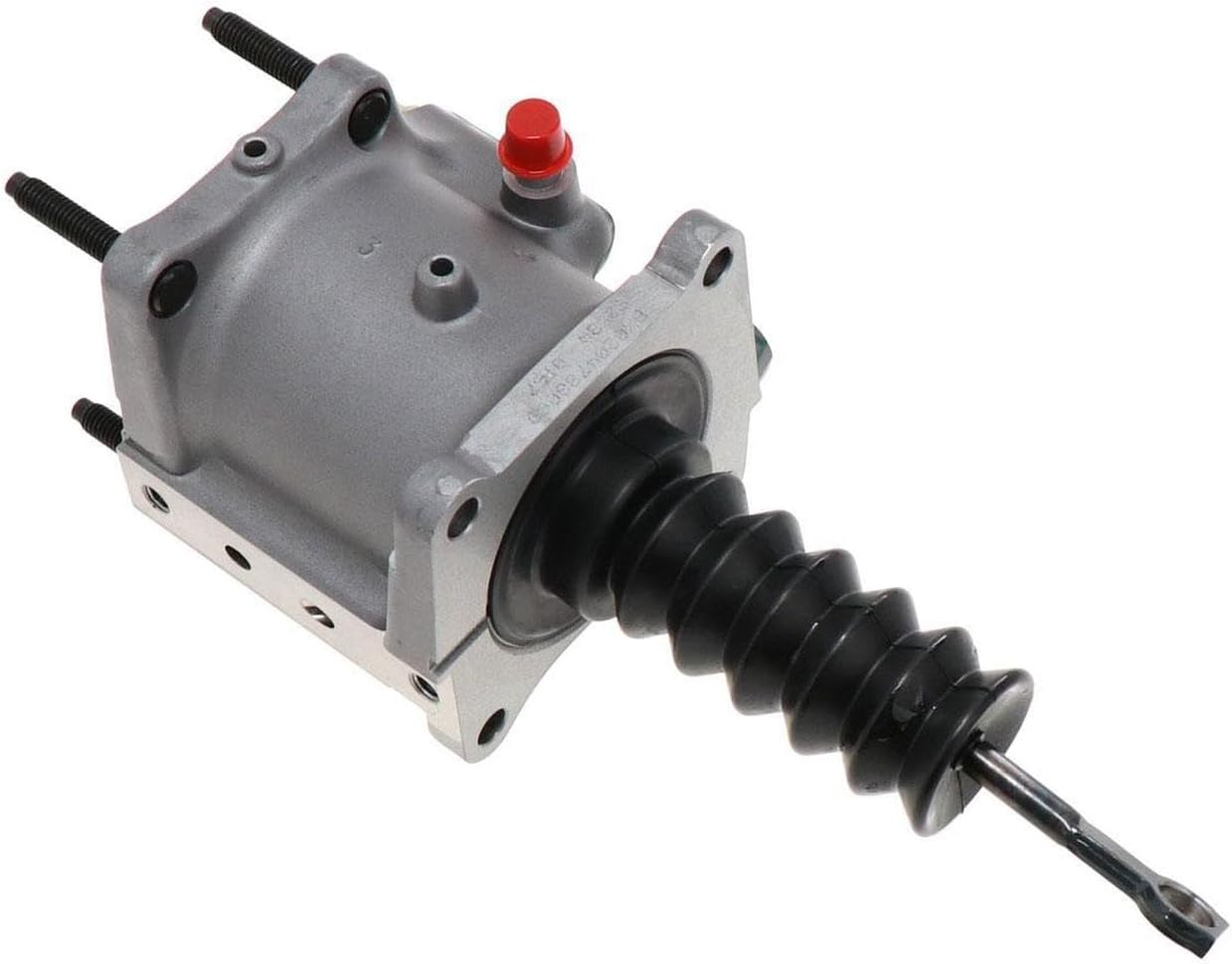
Ford Brake Booster F81Z2005CA
| Manufacturer | Ford Motor Company |
|---|---|
| Brand | Ford |
| Model | Brake Booster |
| Manufacturer Part Number | F81Z2005CA |
| OEM Part Number | F81Z-2005-CA |
This Ford brake booster is a direct replacement designed to bring back the power-assist feel on compatible Ford trucks. It installs in place of the original booster to re-establish firm pedal modulation and reduced pedal effort, which is critical for heavier trucks or when towing. As a manufacturer part, it matches factory mounting points and vacuum inlet locations so installation is straightforward for anyone comfortable with brake system work. The painted exterior helps resist surface corrosion and the unit is built to the same design Ford used from the factory, so expect predictable pedal travel and consistent assistance under normal driving and heavy-load conditions. Limitations are that it is a single component replacement only and does not include vacuum check valves, grommets, or bench testing tools, so budget for any small hardware you might need during installation. Also buyers should confirm exact fitment for 1997-2003 F-150 applications before ordering.
Best for: Buyers wanting a performance-consistent, factory-spec replacement to restore original power-assist braking on their 1997–2003 F-150, especially those who tow or carry heavy loads and prioritize predictable pedal feel.
Less Ideal for: If you want an upgraded performance booster with increased boost or an aftermarket design optimized for track braking, choose a performance-oriented aftermarket unit instead.
- Factory-designed unit that matches original mounting points for easier installation
- Restores factory-style power assist and pedal modulation for heavier loads
- Painted exterior offers basic resistance to surface corrosion
- Manufacturer part number makes fitment checking straightforward
- Ships as the booster only and may require additional small hardware or valve parts not included
- No included testing or installation accessories
Verdict: Choose this factory-style Ford booster to restore original power-assist braking and predictable pedal feel on a 1997–2003 F-150.
maXpeedingrods Power Vacuum Brake Booster (fits select 1997–2004 Ford trucks and SUVs)

| Item Type | Vacuum Power Brake Booster |
|---|---|
| Manufacturer | maXpeedingrods |
| Manufacturer Part Number | BN56SJ |
| Compatible Part Numbers | 54-74408, 5474408, 8L1Z2005A, F75Z2005AE, XL3Z2005CA, XLIZ2005AA |
This maXpeedingrods vacuum power brake booster is a direct-replacement unit intended to restore power assist on older Ford trucks and SUVs. It installs between the brake pedal and master cylinder to reestablish vacuum-assisted braking when the original booster fails. The unit lists compatibility with several Ford part numbers used on 1997–2004 F-150s, Expeditions, and related Lincoln models, and it ships as a single booster ready for mounting. In use it delivers the expected pedal assist and feels comparable to factory replacements when installed correctly. Practical touches include included mounting nuts, but buyers should verify their OEM part number before ordering since multiple boosters exist for some model years. Some customers reported minor packaging damage and small hardware sizing issues that required swapping supplied nuts or straightening a bent stud. For owners who want a lower-cost replacement that returns braking feel to factory-like performance, this booster is a sensible option as long as you confirm exact fitment and are prepared for a straightforward do-it-yourself swap or professional installation.
Best for: Practical owners wanting an affordable, functional replacement to restore factory-style braking on late 1990s to early 2000s Ford trucks and SUVs who will check fitment and handle or oversee a simple installation.
Less Ideal for: Buyers who need guaranteed perfect fit without any adjustment or those who prefer buying directly from a dealer for original factory-sourced parts.
- Direct-replacement design listed for many 1997–2004 Ford truck and SUV part numbers
- Restores vacuum power assist and returns brake pedal feel close to factory standards
- Ships as a complete booster ready for mounting, reducing the need for extra parts
- Lower-cost alternative to dealer-sourced factory replacements
- Packaging quality can be inconsistent, with reports of bent studs or loose parts on arrival
- Included fasteners may not match OEM sizes requiring replacement or additional tools
Verdict: A budget-friendly, direct-fit vacuum brake booster that reliably restores power assist for late 1990s–early 2000s Ford F-150 and related models when you confirm exact fitment.
BRTEC Vacuum Power Brake Booster for Ford F-150 / Lobo (1997–1999)

| Vehicle fitment | Ford F-150 1997-1999; Ford Lobo 1997-1998 |
|---|---|
| Reference numbers | 54-74225, F65Z2005AA, F85Z2005AA |
| Master cylinder stud thread | 3/8-16 |
| Diaphragm style | Single |
| Material | Cold-rolled steel housing |
This BRTEC vacuum power brake booster is a direct-replacement style unit designed to restore power-assisted braking on 1997–1999 Ford F-150 and 1997–1998 Ford Lobo trucks. It installs between the brake pedal and master cylinder and uses a reinforced multi-layer diaphragm and cold-rolled steel housing to resist leaks and corrosion that degrade vacuum assist. Typical use is a like-for-like replacement when the original booster fails or develops a vacuum leak; it does not include a master cylinder so the existing master is retained. The unit is built to factory-style fitment and uses 3/8-16 master cylinder stud threads to match common factory hardware, which helps simplify swapping it in. Practical benefits are improved pedal assist after installation and a corrosion-resistant internal coating intended to extend service life. Limitations to expect are variable longevity based on user reports and the need to reuse or buy a compatible master cylinder and mounting hardware if originals are damaged. This is a functional, budget-focused option for bringing brake assist back to older F-150s without extra upgrades.
Best for: Buyers who need an affordable, straightforward replacement to restore power brake assist on a late 1990s F-150 or Lobo and who prioritize a budget-friendly, factory-fit solution over premium upgrades.
Less Ideal for: Those seeking a long-term high-end performance booster or a complete brake system refresh including a new master cylinder should look at upgraded or full-kit options instead.
- Made for direct replacement on specified 1997–1999 F-150 and 1997–1998 Lobo fitments for easier installation
- Reinforced multi-layer diaphragm and steel housing aimed at reducing vacuum leaks
- Corrosion-resistant internal coating to help extend component life
- Factory-style fit and 3/8-16 master cylinder stud thread compatibility to match common mounting hardware
- Master cylinder not included so additional parts may be needed if original is worn or damaged
- Some customer reports indicate inconsistent longevity or early failure
Verdict: A budget-focused, factory-fit replacement booster that restores brake assist on late 1990s F-150s without requiring a master cylinder swap.
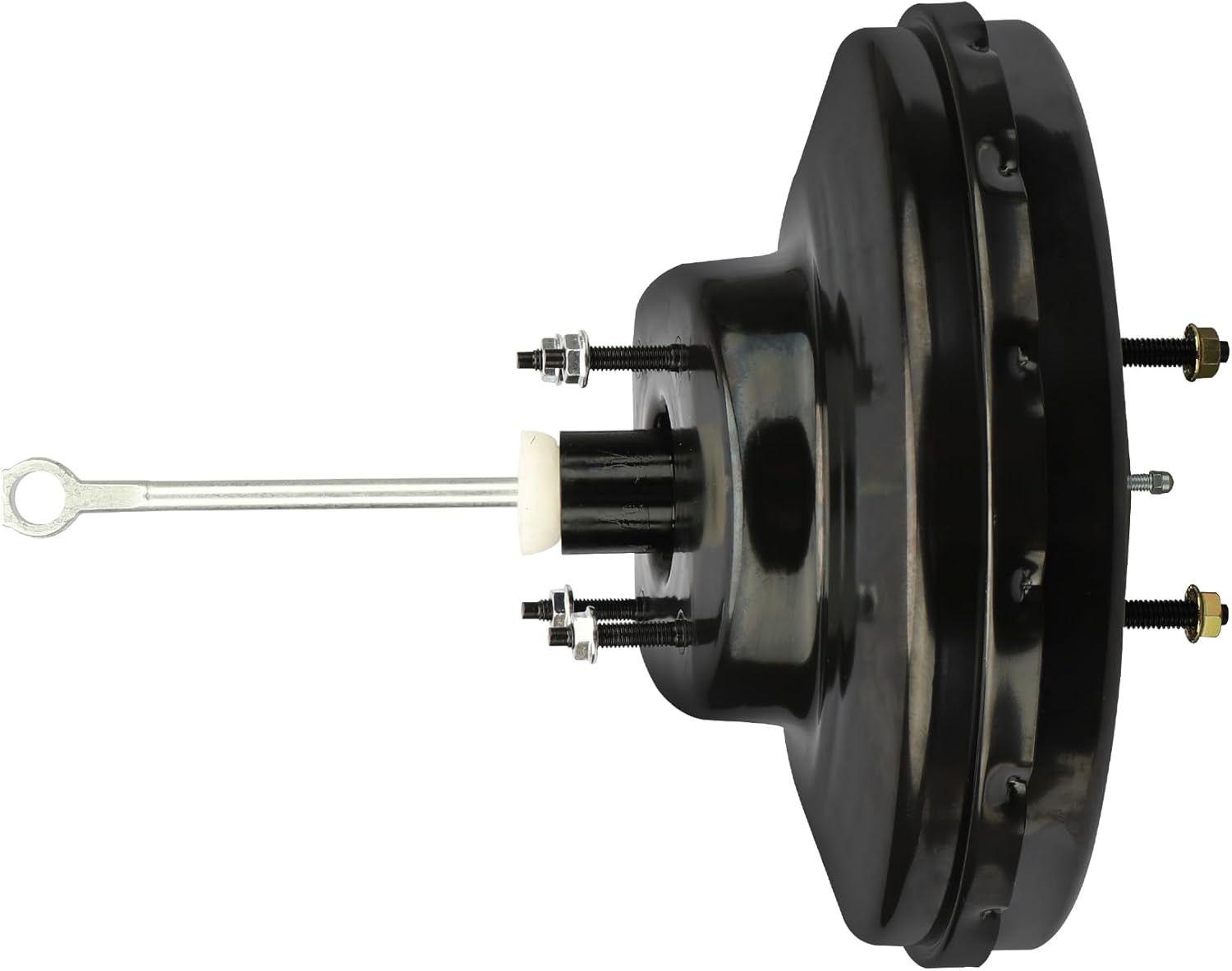
IRONTEK Vacuum Power Brake Booster (fits 1997–1999 Ford F-150, 1997–1998 Lobo)
| Replace Part Number | F65Z2005AA, F85Z2005AA, 54-74225 |
|---|---|
| Compatible Vehicles | 1997–1999 Ford F-150; 1997–1998 Lobo |
| Manufacturer | IRONTEK |
| Manufacturer Part Number | PBV8037 |
This IRONTEK vacuum power brake booster is a direct-fit replacement for 1997–1999 Ford F-150 and 1997–1998 Lobo models, intended to restore pedal assist and braking feel to factory-like operation. It is built to match original part numbers F65Z2005AA and F85Z2005AA and is tested for fitment, corrosion resistance, torque and spring-back, which helps ensure consistent performance after installation. Typical use is straightforward: swap the failed booster for this unit without modifying the mounting or brake lines, then bleed the system and check pedal travel. Notable features include claimed OE-spec manufacturing and a focus on exact fitment and quiet operation. The practical benefits are predictable braking response and easier pedal effort, making it suitable for restoring a worn or leaking booster. Limitations are that it is vehicle-specific so it only fits the stated F-150 and Lobo years and relies on proper installation and compatible master cylinder condition to achieve ideal results.
Best for: Buyers who prioritize reliable, factory-style replacement parts to restore original braking feel and want a straightforward swap without modifications.
Less Ideal for: If you plan to upgrade to performance braking systems or need a universal or multi-vehicle booster, this model is not a suitable choice.
- Designed to match original part numbers for direct replacement fit
- Manufactured and tested for fitment, corrosion, torque and spring-back
- Aims for quiet operation and consistent pedal assist
- Claims to follow OE-style specifications to restore factory braking feel
- Fitment is limited to the specified 1997–1999 F-150 and 1997–1998 Lobo models only
- Performance depends on the condition of the existing master cylinder and brake system components
Verdict: Choose this IRONTEK booster when you want a tested, direct-fit replacement to reliably restore factory braking feel on the specified 1997–1999 F-150 and 1997–1998 Lobo models.
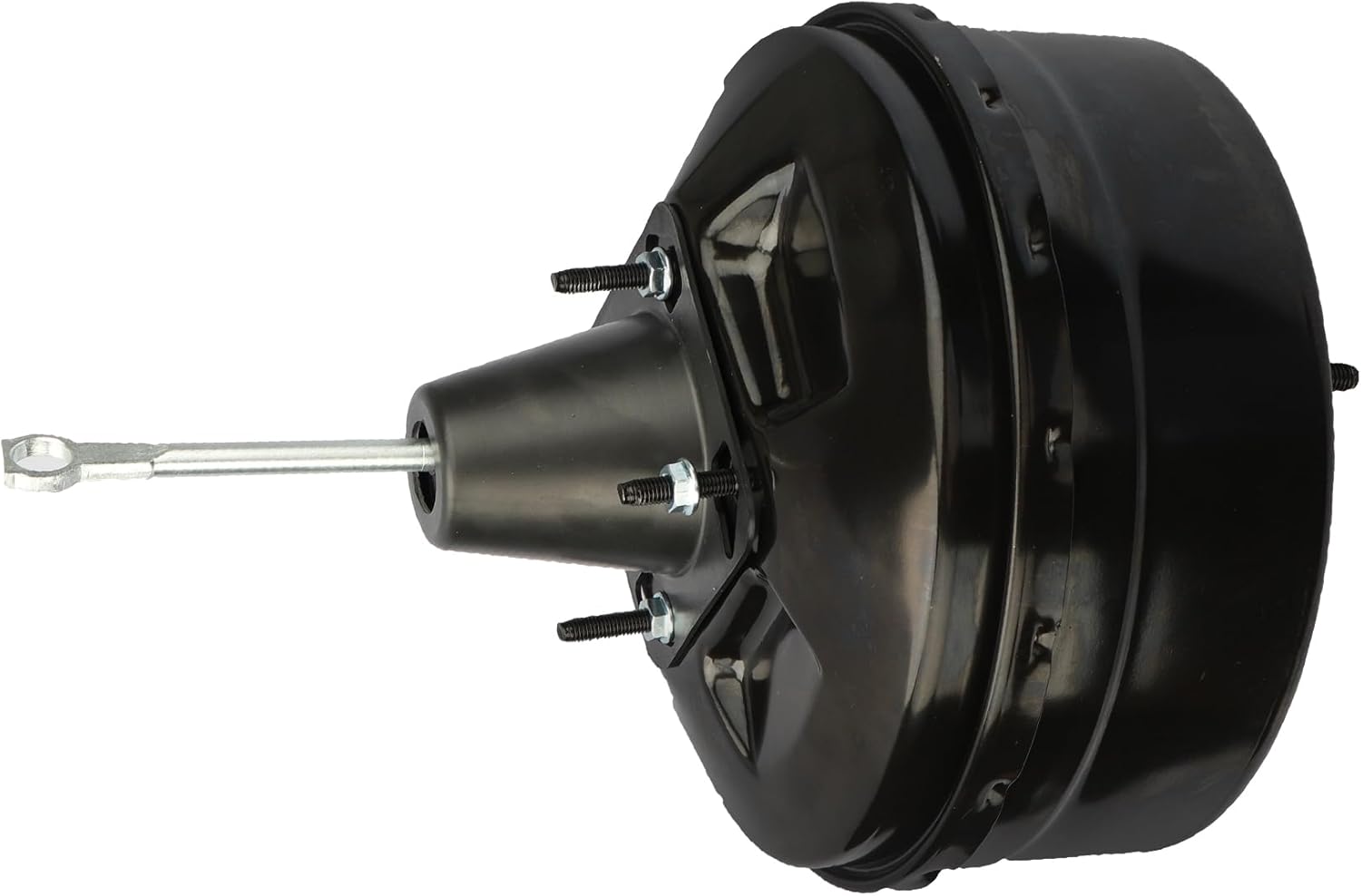
IRONTEK Vacuum Power Brake Booster (fit Ford F-150 1999–2003, Expedition 1997–2008)
| Manufacturer | IRONTEK |
|---|---|
| Manufacturer Part Number | IRKPBV8006 |
| Replace Part Numbers | 54-74408, 8L1Z2005A, F75Z2005GA, XL1Z2005AA, XL3Z2005CA, F75Z2005AE |
| Compatible Vehicles | Ford F-150 (1999-2003), Expedition (1997-2008), Lincoln Navigator (1998-2008) |
This IRONTEK vacuum power brake booster replaces the factory unit on compatible Ford F-150, Expedition and Lincoln models without requiring modifications. It restores power-assisted braking by rebuilding the vacuum assist mechanism so pedal effort returns to a firmer, more responsive feel that drivers expect. The listing highlights tested fitment to multiple replacement part numbers and says the unit follows OE-style production and quality checks, which should simplify installation for a DIY mechanic or independent shop. Practical benefits include straightforward bolt-on fit, claimed low noise operation, and the potential to clear brake-related fault symptoms caused by a failed booster. Customer feedback is mixed though; several buyers report long-term reliability problems such as leaks, popping noises, or total failure within months while others report effective service and easy fit. If you choose this booster expect generally simple installation and improved pedal feel when it works, but plan for careful pre-purchase checks, confirm part numbers, and inspect immediately after installation to catch early leaks or defects.
Best for: Buyers who prioritize a budget-friendly, direct-replacement booster and who will verify part numbers and inspect the unit on arrival; suited to owners comfortable having a mechanic confirm installation and early performance.
Less Ideal for: Drivers who need a long-term guaranteed solution without risk of early failure or those unwilling to accept variable customer reports and perform post-installation checks.
- Designed to match multiple Ford/Lincoln replacement part numbers for direct fitment
- Marketed as factory-style construction with vehicle fit and corrosion testing
- Easy bolt-on installation for DIYers or shops
- Claims of low noise operation and improved pedal response when functioning properly
- Mixed reliability reported by customers including leaking and premature failure
- Some users reported popping noises or pedal-sticking issues after installation
Verdict: A cost-conscious, direct-fit replacement booster that can restore factory-style pedal feel but requires careful inspection because user reports on durability are inconsistent.
Motorcraft BRB102 Brake Booster

| Manufacturer Part Number | BRB102 |
|---|---|
| OEM Part Number | DL3Z*2005*D |
| Item model number | BRB102 |
| Brand | Motorcraft |
The Motorcraft BRB102 is a direct-fit replacement brake booster meant to restore factory brake assist on supported Ford trucks. It installs in the same location as the original unit and is used to re-establish pedal feel and power-assist when the original booster is worn or failed. As a Motorcraft part engineered for Ford and Lincoln applications, it offers OEM-style fitment and mounting points so bolt-on installation is straightforward for a competent DIYer or a shop. Customers report quick installs and restored braking performance when paired with a fresh master cylinder or brake switch handling during reassembly. The unit is painted and finished to match factory appearance and is covered by a manufacturer warranty. Limitations are that fitment is vehicle-specific so you must confirm compatibility for 1997-2003 F-150s, and replacing the booster can require transfer or replacement of small sensors or switches during installation which adds a minor step to the job.
Best for: Buyers who want a conservative, factory-quality replacement to restore original brake assist on their older Ford pickup and prioritize correct fit and long-term reliability over aftermarket alternatives.
Less Ideal for: People seeking a performance-modified booster or a universal fit unit that covers many makes should look elsewhere; this is focused on restoring factory behavior for specific Ford models.
- Factory-engineered fit and function for Ford and Lincoln vehicles
- Direct replacement that bolts into original mounting points for straightforward installation
- Restores original pedal feel and power-assist when paired with proper brake plumbing
- Painted finish and manufacturer backing for durability and reliability
- Well-documented part with multiple user reports of quick DIY installs
- Vehicle-specific fit requires confirming correct part number before purchase
- May require replacement or transfer of brake switch/sensor during installation
Verdict: Choose the Motorcraft BRB102 when you want a factory-quality, direct-fit brake booster to reliably restore original braking performance on compatible Ford F-150s.
Choosing the Right 1997-2003 Ford F-150 Brake Booster: Key Factors to Consider
Fitment and Pushrod Geometry
Correct fitment is the baseline for any brake booster replacement on the 1997-2003 F-150. The booster must align with the firewall studs, have the correct pushrod length and thread, and match the master cylinder mating surface. A booster with incorrect pushrod geometry can alter pedal height, cause a dragging master cylinder, or create excessive pedal travel.
When evaluating options, check published vehicle fitment notes and any provided pushrod specifications. If the replacement requires a spacer or adjustable pushrod, understand how that will affect pedal feel and clearance under the dash. Proper pushrod alignment ensures predictable brake bias and prevents premature wear of pedal or master cylinder components.
Vacuum Performance and Port Compatibility
The vacuum side of the booster is what provides power assist to the brake pedal, so port size, check valve quality, and diaphragm integrity are critical. On a naturally aspirated 1997-2003 F-150, the booster must hold vacuum and recover quickly during repeated stops to maintain consistent assist.
Inspect replacement specifications for vacuum port diameter and check valve fitment. A poorly sealed or undersized port can cause a vacuum leak that reduces assist and makes the pedal hard to depress. For trucks with vacuum accessories, ensure the booster does not compromise available vacuum for other systems.
Build Materials and Diaphragm Design
Durability of the internal diaphragm and the shell determines how long a booster will remain leak-free. Higher-quality diaphragms resist heat, oil vapor, and age-related cracking better than lower-grade elastomers. The booster shell and mating hardware should be corrosion-resistant to withstand under-hood environments and exposure to brake fluid or road contaminants.
Consider units with reinforced diaphragm materials and stamped steel shells with proper coatings. Weak materials are a common cause of bad brake booster signs years after installation, often presenting as gradual loss of assist or intermittent vacuum leaks.
Mounting Hardware and Assembly Completeness
A direct-fit replacement should include the necessary mounting studs, nuts, vacuum check valve, and any grommets needed to make installation straightforward. Missing or incorrect hardware can add labor time and introduce potential sealing issues where the booster meets the firewall or master cylinder.
Verify whether the booster comes as a complete assembly or requires transfer of parts from the original unit. A complete assembly reduces variables during installation and lowers the risk of mismatched components causing brake system problems.
Compatibility With Master Cylinder Interface
The brake booster is mechanically linked to the master cylinder and must present the correct flange and bore to avoid leaks and ensure proper seal alignment. Some boosters are sold for multiple master cylinder bore sizes, so confirming the correct master cylinder interface for the 1997-2003 F-150 is essential.
Mismatched interfaces can lead to master cylinder mounting bolt misalignment or fluid leaks once installed. Ensuring proper mating surfaces preserves hydraulic integrity and pedal feel after replacement.
Ease Of Installation and Serviceability
For many owners replacing the booster themselves, ease of installation is a practical consideration. Factors such as accessible mounting points, included hardware, and clear instructions affect how long the job takes and whether additional parts are needed. Some boosters offer an adjustable pushrod or pre-bled assemblies that simplify final setup.
Also consider serviceability: a design that allows checking or replacing the vacuum check valve without removing the entire booster can be helpful for diagnostics. Minimizing firewall disassembly and avoiding cutting or drilling will reduce risks and preserve vehicle structure.
Common Symptoms of a Failing Booster
Recognizing failure signs early helps prevent compromised braking performance. On the 1997-2003 F-150, a failing booster often presents as a hard pedal at engine idle, which becomes firmer when the engine is off or during low-RPM operation. Other symptoms include a hissing noise near the firewall, inconsistent pedal return, or a longer pedal travel before firm resistance is felt.
Some issues are intermittent, especially if the diaphragm has developing cracks that only leak under certain load conditions. Identifying these symptoms and confirming a vacuum leak or check valve fault narrows down whether the booster or an associated vacuum line or check valve needs attention.
- Hard or stiff brake pedal at idle
- Hissing sound under dash or at firewall
- Increased pedal travel before firm engagement
- Brake pedal firmness improves momentarily when engine is revved
Diagnosing Vacuum Leaks
Vacuum leaks are a common cause of reduced assist on these F-150 model years. Start by inspecting vacuum hoses for cracks, loose clamps, or disconnected fittings between the booster and intake manifold or vacuum source. A visual inspection often reveals brittle or collapsed lines that fail under vacuum.
For a focused check, isolate the booster check valve and test vacuum retention. If the hose and check valve hold vacuum but the booster does not, the booster diaphragm or internal seal is likely compromised. Addressing leaks promptly avoids increased driver effort and inconsistent braking performance.
- Inspect booster vacuum hose for age-related cracks
- Check for secure vacuum check valve seating
- Listen for hissing at firewall while engine is running
Installation Considerations for DIYers
Replacing the brake booster on a 1997-2003 F-150 is a moderately involved job that requires disconnecting the master cylinder from the booster, unbolting the booster from the firewall, and transferring or replacing the pushrod and check valve. Allow adequate time for the job and plan for brake system re-bleeding if hydraulic lines are opened.
Basic steps include securing the vehicle, relieving residual pressure, and supporting the master cylinder to avoid stressing the brake lines. Verify that the new booster's pushrod length and threaded connection match the vehicle's pedal assembly to maintain correct pedal height and feel.
- Support master cylinder to avoid bending brake lines
- Confirm pushrod length and thread match before final installation
- Plan for a brake system bleed if the master cylinder is removed
How Master Cylinder Interaction Affects Brake Feel
The booster and master cylinder operate as a single system. The booster provides vacuum assist while the master cylinder generates hydraulic pressure. If the booster changes pedal leverage or allows the master cylinder to sit at a different angle, the pedal feel and braking characteristics will change.
When selecting a replacement, ensure the booster presents the correct master cylinder flange and does not alter reservoir alignment. Proper interaction preserves consistent pedal travel, even pressure distribution, and expected modulation under hard stops.
- Confirm mounting flange and bolt pattern alignment
- Ensure reservoir orientation prevents hose kinks
- Avoid boosters that shift master cylinder position excessively
Routine Checks To Prevent Booster Failure
Regular inspection of vacuum lines and the booster check valve helps catch early failure signs before they affect stopping performance. Periodic visual checks for corrosion at mounting points and for fluid contamination around the master cylinder help identify leaks that can damage booster components.
Address any brake fluid seepage promptly, as fluid on the booster can degrade seals. Consider inspecting the booster during scheduled brake service intervals so that any developing diaphragm issues are found before they cause unsafe pedal conditions.
- Inspect vacuum hoses annually for brittleness
- Check mounting studs and firewall area for corrosion
- Look for brake fluid leaks near master cylinder seals
Still looking for the perfect fit?
Select your Ford F-150 configuration to see the most relevant Brake Boosters recommendations
How We Chose the Best 1997-2003 Ford F-150 Brake Booster
We focused on criteria that matter specifically for the 1997-2003 F-150 platform. Primary considerations included precise vehicle-specific fitment and correct pushrod length to ensure proper pedal travel and clearance. Vacuum performance was assessed as a key criterion since effective vacuum assist determines pedal firmness and stopping power on these trucks. Construction quality and diaphragm design were evaluated to gauge long-term sealing and resistance to common failure modes such as vacuum leaks or diaphragm deterioration. Mounting hardware compatibility and the presence of correct studs, grommets, and vacuum ports were checked to limit installation surprises. We also prioritized units that match brake booster assembly specifications for the F-150's brake master cylinder interface to avoid mismatched mating surfaces. Excluded from our shortlist were universal or generic boosters that require extensive modification, components with unclear fitment claims, and units lacking clear information about vacuum port size or pushrod length. We did not consider booster kits that omit necessary O-rings or mounting hardware. The result is a list of direct-fit or vehicle-dedicated brake boosters selected for dependable vacuum performance, correct mechanical interface, and durable construction.
Our full evaluation process is outlined in our review methodology.
FAQ
What are the most common bad brake booster signs on a 1997-2003 F-150?
Common signs include a hard or stiff pedal at idle, hissing noises near the firewall, and increased pedal travel before the brakes engage. These symptoms often point to a leaking diaphragm or a failing vacuum check valve.
How can I test the brake booster on my F-150?
With the engine off, press the brake pedal several times to remove any vacuum, then hold the pedal down and start the engine. If the booster is functioning, the pedal should move slightly as vacuum builds. A hand-held vacuum pump can also test for leaks at the booster and check valve.
Is a vacuum leak the only reason for reduced assist?
No. While vacuum leaks are a common cause, issues with the check valve, deteriorated diaphragm, or incorrect pushrod adjustment can also reduce assist. Diagnosing includes checking hoses, the check valve, and booster vacuum retention.
Will replacing the booster require bleeding the brake system?
Often the master cylinder can be unbolted and moved without opening hydraulic lines, avoiding a full bleed. However, if brake lines are disconnected, a full brake bleed is necessary to remove air and restore proper pedal feel.
Can I replace the brake booster myself on a 1997-2003 F-150?
Many mechanically inclined owners can complete the job with basic tools, but it requires caution when supporting the master cylinder and verifying pushrod alignment. If you are unsure about pedal geometry or brake bleeding, seek professional help.
What maintenance helps prolong a booster's life?
Regularly inspect vacuum hoses and the check valve, keep the master cylinder area free of fluid leaks, and address corrosion at mounting points. Preventing brake fluid contamination and replacing brittle vacuum lines reduces stress on the booster diaphragm.
Final Verdict
When choosing a replacement for the 1997-2003 Ford F-150, prioritize correct fitment, pushrod geometry, and vacuum performance. These elements most directly affect pedal feel, brake modulation, and long-term reliability. Tradeoffs usually involve ease of installation versus marginal differences in materials or diaphragm design. Focus on a direct-fit booster that matches the master cylinder interface and includes the necessary mounting hardware. That approach minimizes installation variables and helps restore consistent vacuum assist and safe braking behavior on your F-150.
Explore More:
- Check out all Ford F-150 parts & accessories
- Explore Brake Boosters Maintenance & Repair Guides
- Explore Brake System
- Browse all Auto Parts
