

Note: This article contains affiliate links. If you click on these links and make a purchase, I may earn a small commission at no extra cost to you. This helps support my research and content. Read my full affiliate disclosure here.
If you own a 1995-2004 Toyota Tacoma and the brake pedal feels soft or the system shows fluid loss, replacing the brake master cylinder is often the right step. The master cylinder is central to hydraulic pressure, reservoir capacity, and proper ABS function on these Tacomas across that model span. Choosing the right replacement affects pedal firmness, leak resistance, and long-term reliability.This guide covers the top shortlisted brake master cylinders for the 1995-2004 Tacoma. We evaluated parts that restore correct fluid displacement, match reservoir and port locations, and reduce the chance of seal failure. Read on for what mattered in our selection and practical advice for installation, symptoms, and maintenance.
Looking for other parts? See all Toyota Tacoma parts & accessories.
Top Picks at a Glance
| Best Overall The best all-around choice for most situations | Youxiaho Brake Master Cylinder Compatible with Toyota Tacoma 1995-2004 (Front Inner) |  |
| Best Quality Built to a higher standard if you want something more solid | Beck/Arnley Brake Master Cylinder 072-9577 for 2001–2004 Toyota Tacoma |  |
| Best Value The sweet spot between price and what you get | NAMCCO Brake Master Cylinder for 1995–2000 Toyota Tacoma (Non-ABS), 1 in Bore |  |
| Best Budget The cheapest option that still gets the job done reliably | Aspaton Brake Master Cylinder with Reservoir |  |
| Highest Rated A top-rated pick with lots of positive feedback | NewYall Brake Master Cylinder and Reservoir for Toyota Tacoma (1995–2000) |  |
| Most Popular A crowd favorite that many people choose with confidence | Dorman M390285 Brake Master Cylinder for Toyota Tacoma (1995–2000) |  |
| Best Seller A high-volume bestseller chosen again and again | TRQ Brake Master Cylinder for 1995–2000 Toyota Tacoma |  |
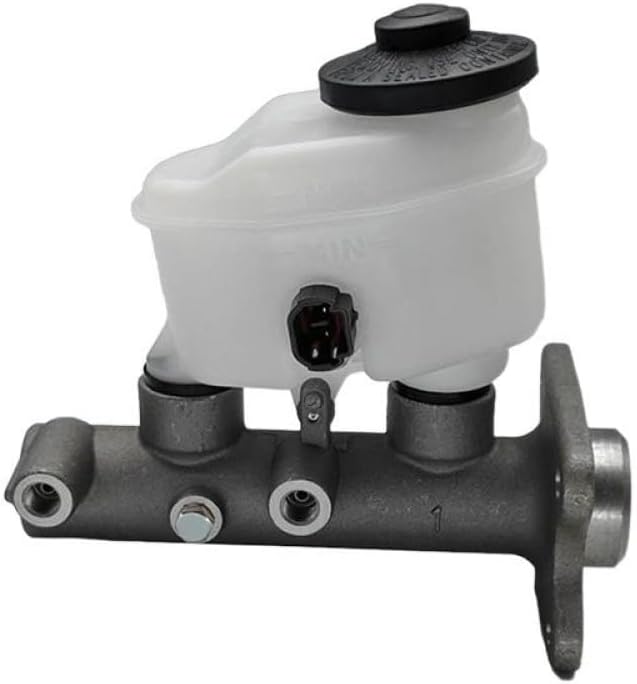
Youxiaho Brake Master Cylinder Compatible with Toyota Tacoma 1995-2004 (Front Inner)
| Position | Front Inner |
|---|---|
| Manufacturer | Youxiao |
| Manufacturer Part Number | 47201-04030 |
| Model | 4720104030 |
This Youxiaho master cylinder is a direct-replacement front inner unit intended for 1995–2004 Toyota Tacoma trucks that use part number 47201-04030. It is built from a machined metal body with alloy internal components and high-performance rubber seals to resist wear and reduce the chance of brake fluid leaks. Typical use is a one-for-one swap when the original cylinder shows internal leaks, a soft brake pedal, or loss of pressure. The listing emphasizes precision casting, heat-treated pistons and multi-point quality checks, which suggests consistent hydraulic pressure and reliable sealing after installation. Practical benefits include factory-style fitment for the specified Tacoma years and corrosion-resistant construction for longevity in harsh road conditions. Limitations are typical for aftermarket master cylinders: you should verify fitment to your exact brake system and expect professional installation or bleeding of the brake lines to restore proper pedal feel. No vehicle-specific hardware or brake lines are included, so reuse of factory connectors and clips may be required.
Best for: Buyers seeking a balanced, reliable factory-style replacement for a leaking or failing master cylinder on a 1995–2004 Toyota Tacoma who prioritize durability and direct fitment over aftermarket performance upgrades.
Less Ideal for: Drivers looking for performance-oriented brake upgrades, universal master cylinders, or parts for vehicles outside the stated Tacoma year range should consider other options.
- Made from machined metal body and heat-treated internal alloy components for durability
- High-performance rubber seals and advanced sealing technology to reduce brake fluid leaks
- Manufactured and inspected to meet dimensional accuracy for direct replacement of part 47201-04030
- Corrosion-resistant construction suited for long-term use in typical road environments
- No mention of included installation hardware or brake line fittings in the listing
- Compatibility limited to the specified Toyota Tacoma years so verify exact brake configuration before buying
Verdict: A durable, factory-style front inner master cylinder replacement tailored for 1995–2004 Toyota Tacoma owners who want a dependable direct-fit swap.
Beck/Arnley Brake Master Cylinder 072-9577 for 2001–2004 Toyota Tacoma

| Vehicle fit | Toyota Tacoma 2001-2004 |
|---|---|
| Includes | Reservoir and sensor where applicable |
| Exterior | Machined |
| Manufacturer | Beck/Arnley |
This Beck/Arnley master cylinder is a direct-fit replacement designed to restore proper brake pedal feel and hydraulic performance on 2001–2004 Toyota Tacoma trucks. It replaces the vehicle's primary cylinder and includes the reservoir and sensor where applicable, so installation follows standard hydraulic procedures and requires bench bleeding before fitment. The unit is marketed as meeting foreign nameplate factory specifications for form, fit and function and is machined for consistent sealing surfaces. In real-world use it returns a firm pedal and predictable brake response when installed correctly, and several owner reports confirm an OEM-like fit. A minority of units have arrived with sealing issues, so pre-install bench testing is advisable to avoid installation delays. This cylinder is best for owners who want a like-for-like, durable replacement without modifying brake system performance.
Best for: Buyers who need a reliable, factory-matching replacement master cylinder to restore original brake feel on a 2001–2004 Tacoma and value straightforward installation and long-term durability.
Less Ideal for: Drivers looking to upgrade braking performance beyond factory specifications or modify pedal ratio should consider performance-oriented or aftermarket master cylinders instead.
- Direct-fit, application-specific design for 2001–2004 Toyota Tacoma
- Includes reservoir and sensor where applicable for simpler replacement
- Machined exterior and construction aimed at durable, factory-style performance
- Many users report OEM-like fit and restored firm brake pedal feel
- Some buyers reported units with leaks requiring return or replacement
Verdict: Choose this if you want a durable, OEM-quality master cylinder that restores factory brake feel on a 2001–2004 Toyota Tacoma.
NAMCCO Brake Master Cylinder for 1995–2000 Toyota Tacoma (Non-ABS), 1 in Bore

| Bore Diameter | 1 in |
|---|---|
| Rearward Outlet Size | M10 x 1.0 |
| Secondary Outlet Thread | M10 x 1.0 |
| Material | Aluminum |
| Number of Outlets | 2 |
This NAMCCO master cylinder is a straightforward factory-style replacement for 1995–2000 Toyota Tacoma non-ABS braking systems. It installs in place of the original unit and provides two M10x1.0 outlet ports, a 1 inch bore, and an aluminum body intended for corrosion resistance and long-term use. Typical use is restoring lost brake pressure after an original unit fails or when rebuilding the hydraulic system; installation requires disconnecting and rethreading the brake lines and a full bleed afterwards. Buyers report an exact fit, easy installation, and immediate restoration of braking function in most cases, though a few users experienced pressure loss after installation. The part ships as a single assembly and matches factory mounting and port layout, which simplifies replacement without needing major modifications. If you value cost-effective repairs and correct fitment for older Tacomas, this part delivers a practical, OEM-style fix, but verify thread engagement on the lines and perform careful bleeding to ensure reliable pedal feel.
Best for: Buyers who want a low-cost, factory-style replacement to restore braking performance on a 1995–2000 non-ABS Tacoma with minimal modification and straightforward installation.
Less Ideal for: Do not choose this if your Tacoma has an ABS system or if you need a performance upgrade beyond factory-spec braking components.
- Made to match original mounting and port layout for direct replacement
- Aluminum construction helps resist corrosion compared with cast iron units
- Includes two M10x1.0 outlet ports and a 1 inch bore for specified Tacomas
- Arrives as a complete assembly so no additional parts are required for installation
- Not intended for ABS-equipped models so incompatible with ABS systems
- Some customers reported early pressure loss on a small number of units
Verdict: A practical, factory-style replacement that restores correct fit and function for non-ABS 1995–2000 Toyota Tacomas without unnecessary complexity.
Aspaton Brake Master Cylinder with Reservoir

| Manufacturer | Aspaton |
|---|---|
| Bore Diameter | 0.813 In |
| Compatible Years | 2001, 2002, 2003, 2004 |
This Aspaton brake master cylinder is a straightforward replacement unit intended for 2001–2004 Toyota Tacoma models. It installs in place of the factory master cylinder and includes the cap and integrated fluid reservoir, making it suitable for routine brake system repairs. The listed 0.813 inch bore matches common factory sizing for these Tacomas, which helps restore proper pedal feel and hydraulic pressure after a failed or leaking master cylinder. Buyers will appreciate the unit for its simple fitment notes and the range of substitute part numbers provided for cross-reference. Because it is an aftermarket part, materials and long-term durability may vary compared with higher-end remanufactured or OEM units, so careful inspection at installation and proper bench bleeding are recommended. For routine brake overhauls where budget is a priority, this unit offers a practical way to regain braking function, but installers seeking the longest lifespan or guaranteed brand-match may prefer upgraded or factory-sourced options.
Best for: Buyers looking for an affordable, direct-replacement master cylinder to restore braking function on a 2001–2004 Tacoma and who prioritize cost-effective repairs over premium remanufactured parts.
Less Ideal for: Drivers seeking a long-term, warranty-backed factory replacement or those wanting performance-oriented braking upgrades should consider OEM or premium alternatives.
- Direct-fit replacement specified for 2001–2004 Tacoma, simplifying parts matching
- Includes reservoir and master cylinder cap for a more complete replacement
- Bore diameter (0.813 in) matches common factory sizing to preserve pedal feel
- Multiple substitute part numbers listed to help confirm compatibility
- Aftermarket construction may not match the long-term durability of factory or premium remanufactured units
- Limited customer review history and low sample size for real-world reliability data
Verdict: A budget-focused, direct-fit master cylinder that gets a 2001–2004 Tacoma back on the road with minimal fuss.
NewYall Brake Master Cylinder and Reservoir for Toyota Tacoma (1995–2000)

| Model | 4720l-04030 |
|---|---|
| Manufacturer | NewYall |
| Fitment note | For Toyota Tacoma without ABS 1995-2000 |
| Item Weight | 0.634 ounces |
This NewYall brake master cylinder replaces the factory unit and includes the attached fluid reservoir for Toyota Tacoma models without ABS (1995–2000). It is intended as a direct-fit replacement to restore proper brake pedal feel and hydraulic pressure after a worn or leaking master cylinder. Installation is typical for brake hydraulic work: bench-bleeding the unit, bolting it to the brake booster, reconnecting lines, and bleeding the system on the vehicle. The product’s compact, single-piece design simplifies swap-out and reduces parts to source. Buyers can expect factory-style function for everyday driving and towing within the vehicle’s original capabilities. Limitations include the need for a competent DIYer or a mechanic to perform correct bleeding and line reconnection; this is not a universal part and is specific to non-ABS Tacomas. No performance enhancement over the original is claimed, so drivers seeking upgraded stopping power should consider performance brake upgrades instead.
Best for: Buyers who prioritize restoring reliable, factory-quality brake function on a 1995–2000 Toyota Tacoma without ABS and want a straightforward replacement that minimizes parts sourcing and fitment guesswork.
Less Ideal for: Drivers looking to upgrade braking performance beyond factory levels or owners of Tacomas equipped with ABS should look at alternative parts designed for those needs.
- Direct-fit design made for 1995–2000 Toyota Tacoma without ABS for straightforward replacement
- Includes the integrated reservoir to avoid sourcing separate parts
- Compact single-piece assembly simplifies installation and reduces leak points
- Matches factory-style function for restoring brake pedal feel and hydraulic pressure
- Requires proper bench and on-vehicle bleeding and professional installation if you lack experience
- Not compatible with Tacoma models equipped with ABS
Verdict: Choose this unit if you need a reliable, direct-fit replacement to restore factory brake function on a 1995–2000 Toyota Tacoma without ABS.
Dorman M390285 Brake Master Cylinder for Toyota Tacoma (1995–2000)

| Model | M390285 |
|---|---|
| Manufacturer | Dorman Products |
| Compatible vehicles | Toyota Tacoma 1995–2000 |
| Material | New cast housing with EPDM rubber components |
This Dorman M390285 is a direct replacement master cylinder designed to restore brake hydraulic function on compatible Toyota Tacomas from the mid to late 1990s. It comes fully new rather than remanufactured, with a cast housing matched to the original design and EPDM rubber seals intended for compatibility with glycol-based brake fluid. Typical use is a one-for-one swap when the existing master cylinder leaks, has failed seals, or loses pedal firmness; the part includes bench-bleed plugs and instructions to help remove trapped air during installation. In practice buyers report good fitment and reliable function when properly bled, and the factory-style casting and line ports make connection straightforward. Some users note variable finish quality and occasional issues with the supplied reservoir cap or an internal piston failure in isolated units, so expect to verify the cap condition at install and bench-bleed carefully. For a budget-friendly replacement that matches the original layout and restores pedal feel, this Dorman unit is a practical choice, but installers who prioritize perfect cosmetic finish or want factory-brand assurance may prefer an OEM unit instead.
Best for: Buyers who want a budget-conscious, vehicle-specific replacement to restore braking function quickly and prefer parts that match the original mounting and hydraulic layout.
Less Ideal for: Shoppers seeking a cosmetically perfect or manufacturer-branded unit for peace of mind should consider an OEM master cylinder or dealer-sourced alternative.
- Direct-fit design matches original mounting points and line ports for straightforward installation
- Made entirely of new materials with EPDM rubber components for resistance to glycol-based brake fluid
- Includes bench-bleed plugs and instructions to aid in removing air and achieving firm pedal feel
- Generally reliable in long-term user reports when properly installed and bled
- Finish and cosmetic quality can be inconsistent compared with factory-brand parts
- Occasional reports of a faulty reservoir cap or an internal piston issue in isolated units
Verdict: A practical, vehicle-specific replacement that restores pedal feel and plumbing with new components at a lower cost than factory-brand options.
TRQ Brake Master Cylinder for 1995–2000 Toyota Tacoma

| Fitment | 1995-00 Toyota Tacoma without ABS |
|---|---|
| Bore diameter | 1 in |
| Material | Aluminum |
| Includes | Reservoir, cap, sensor, bleeder kit |
This TRQ master cylinder is a direct-fit replacement for 1995–2000 Toyota Tacoma vehicles that use a 1.00-inch bore and do not have ABS. It comes preassembled with the reservoir, cap, bleeder kit, and a sensor included, which simplifies installation for a DIYer or a shop technician. The aluminum machined body should resist corrosion and several buyers report straightforward installs, reliable pedal feel, and no leaks after installation. TRQ supplies step-by-step installation videos and a bench-bleed-friendly design to speed up the process. Some users noted the included bleeder fittings can be fiddly and the fluid cap feels softer than factory, so you may prefer replacing small consumables if you want a more OEM feel. For a buyer prioritizing a dependable, ready-to-install replacement, this part balances ease of install with durable materials, though attention to careful bleeding is advisable to avoid trapped air.
Best for: Practical buyers who want a reliable, ready-to-install replacement for a 1995–2000 Tacoma and prefer parts that minimize shop time and simplify home repair.
Less Ideal for: Those seeking an exact factory-feel component or upgraded performance beyond factory-spec should consider higher-end or OEM-specified alternatives.
- Direct-fit design with preassembled reservoir and sensor to simplify installation
- Aluminum machined body for corrosion resistance and durability
- Includes bleeder kit and cap which helps with bench bleeding and initial setup
- Supplier provides step-by-step installation videos to guide DIY repairs
- Included bleeder fittings and cap are reported as lower quality than factory parts
Verdict: A dependable, easy-to-install direct replacement for 1995–2000 Tacoma owners who want a risk-minimizing repair with minimal modification.
Choosing the Right 1995-2004 Toyota Tacoma Brake Master Cylinder: Key Factors to Consider
Fitment and Reservoir Configuration
Correct physical fit is the starting point. The master cylinder must match the mounting bolt pattern, pushrod engagement, and reservoir size used on 1995-2004 Tacoma models. A reservoir with incorrect capacity or different port locations can cause overflow, air ingestion during bleeding, or interfere with the brake booster.
Matching port thread types and locations prevents the need for adapters that can introduce leak points. If a replacement uses a different reservoir venting method it may change how the system tolerates thermal expansion. For owners, ensuring exact-fit reservoir and port layout reduces installation time and minimizes post-install adjustments.
Bore Size and Hydraulic Performance
Bore diameter determines how much pedal travel is required to achieve pressure. For the Tacoma, choosing a master cylinder with the correct bore ensures the pedal feel is neither too soft nor overly grabby. Incorrect bore can alter the balance between front and rear braking when combined with the original proportioning valves.
Consistent internal machining and polished bores reduce friction and help the seals operate smoothly. That improves responsiveness and reduces the chance of a dragging piston or slow return, which can cause overheating or uneven pad wear.
Seal Material and Longevity
Seal compound choice is a major determinant of service life. Over time, heat and brake fluid contamination break down inferior seals, causing internal bypass or external leaks. For Tacomas that see towing or heavy use, choose seals rated for higher temperature cycles and compatible with DOT 3 or DOT 4 fluid as specified.
Durable seals also resist swelling and deformation, which helps maintain a consistent pedal height and avoids the soft-feel symptoms owners report. Rebuildable designs that accept replacement seal kits extend the unit's useful life and can be a cost-effective option versus full replacement.
Corrosion Resistance and Body Construction
Corrosion is common on older vehicles and can seize mounting points or pit the piston bores. Look for master cylinders with protective coatings or castings made from corrosion-resistant alloys. A pitted bore can ruin seals quickly and lead to leaks at the most inconvenient time.
Construction quality also affects how well the unit withstands repeated disassembly for maintenance. Robust castings and plated surfaces reduce the likelihood of leak points developing where the body meets fittings or the reservoir.
Compatibility With ABS and Proportioning Hardware
Many Tacomas in the 1995-2004 range use ABS modules and specific proportioning valves. The replacement master cylinder needs to maintain the same hydraulic output characteristics to avoid unintended ABS activation or front/rear bias shifts. Mismatched output volume or timing can change ABS behavior and stopping distances under certain conditions.
Confirming the replacement accepts the same brake lines and sensor plumbing prevents additional modifications. When in doubt, choose units documented for the exact year range and brake system configuration to preserve system behavior.
Ease of Bleeding and Serviceability
After installation, properly removing air from the system is essential. Master cylinders with clearly placed ports, accessible bleed screws, and straightforward reservoir access make bleeding faster and reduce the risk of trapped air. Some designs facilitate bench bleeding before installation, which greatly simplifies the job for DIYers.
Serviceable units that accept rebuild kits or have replaceable seals allow owners to refresh the unit without swapping the entire assembly. This matters for owners planning to keep their Tacoma long term and reduces future maintenance costs.
Recognizing Master Cylinder Symptoms
Understanding the signs of a failing master cylinder helps you decide whether replacement is necessary. Common symptoms on the 1995-2004 Tacoma include a soft or sinking pedal under sustained pressure, visible brake fluid at the firewall or under the vehicle, and inconsistent pedal height after stopping and starting.
A master cylinder seal leak often presents as fluid around the reservoir cap or on the firewall near the booster. Internal bypass, where fluid leaks past the piston seals, can cause a pedal that slowly sinks during a pressure hold. Distinguishing between a master cylinder issue and worn pads or a failing caliper requires attention to where fluid appears and whether pedal firmness improves after reservoir top-up and bleeding.
- Soft pedal that does not firm after bleeding usually points to internal bypass.
- Visible brake fluid at the booster or under the truck indicates an external leak.
- Brake pedal that sinks slowly when held often means internal seal failure.
DIY Replacement Tips for the Tacoma
If you are comfortable with basic hand tools, replacing the master cylinder on a 1995-2004 Tacoma is a manageable job with proper preparation. Always start by working on a cool engine and protect painted surfaces from spilled brake fluid. Gather correct wrenches, a catch container, and new crush washers where applicable.
Bench-bleeding the new master cylinder before it goes on the vehicle prevents much frustration. Use clear tubing from the outlet ports back into the reservoir and cycle the piston until no air bubbles appear. On installation, tighten fittings to torque specs where available and avoid twisting the lines which can open new leak paths.
- Bench-bleed the unit before installation to remove trapped air.
- Use new crush washers or sealing rings when reconnecting brake lines.
- Bleed the system starting at the wheel farthest from the master cylinder, following vehicle-specific bleeding order.
When to Consider a Rebuild Kit Instead of Replacement
For owners focused on cost and sustainability, a master cylinder rebuild kit can be a sensible choice when the bore and body are in good condition. If corrosion is minimal and the casting is not damaged, replacing seals and cups restores hydraulic integrity and pedal feel at a lower parts cost.
However, rebuilding requires careful inspection. Deep pitting, scored bores, or warped mounting faces mean the cylinder body has compromised surfaces that new seals cannot remedy. If the unit shows substantial corrosion, a full replacement typically provides a more reliable long-term outcome.
- Rebuild if bores are smooth and only seals show wear.
- Replace the entire unit if there is pitting, heavy corrosion, or damage to mounting points.
Bleeding Procedures and Brake Fluid Selection
Using the correct brake fluid and proper bleeding technique ensures the hydraulic system performs as intended. The 1995-2004 Tacoma typically uses DOT 3 or DOT 4; consult your owner documentation for the factory recommendation and maintain the same fluid type throughout the system. Mixing different fluid types can harm seals and affect boiling points.
During bleeding, maintain reservoir level to avoid introducing air. A two-person pump-and-hold method, a pressure bleeder, or a vacuum bleeder are all effective when used correctly. After bleeding, verify pedal firmness with the engine running to check for vacuum booster-assisted travel differences.
- Keep reservoir topped during bleeding to prevent air ingestion.
- Use the same DOT-rated brake fluid originally specified.
- Check for leaks and pedal firmness after a short test drive.
Estimating Time and Installation Complexity
Expect the job to take longer if the vehicle has significant corrosion or stuck fittings. A straightforward swap with pre-bled unit and all necessary hardware on hand can be completed in a couple of hours by a DIYer. Allow additional time for careful bleeding, leak checks, and reinstalling components like the airbox or battery if removed for access.
If you plan to tackle this on a weekend, set aside time for a follow-up check after a short drive to ensure no leaks develop and pedal feel remains consistent. Having a helper for bleeding and test-pedal checks speeds the process and improves safety.
- Typical DIY time: 2 to 4 hours depending on access and condition.
- Allow extra time for corroded fittings or stubborn bolts.
- Plan a post-installation road test and recheck for leaks.
Preserving Longevity After Replacement
After replacement, routine inspections and fluid maintenance extend component life. Regularly check reservoir level, inspect around the booster and firewall for dampness, and keep the reservoir cap vent and seal clean. Flushing brake fluid on the recommended interval helps prevent internal seal degradation caused by moisture and contaminants.
Address any signs of soft pedal or minor leaks quickly before they escalate to a full failure. Properly torqued fittings, quality sealing washers, and maintaining the correct fluid all contribute to longer service intervals on the Tacoma.
- Inspect for leaks monthly after installation for the first few months.
- Flush brake fluid as part of routine maintenance to prevent internal corrosion.
- Use high-quality sealing washers and follow torque specs when tightening lines.
Still looking for the perfect fit?
Select your Toyota Tacoma configuration to see the most relevant Brake Master Cylinders recommendations
How We Chose the Best 1995-2004 Toyota Tacoma Brake Master Cylinder
We started by filtering for direct-fit master cylinders that match the reservoir size, mounting flange, and port layout used on 1995-2004 Toyota Tacoma models. Fitment and proper hydraulic bore size were nonnegotiable because incorrect dimensions can lead to improper pedal travel or bleeding difficulties. We prioritized components with corrosion-resistant finishes and high-quality seals because those attributes reduce the most common failure modes on older trucks: seal leaks and body corrosion.Next, we assessed design features that affect day-to-day performance: bore diameter consistency, secondary cup design, and compatibility with the vehicle's ABS vacuum and proportioning systems. Ease of bleeding and accessibility of ports were factored in since many owners do their own maintenance. We also considered whether a unit accepted OEM replacement seals or offered a rebuildable design for long-term serviceability.Exclusions: units that required significant modification, adapters, or nonstandard plumbing were removed. Also excluded were universal or generic master cylinders without explicit Tacoma fitment data. What mattered most were correct hydraulic specs, durable seal materials, corrosion protection, and straightforward installation for a typical owner.
Our full evaluation process is outlined in our review methodology.
FAQ
How do I tell if the master cylinder is leaking or a line is leaking?
Check for fluid at the firewall near the booster for master cylinder leaks and along the brake lines and wheel areas for line leaks. An internal master cylinder leak often causes a sinking pedal with no visible external fluid, while external leaks usually leave wet spots and a rapid fluid loss.
Can I bench-bleed the master cylinder before installing it on my Tacoma?
Yes. Bench-bleeding is recommended to remove trapped air before installation. Use clear tubing from the outlets back into the reservoir and cycle the piston until bubbles stop before fitting the unit to the vehicle.
Is a rebuild kit a good option for my 1998 Tacoma?
A rebuild kit is worthwhile if the cylinder body and bore are in good condition with minimal corrosion. If you find pitting, deep scoring, or mounting damage, a full replacement is a safer long-term choice.
Will changing the master cylinder affect ABS function on my Tacoma?
It can if the replacement changes output volume or pressure timing. Use a unit designed for the 1995-2004 Tacoma brake system so hydraulic output characteristics match the original and do not inadvertently alter ABS behavior.
What brake fluid should I use after installing a new master cylinder?
Use the DOT rating specified for your Tacoma, typically DOT 3 or DOT 4. Maintain the same fluid type throughout the system and avoid mixing different DOT types to prevent seal damage and ensure correct boiling point performance.
How long does it usually take to replace the master cylinder on these Tacomas?
A straightforward swap can take around 2 to 4 hours for a DIYer with basic tools. Allow extra time if fittings are corroded or if you need to bench-bleed and perform multiple bleeding cycles.
Final Verdict
When choosing a brake master cylinder for a 1995-2004 Toyota Tacoma, prioritize exact fitment, correct bore size, and durable seal materials. These factors most directly affect pedal feel, leak resistance, and ABS compatibility. Consider rebuild kits only when the body and bore are in good condition; otherwise choose a direct-fit replacement that preserves original hydraulic behavior.Balancing ease of installation and long-term serviceability will guide most owners. Focus on matching reservoir and port configuration, verify that the unit bleeds cleanly, and maintain brake fluid and inspections to ensure dependable braking performance.
Explore More:
- Check out all Toyota Tacoma parts & accessories
- Explore Brake Master Cylinders Maintenance & Repair Guides
- Explore Brake System
- Browse all Auto Parts
