

Note: This article contains affiliate links. If you click on these links and make a purchase, I may earn a small commission at no extra cost to you. This helps support my research and content. Read my full affiliate disclaimer here.
Picking the right intake manifold for your Hyundai Elantra matters for everyday drivability and long-term engine health. The manifold affects airflow distribution, throttle response, and how well the engine breathes under varied loads. A poor fit or wrong design can cause uneven performance or vacuum issues, while a well-chosen unit can restore smooth idle and consistent power delivery. This guide highlights our shortlisted top picks in the category and explains the evaluation criteria we used. Read on to understand which features matter most and how each option addresses common intake manifold concerns.
Looking for other parts? See all Hyundai Elantra parts & accessories.
Top Picks at a Glance
| Best Reviewed A top-rated pick with lots of positive feedback | EZAFIX Intake Visor Actuator and VIS Solenoid Valve Repair Kit |  |
| Best Quality Built to a higher standard if you want something more solid | C-Tzu Intake Manifold Runner Control Motor (911-922) |  |
| Best Budget The cheapest option that still gets the job done reliably | Hoypeyfiy Intake Manifold Actuator and Purge Valve (283212G000) |  |
| Most Sold A high-volume bestseller chosen again and again | Tykick Engine Intake Manifold with Gaskets |  |
| Best Value for Money The sweet spot between price and what you get | WMPHE Intake Manifold, Replacement for 3.5L V6 (Compatible with Hyundai Santa Fe/Kia applications) |  |
| Best Overall The best all-around choice for most situations | TAUTOY Intake Manifold Runner Control Motor 28323-2GGA1 |  |
1. EZAFIX Intake Visor Actuator and VIS Solenoid Valve Repair Kit

| Brand | EZAFIX |
|---|---|
| Model | Intake Actuator & Solenoid Valve |
| Manufacturer Part Number | RCS2E000KIT |
| OEM Part Number | 28321-2E000, 283212E000, 28324-2E000, 283242E000 |
This kit provides the intake visor actuator and VIS solenoid valve used on the intake manifold of 1.8L and 2.0L DOHC NU engines, offering a direct replacement for common failure points that cause rough idle, check engine lights, or intake performance faults. Installation typically involves removing the intake manifold cover and swapping the faulty actuator and valve with the included parts; most DIYers with basic tools can complete the job but some disassembly of the intake is required. The kit lists compatible years and models for Hyundai Elantra and related vehicles and aims to restore proper intake flap operation and vacuum control. Practical benefits include restoring drivability and clearing intake-related error codes without replacing the entire manifold, and users report reliable fit and function. Limitations are that fitment is limited to specific DOHC NU engines so verification of engine type is essential, and buyers should expect to handle some engine bay disassembly and careful vacuum/electrical reconnections during install.
Best for: Buyers who prioritize reliability and want a focused repair to restore intake flap operation and eliminate related drivability issues on affected Hyundai Elantra engines without replacing the entire manifold.
Less Ideal for: If you prefer a plug-and-play solution with professional installation included or have a different engine family, this kit is not the best choice.
- Includes both the intake visor actuator and VIS solenoid valve for a complete repair of the intake VIS system
- Listed compatibility with Hyundai Elantra 2011–2015 1.8L/2.0L DOHC engines so it targets known problem models
- Reported reliable fit and function by multiple buyers, helping restore proper intake flap operation
- Smaller, targeted repair avoids the cost and complexity of replacing the whole intake manifold
- Only fits specific DOHC NU 1.8L and 2.0L engines so incorrect engine identification will lead to incompatibility
- Installation requires partial intake disassembly and some mechanical skill
Verdict A focused, reliability-driven repair kit that restores intake VIS function on compatible Hyundai Elantra DOHC engines but requires correct engine match and moderate DIY skill.
2. C-Tzu Intake Manifold Runner Control Motor (911-922)

| Thread Size | M12x1.5 |
|---|---|
| Inlet Connection Type | Threaded |
| Outlet Connection Type | Threaded |
| Number of Ports | 2 |
| Valve Type | Motor Valve |
This C-Tzu intake manifold runner control motor replaces a failed runner actuator to restore variable intake geometry and correct related drivability issues. Installed in place of the original motor, it operates the intake runner flaps via a threaded M12x1.5 connection and two ports, using a motorized valve to change runner length under load. For owners chasing stronger midrange response and a cleared intake-runner fault, the unit promises a factory-style fit and simple swap-in installation without programming on many Hyundai applications. Construction is primarily plastic, so it is lightweight and affordable, and reviewers report the check-engine light being resolved after replacement. Expect the benefits of improved intake flow management and potential fuel-economy gains when the part functions correctly. Limitations include mixed long-term reliability reports and one-piece plastic construction that may not match the longevity of higher-end factory parts, so plan for inspection after installation and avoid aggressive cleaning methods that could damage the actuator.
Best for: Performance-oriented owners seeking to restore intake-runner function and recover midrange torque and throttle response on a Hyundai, prioritizing on-track or street performance gains over absolute OEM longevity.
Less Ideal for: Buyers who prioritize maximum long-term durability or fit-and-forget factory longevity should consider higher-end factory-quality replacements or dealer parts instead.
- Factory-style threaded connections for straightforward replacement
- Motorized valve design restores variable intake runner control
- Compatible with common Hyundai/Kia part numbers for easier fit verification
- Affordable option that can clear intake-runner related fault codes
- Plastic construction may be less durable than higher-grade factory parts
- Some users report inconsistent long-term reliability after installation
Verdict A cost-effective motorized intake-runner replacement that can restore midrange performance quickly but may offer uneven long-term durability compared with premium factory-quality units.
3. Hoypeyfiy Intake Manifold Actuator and Purge Valve (283212G000)

| Brand | Hoypeyfiy |
|---|---|
| Model | Intake Manifold Actuator and Purge Valve |
| Manufacturer Part Number | 283212G000 |
| Fitment note | Replacement for Hyundai Santa Fe 2.4L DOHC-MPI 2009-2012 |
This Hoypeyfiy intake manifold actuator and purge valve is a no-frills replacement intended to restore proper intake runner control and purge function on compatible Hyundai 2.4L engines. It installs in the same location as the factory unit and is typically used to resolve vacuum/actuator-related check-engine codes, improve idle smoothness, and recover lost low-end response. The part lists direct-fit numbers and arrives painted with the actuator and purge valve assembled as shown. Practical benefits include simple bolt-in installation for a DIYer or technician and a lightweight, compact design that cleared codes for several buyers. Limitations are typical for economy aftermarket parts: long-term durability and lifespan may not match factory-quality components and there is no extended warranty information provided. Expect straightforward function at a much lower price versus dealer parts, but plan for normal maintenance checks if your vehicle has high mileage or rough service history.
Best for: Practical, budget-conscious owners looking to fix intake actuator or purge-valve faults without paying dealer prices and who prioritize immediate function over long-term OEM-level longevity.
Less Ideal for: Owners seeking a factory-quality, long-life replacement backed by manufacturer warranty or those who prefer dealer-sourced parts and full OEM traceability.
- Direct replacement for specified Hyundai 2.4L intake actuator and purge valve part numbers
- Simple bolt-in installation that can clear intake-related engine codes
- Compact, painted unit that matches the original mounting and connector locations
- Affordable option that restores intake control and improves drivability for budget repairs
- May not match long-term durability of factory-quality parts
- No explicit warranty or extended support information provided
Verdict A low-cost, direct-fit replacement that restores intake actuator function and clears codes for budget-focused Hyundai repairs.
4. Tykick Engine Intake Manifold with Gaskets

| Brand Name | Tykick |
|---|---|
| Item Type Name | Intake Manifold |
| Included Components | Engine Intake Manifold Includes Gaskets |
This Tykick intake manifold is a direct-fit replacement assembly supplied with gaskets and intended to match factory-style fit and function for compatible 3.5L V6 engines. It installs in place of the original manifold and is used to restore proper air delivery to the engine when the OEM unit is cracked, leaking, or otherwise failing. The listing calls out cross-reference part numbers and lists vehicle compatibility; the inclusion of gaskets simplifies reinstall and reduces the parts-sourcing steps during a repair. Practical benefits include an apparent fit-first design and a six-month support window for defects. Important limitations are that the part is an aftermarket unit rather than a factory-branded component and long-term durability versus a factory replacement is not guaranteed by extended warranty; careful pre-purchase verification of part numbers and fitment is recommended to avoid installation surprises.
Best for: Practical, risk-averse buyers looking to replace a failing intake manifold with a ready-to-install aftermarket assembly that minimizes parts sourcing and simplifies the repair process.
Less Ideal for: Buyers seeking an original manufacturer branded part or extended manufacturer warranty coverage should consider factory-quality replacements or dealer parts instead.
- Supplied complete with intake gaskets for one-stop replacement
- Manufactured to match factory-style fitment for straightforward installation
- Cross-referenced to common part numbers for easier compatibility checks
- Six-month support for defects provides limited post-purchase protection
- Aftermarket part without long-term factory warranty or brand assurance
- Fit or orientation details may require attention during installation
Verdict A convenient aftermarket intake manifold kit that simplifies replacement but is best for buyers prioritizing fit and value over factory-brand assurance.
5. WMPHE Intake Manifold, Replacement for 3.5L V6 (Compatible with Hyundai Santa Fe/Kia applications)

| Manufacturer | WMPHE |
|---|---|
| Model | Intake Manifold |
| Manufacturer Part Number | 283103CAA0 |
| Compatible Engine | 3.5L V6 |
This WMPHE intake manifold is a direct-replacement style part intended to restore proper air distribution to a 3.5L V6 engine. It is typically used when the original manifold or intake hose has cracked, warped, or developed leaks that trigger check-engine lights or cause hesitation. The listing emphasizes factory-quality fit and claims OEM-equivalent performance, and customers report straightforward installation by removing clamps and swapping the inlet hose. Practical benefits include a lower-cost option compared with dealer parts and materials meant to resist high-temperature softening for longer service life. Important limitations are variable quality control and occasional shipping damage reported by buyers, so inspect the casting and mating surfaces before installation and be prepared to source replacement fasteners or return a defective unit. This part fits specific 3.5L Hyundai/Kia applications and should be treated as a budget conscious repair choice rather than an upgraded performance component.
Best for: A practical optimizer looking to repair a failing intake manifold on a budget and willing to trade brand-new dealer backing for a cheaper, functional replacement.
Less Ideal for: Drivers seeking an OEM-sourced part with guaranteed fitment validation or buyers wanting a performance intake should consider dealer or aftermarket performance options instead.
- Designed to match factory performance for affected 3.5L V6 applications
- Lower-cost replacement compared with dealer or OEM parts
- Materials advertised for heat resistance to reduce softening and extend service life
- Simple installation process using existing clamps and inlet hose
- Inconsistent quality control reported including damaged or warped castings on some units
- Not a performance upgrade so will not improve power or flow beyond factory levels
Verdict A cost-effective, factory-style replacement for restoring a 3.5L V6 intake system when you prioritize price and practicality over dealer backing or performance upgrades.
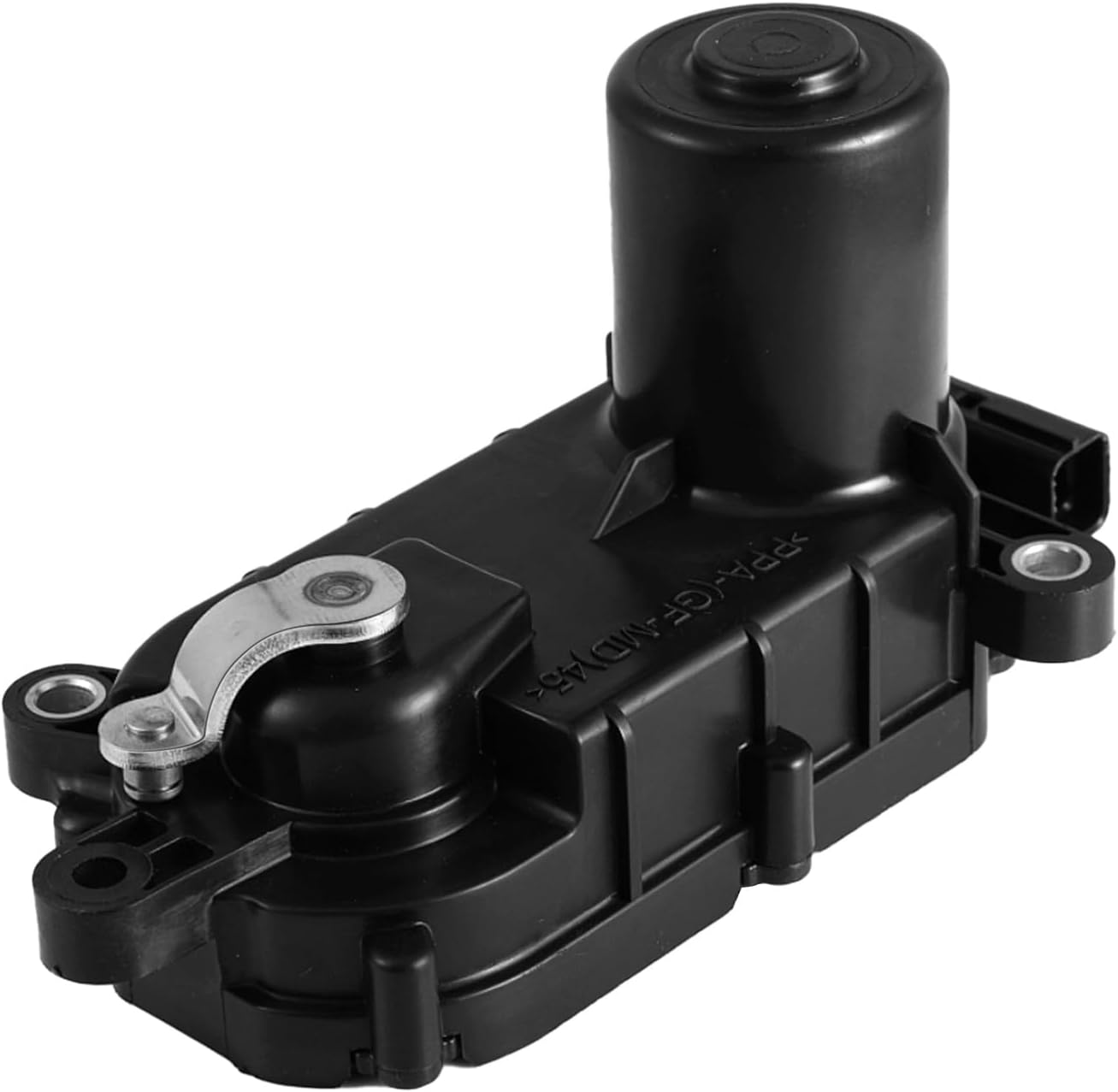
6. TAUTOY Intake Manifold Runner Control Motor 28323-2GGA1
| Manufacturer | TAUTOY |
|---|---|
| Model | TYIMX086 |
| Item model number | 28323-2GGA1 |
| Manufacturer Part Number | TYIMX003 |
This TAUTOY intake manifold runner control motor replaces the factory flow control actuator to restore proper intake runner position and improve engine drivability. It is used as a direct replacement when the original runner motor fails, commonly diagnosed by a check engine light, rough idle, or reduced low-end torque. The part is machined and comes with quality-control testing claimed by the manufacturer, which translates to straightforward bolt-on installation for mechanically inclined owners or techs. In practical use it reinstates normal intake runner operation so the engine breathes correctly across RPMs, which helps with throttle response and can clear related diagnostic codes. Limitations include the need to confirm the correct variant before purchase because similar motors are sold with subtle differences in the rocker arm, and longevity beyond initial fitment is not documented. Expect a simple repair that returns factory-like function but plan for basic troubleshooting if the original electrical connector or harness has damage.
Best for: Balanced buyers who prioritize restoring factory performance without paying dealer prices and are comfortable doing or overseeing a modest replacement on a Hyundai engine.
Less Ideal for: Drivers seeking a lifetime-upgraded performance component or those who cannot confirm the exact motor variant before ordering should consider alternatives or professional fitting.
- Direct replacement for Hyundai intake manifold runner control failures with matching OEM part numbers listed
- Machined exterior and factory-style construction intended to restore proper runner operation
- Manufacturer reports 100% function and leakage testing from certified facilities
- Many user reports of successful fitment and check-engine light resolution on Hyundai models
- Requires careful comparison against similar variants to ensure correct rocker arm configuration
- No long-term durability data provided beyond initial testing and user reports
Verdict A cost-effective, factory-style replacement that reliably restores intake runner control on compatible Hyundai engines if you confirm the correct variant before buying.
Choosing the Right Hyundai Elantra Intake Manifold: Key Factors to Consider
Fitment and Compatibility
Ensuring the manifold matches the Hyundai Elantra engine and model year is essential. Correct bolt pattern, sensor ports, and throttle-body interface reduce installation issues and the risk of improper sealing. Poor fitment can cause vacuum leaks or force modifications that compromise reliability.
Check that the manifold accommodates required sensors and hoses without stretching or rerouting lines. Proper compatibility also affects torque procedures and the need for special gaskets or hardware during installation.
Material and Construction
Manifolds are commonly made from plastic composite or aluminum, and material choice affects durability, heat resistance, and weight. Composite manifolds are lighter and resistant to heat soak in some cases, while aluminum offers greater structural rigidity and can better handle higher under-hood temperatures.
Pay attention to molding quality, internal finishes, and reinforcement around bolt bosses. Good construction reduces the chance of warping or cracking over time, which helps maintain a consistent seal and avoids recurrent repairs.
Port and Runner Design
The shape, length, and cross-sectional area of ports and runners influence how air flows into each cylinder. Balanced runners promote even distribution of air and fuel, which helps smooth idle and consistent power across the rev range.
Shorter, wider runners often favor higher-rpm power, while longer, narrower runners help low-end torque and throttle response. Choose a design that aligns with your driving priorities, whether daily commuting, towing, or seeking minor performance gains.
Sealing and Gasket Interface
A reliable seal between the manifold and cylinder head prevents vacuum leaks that can cause rough idle, poor fuel economy, and drivability issues. Look for well-engineered gasket surfaces and attention to bolt hole alignment to ensure even clamping force.
Some manifolds include integrated sealing features or require specific gasket types. Proper surface finish and correct torque sequence help maintain the seal; otherwise you may see symptoms that necessitate re-torquing or gasket replacement.
Serviceability and Maintenance
Regular maintenance tasks such as carbon cleaning, sensor replacement, or gasket service should be straightforward with minimal disassembly. Manifolds that allow easy access to key sensors and ports reduce labor time and the chance of accidental damage during routine work.
Consider how easy it is to remove and reinstall the manifold, whether common hand tools are sufficient, and whether replacement gaskets and mounting hardware are readily available.
Impact on Engine Management and Sensors
The manifold must accommodate airflow sensors, intake air temperature sensors, and vacuum lines without altering their calibration or signal behavior. Changes to airflow dynamics can affect sensor readings and engine control strategies.
Ensuring proper sensor placement and avoiding turbulence around sensor ports helps the engine control unit maintain correct fuel trims and idle control. If a manifold changes flow characteristics significantly, further tuning or diagnostics may be needed to restore optimal performance.
FAQ
What are common intake manifold symptoms on a Hyundai Elantra?
Common signs often include rough idle, decreased fuel economy, and a loss of throttle response. You may also notice engine hesitations, check engine light codes related to fuel trims or misfires, and unusual hissing sounds indicating a vacuum leak. Symptoms vary with the severity and location of the issue.
How can I tell if my intake manifold has a vacuum leak?
Diagnosis usually starts with a visual inspection for cracked hoses, loose fasteners, or damaged gaskets. Listening for hissing noises near the manifold when the engine is running can help locate leaks. Mechanics often use smoke testing or a handheld vacuum pump to confirm and pinpoint leaks for repair.
Is intake manifold cleaning necessary, and how often should it be done?
Cleaning is often necessary if carbon buildup affects airflow or sensor readings, which can happen over time with direct-injected or older engines. Frequency depends on driving style and maintenance history, but inspecting the manifold during major services and cleaning when buildup is evident helps maintain performance. Cleaning can restore smoother idle and more consistent airflow.
Do I need new gaskets when replacing the intake manifold?
Yes, replacing the manifold typically requires new gaskets to ensure a proper seal. Old gaskets can be compressed, brittle, or damaged and are unlikely to reseal reliably. Using the correct gasket type and following the recommended torque sequence helps prevent future leaks.
Will installing a different intake manifold affect engine tuning?
It can, depending on how much the new manifold changes airflow characteristics or sensor placement. Minor changes may be handled by the engine control unit through adaptive learning, while significant alterations may require recalibration or tuning to optimize fuel trims and idle behavior. Expect diagnostics after major changes.
What should I check before attempting intake manifold replacement myself?
Confirm correct fitment for your Hyundai Elantra model and year, gather the required gaskets and hardware, and review torque specs and bolt sequencing. Ensure you have basic tools and a clean workspace, and be prepared to reconnect sensors and vacuum lines accurately. If you are uncomfortable with engine sensors or torque procedures, consult a professional.
How We Chose the Best Hyundai Elantra Intake Manifold
We focused on parts and designs that reliably fit Hyundai Elantra engines and that address the specific functional needs of this vehicle. Key evaluation criteria included material and construction quality to ensure durability and resistance to warping; port and runner design to influence airflow balance and throttle response; fitment accuracy and mounting compatibility to reduce installation time and minimize vacuum leak risk; gasket interface quality and sealing features to limit leaks; and serviceability, such as accessibility for cleaning and compatibility with common maintenance procedures. We excluded non-specific universal manifolds and components that required major engine modification or adapters. Units with unclear fitment data or known chronic sealing issues were filtered out. The selected items prioritize real-world useability, reliable sealing, and designs that support consistent airflow for typical driving and light performance upgrades.
Our full evaluation process is outlined in our review methodology.
Conclusion
When choosing an intake manifold for a Hyundai Elantra, prioritize correct fitment, reliable sealing, and a design that matches your driving goals. Material and construction affect durability and heat behavior, while port design and runner length influence torque and throttle response. Balance ease of service and compatibility with sensors to avoid downstream issues. Remember that tradeoffs are inevitable: a manifold optimized for high-rpm flow may sacrifice some low-end response, and more rigid materials may be heavier. Focus on the features that matter most for your typical driving and maintenance preferences to make the best choice.
Explore More:
- Check out all Hyundai Elantra parts & accessories
- Explore Engine
- Browse all Auto Parts
