

Note: This article contains affiliate links. If you click on these links and make a purchase, I may earn a small commission at no extra cost to you. This helps support my research and content. Read my full affiliate disclosure here.
If you own a Subaru Outback, a correctly functioning oxygen sensor matters for fuel economy, emissions control, and stable engine performance. Choosing the right sensor can prevent rough idling, poor fuel economy, and persistent diagnostic trouble codes.This guide shortlists seven top options chosen for fitment, signal accuracy, and longevity. We evaluated each pick based on mounting compatibility and sensing performance to help you identify replacements that match your Outback's needs.
Looking for other parts? See all Subaru Outback parts & accessories.
Top Picks at a Glance
| Best Reviewed A top-rated pick with lots of positive feedback | Denso Oxygen Sensor 234-4907 |  |
| Most Popular A crowd favorite that many people choose with confidence | BOSCH 17018 Premium Oxygen Sensor (direct-fit) |  |
| Best Quality Built to a higher standard if you want something more solid | Denso 234-9123 Air/Fuel Ratio Oxygen Sensor (Replacement) |  |
| Best Budget The cheapest option that still gets the job done reliably | AXINMOTOO Replacement Heated Oxygen Sensor Pair for Subaru 2.5L (Upstream & Downstream) |  |
| Most Sold A high-volume bestseller chosen again and again | Bosch 18075 Premium Fit Oxygen Sensor |  |
| Best Value for Money The sweet spot between price and what you get | Likala Upstream and Downstream Oxygen Sensors for Subaru 2.5L (pair) |  |
| Best Overall The best all-around choice for most situations | Denso Oxygen (O2) Sensor — 234-4988 (Rear) |  |
1. Denso Oxygen Sensor 234-4907
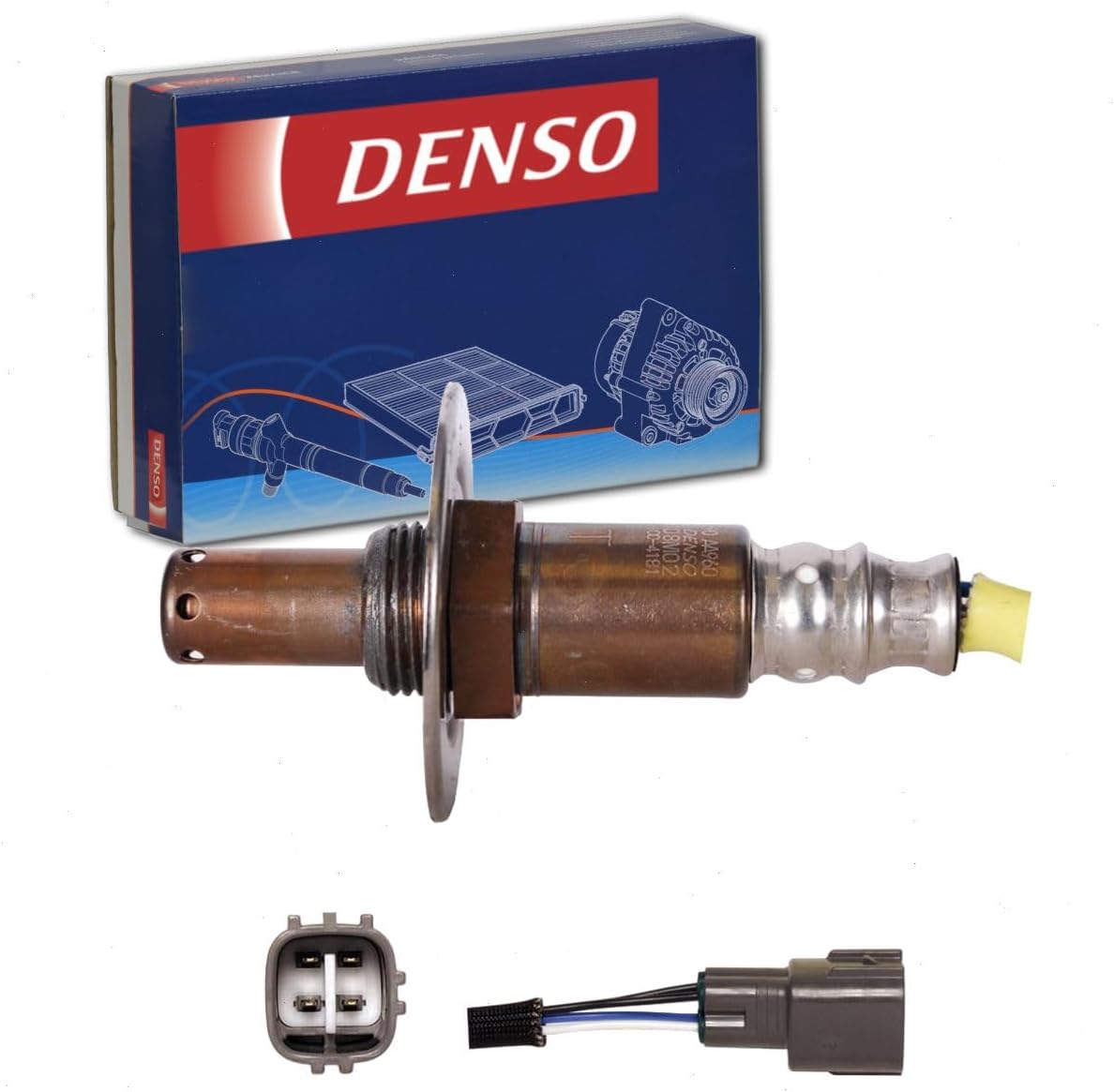
| Material | Zirconium |
|---|---|
| Mounting Type | Threaded |
| Output Type | electrical signal |
| Upper Temperature Rating | 1500 Degrees Fahrenheit |
This Denso oxygen sensor is a threaded, zirconium sensing unit designed to replace a failed upstream or downstream O2 sensor on compatible Subaru Outback models. It produces an electrical signal to the engine control module that restores accurate air-fuel feedback, which in practice clears emissions fault codes, stabilizes idle, and improves driveability after installation. The sensor is built to high temperature tolerance and machined exterior standards, matching factory fit and function so it installs like a direct replacement with no modifications. Because it is supplied by a major OEM supplier, expect consistent performance and fewer issues compared with low-cost generics. The main limitations are that fitment must match the Outback year and engine variant exactly and this single-unit listing does not include additional sensors or harness adapters, so you may need a second sensor or accessories depending on your vehicle and repair needs.
Best for: Reliability-focused Subaru Outback owners who prioritize factory-quality replacements and want a sensor that restores original driveability and emissions control.
Less Ideal for: Buyers who need a multi-sensor kit, universal aftermarket adapters, or a budget generic where exact factory matching is not required.
- Factory-quality design that matches original fit and function for compatible Subaru Outback installations
- Zirconium sensing element rated for high temperatures up to 1500 degrees Fahrenheit
- Threaded, machined exterior for straightforward plug-and-play replacement
- Provides an electrical signal compatible with engine control modules to restore proper air-fuel feedback
- Sold as a single sensor which may not cover vehicles requiring multiple replacements
- Requires correct year and engine variant match for proper fitment
Verdict Choose this Denso sensor if you want a factory-quality, direct-fit replacement to reliably restore Subaru Outback emissions and driveability.
2. BOSCH 17018 Premium Oxygen Sensor (direct-fit)

| Material | Stainless Steel |
|---|---|
| Mounting Type | Flange Mount |
| Output Type | Electrical signal |
| Compatible Vehicles | Select 2000–2002 Subaru Forester/Impreza/Legacy/Outback |
This Bosch 17018 oxygen sensor is a direct-fit replacement intended for select early-2000s Subaru models and performs the same basic job as the factory unit: measure exhaust oxygen and feed that signal to the engine control module so the ECU can adjust fuel trim. It mounts using the factory flange and plugs into the stock connector, and Bosch ships it pre-coated with anti-seize on the threads and with a fast-acting heater so the sensor reaches operating temperature quickly. The stainless steel, laser-welded body and factory-style harness make it straightforward to install and resistant to exhaust exposure in normal use. In practice this means improved idle stability and fuel economy when replacing a failing sensor. Some buyers report occasional gasket brittleness and a small number of early failures, so careful inspection of the sealing surface during install is advisable. For routine maintenance or emergency replacement on supported Subaru Outback engines this unit balances simple installation with proven sensor technology, but keep an eye on fit and gasket condition at installation time.
Best for: Convenience-driven owners who prioritize an easy, factory-style replacement that installs quickly and restores normal engine fueling without diagnostic complexity.
Less Ideal for: Drivers seeking heavy-duty or performance-tuned sensors for aggressive driving or motorsport should consider high-performance aftermarket options instead.
- Direct-fit connector and flange for straightforward replacement on supported Subaru models
- Fast-acting internal heater helps the sensor reach operating temperature quickly
- Double laser-welded stainless steel body for corrosion and exhaust resistance
- Threads pre-coated with anti-seize to simplify installation and prevent galling
- Some users report brittle gasket or occasional early failures on a minority of units
Verdict A practical, direct-fit factory-style oxygen sensor that makes replacing a failing unit on supported Subaru Outbacks simple, provided you check the gasket during installation.
3. Denso 234-9123 Air/Fuel Ratio Oxygen Sensor (Replacement)

| Material | Stainless Steel, Zirconium |
|---|---|
| Mounting Type | Thread-In |
| Output Type | NPN |
| Upper Temperature Rating | 800 Degrees Celsius |
| Included Components | Air/Fuel Ratio Sensor |
This Denso 234-9123 is a direct-style replacement air/fuel ratio sensor intended to return proper oxygen sensing to Subaru Outback engines. Installed in place of a failing upstream or downstream sensor, it measures exhaust oxygen content and feeds that signal to the engine computer so fuel trims and ignition can be adjusted. The sensor uses a zirconia element and stainless steel housing, and Denso states it is built to factory-quality standards for a first-time fit. For real-world use on an Outback this means faster, more consistent sensor response, reduced likelihood of recurring catalyst or trim codes, and potential recovery of lost fuel economy and drivability. Buyers should note fit can vary by model year and engine, and some owners report connector differences or the need to transfer a clip; installation sometimes requires limited access tools. While it delivers reliable OEM-grade performance, expect professional-level fit checks and basic tuning procedures after replacement to clear codes and let the engine relearn the sensor behavior.
Best for: Performance-minded Subaru Outback owners who prioritize restoring precise fuel control and drivability using a factory-quality, performance-oriented replacement part.
Less Ideal for: Buyers seeking a universal, one-size-fits-all sensor without any fitment checks or those who prefer an inexpensive short-term fix rather than a long-term factory-style replacement.
- Factory-quality construction and zirconia sensing element for consistent oxygen measurement
- Designed as a direct replacement to restore proper air/fuel ratio feedback to the engine computer
- Upper temperature rating suitable for exhaust conditions improves durability
- Includes anti-seize compound in many packs to ease installation
- Well-documented compatibility with multiple Subaru Outback model years
- Connector or protective pieces can differ from the original on some production runs requiring minor connector work
- May require special sockets or limited-access tools to remove the old sensor on tight exhaust locations
Verdict A factory-quality Denso replacement that restores accurate oxygen sensing on Subaru Outback engines for improved drivability and fuel control, but confirm connector fit before installation.
4. AXINMOTOO Replacement Heated Oxygen Sensor Pair for Subaru 2.5L (Upstream & Downstream)

| Application fit | Subaru 2.5L models listed (2006–2011 Outback/Impreza/Forester/Legacy, Saab 9-2X 2006) |
|---|---|
| Sensor type | Heated oxygen sensor |
| Placement | Upstream (234-9123) and downstream (234-4445) pair |
| Mounting type | Threaded |
This AXINMOTOO kit supplies two threaded heated oxygen sensors meant as direct-fit replacements for Subaru 2.5L models (upstream and downstream). You install them where the factory sensors sit in the exhaust to restore the engine control module's oxygen readings and clear a check-engine light caused by failing sensors. The sensors include pre-attached wiring harnesses sized for typical Subaru installations and use standard threaded mounting for straightforward replacement with an O2 socket. In practice the sensors returned accurate readings for users and helped the PCM re-tune fuel trim, which can improve fuel economy and drivability. The package is budget-focused, so build quality and long-term durability may not match higher-end factory-quality units and professional tools are recommended for removal of seized old sensors. Overall this is a cost-effective fix for older Outbacks needing sensor replacement, but buyers should verify fitment and be prepared to replace again sooner than premium sensors.
Best for: Cost-conscious Subaru owners who prioritize low upfront repair cost and want a quick, practical replacement to get an older Outback back to reliable running without paying for premium parts.
Less Ideal for: Drivers seeking the longest possible sensor lifespan or those restoring a vehicle to near-factory condition should consider higher-tier factory-quality replacements instead.
- Supplied as an upstream and downstream pair so both sensor locations can be serviced at once
- Heated element and factory-style threaded mount for plug-and-play replacement on compatible Subaru models
- Pre-attached wiring harnesses sized for Subaru routing reduce modification during install
- Affordable option that can clear a CEL and restore proper fuel trims quickly
- Likely shorter service life and lower durability than higher-priced factory-quality sensors
- No installation tools included and stuck factory sensors may require impact tools or penetrating lubricant
Verdict A budget-friendly heated oxygen sensor pair that restores oxygen sensing and clears CELs on compatible Subaru 2.5L models, but expect lower long-term durability compared with premium factory-quality units.
5. Bosch 18075 Premium Fit Oxygen Sensor

| Material | Stainless Steel |
|---|---|
| Mounting Type | Flange Mount |
| Output Type | Push-Pull |
| Response Time | 5 seconds |
| Upper Temperature Rating | 150 Degrees Celsius |
This Bosch 18075 is a direct-fit oxygen sensor intended for emission control and air-fuel trim correction on compatible Subaru engines. It installs in the exhaust system in place of the factory sensor and uses a fast-acting heater to reach operating temperature within seconds, which helps the engine control unit get accurate readings sooner after startup. The stainless steel, fully submersible body and factory-style connector make it a straightforward replacement that resists exhaust corrosion and simplifies installation. Because Bosch tests each unit for functionality and ships threads pre-coated with anti-seize, the sensor is ready to install with minimal prep. Practical benefits include stable long-term operation and reduced downtime compared with cheaper aftermarket units. Important limitations are that fitment depends on engine and sensor position, so you must verify it specifically for your Outback model and year, and it is a single-sensor replacement rather than a multi-sensor kit for full exhaust systems.
Best for: Risk-averse Subaru Outback owners who prioritize a factory-style replacement and reliable, tested components to maintain emissions performance and drivability.
Less Ideal for: Buyers who need multiple sensors at once or are modifying engine management and require wideband aftermarket-specific sensors for tuning.
- Direct-fit connector and harness for a straightforward installation
- Fast-acting heater brings the sensor to operating temperature in seconds
- Stainless steel, submersible body resists exhaust corrosion and extends service life
- Threads pre-coated with anti-seize for easier future removal
- Compatibility varies by engine and sensor position so fitment must be confirmed before purchase
- Sold as a single sensor rather than a multi-sensor set
Verdict A reliable, factory-style single oxygen sensor replacement for Subaru Outback owners who want tested, long-lasting performance with easy installation.
6. Likala Upstream and Downstream Oxygen Sensors for Subaru 2.5L (pair)

| Vehicle fit | Subaru Outback/Legacy/Forester/Impreza 2.5L 2006-2011 |
|---|---|
| Mounting type | Plug Mount |
| Measuring range | -40°C – 932°F |
| Output type | electrical signal |
These Likala oxygen sensors provide a plug-and-play replacement for the upstream and downstream positions on compatible Subaru 2.5L engines. They monitor exhaust oxygen to help the engine control unit adjust fuel delivery, which can restore fuel economy and clear check-engine codes caused by a failing sensor. The sensors use stainless steel housings with double laser welding and a high temperature rating intended for continuous operation in the exhaust stream, and they come pre-coated on the threads for easier installation. In practice you can expect straightforward fitment on the listed models and faster response than an aged sensor, which helps stabilize idle and throttle response. The package includes both front and rear sensors so you can address multiple trouble codes at once. Limitations: this is an aftermarket option rather than a factory-branded part, and buyers should confirm the exact part numbers and thread/tap requirements for their car before installation to avoid thread fit issues.
Best for: Practical optimizers who want a cost-effective, complete sensor replacement to restore fuel economy and erase emissions-related fault codes while keeping installation simple.
Less Ideal for: Drivers seeking an exact factory-branded replacement or those unwilling to check thread/tap compatibility should consider a manufacturer-branded sensor instead.
- Includes both upstream and downstream sensors so multiple fault codes can be fixed at once
- Plug-and-play connector design with pre-coated threads simplifies installation
- Stainless steel body with double laser welding for improved durability at high exhaust temperatures
- Faster response than worn sensors, which helps restore fuel trim and engine stability
- Aftermarket part rather than a factory-branded sensor so exact match to OEM tolerances may vary
- Some users report thread fit can require re-tapping the bung on certain vehicles
Verdict A budget-friendly pair of plug-and-play oxygen sensors that restore monitoring and fuel control for mid-2000s Subaru 2.5L models, provided you verify thread compatibility.
7. Denso Oxygen (O2) Sensor — 234-4988 (Rear)

| Material | Stainless Steel, Zirconium |
|---|---|
| Mounting Type | Thread-In |
| Output Type | electrical signal |
| Upper Temperature Rating | 1200 Degrees Celsius |
This Denso 234-4988 is a direct-fit replacement narrow-band oxygen sensor intended as the downstream (rear) sensor for compatible Subaru models. It replaces a failing sensor to clear downstream O2 fault codes, restore proper closed-loop fueling behavior, and help return fuel economy and emissions performance to spec. The unit uses a zirconia sensing element and a corrosion-resistant stainless steel body, and Denso says it includes protections against silicone and lead contamination to prolong life. Installation is typical for an O2 sensor: unplug the connector, unthread the old sensor with an O2 sensor socket or puller, and fit the new threaded sensor with the supplied anti-seize where needed. Practical benefits include OEM-level fitment, reliable electrical output for the factory engine control system, and fewer headaches than cheaper generic sensors. Limitations are that this is the rear/narrow-band sensor only and will not substitute for a front/wide-band upstream unit, and you should have the correct connector and basic tools for a clean install.
Best for: Balanced owners who prioritize reliable, factory-quality fixes and want a straightforward replacement that restores emissions and fuel trim behavior without overpaying.
Less Ideal for: Drivers needing the upstream wide-band O2 sensor, or those who prefer a multi-vehicle universal aftermarket sensor that sacrifices exact fit for broader compatibility.
- Direct replacement fit for compatible Subaru rear O2 location reducing installation fuss
- Zirconia sensing element for responsive oxygen measurement
- Corrosion-resistant stainless steel body for durability in exhaust environments
- Includes contamination protection features to help extend service life
- Only serves as the downstream (rear) narrow-band sensor and is not a front/wide-band replacement
- Requires basic tools and an O2 sensor socket or puller for removal and installation
Verdict A factory-quality rear narrow-band replacement that restores correct O2 readings and emissions control for compatible Subaru models.
Choosing the Right Subaru Outback Oxygen Sensor: Key Factors to Consider
Fitment and Connector Type
Correct physical fit and the right electrical connector are fundamental. A sensor that matches the Outback's thread size, mounting position, and plug type avoids splicing wires or using adapters, which can introduce failure points. Confirming fitment reduces installation time and the chance of exhaust leaks at the mounting flange.
Vehicle-specific fitment also affects routing and heat shielding. Sensors designed for the same exhaust layout will have appropriate lead length and protective sleeving, improving long-term reliability and ease of installation.
Sensor Accuracy and Response Time
How quickly and precisely an oxygen sensor reports exhaust oxygen affects fuel trims and engine control decisions. Fast response times help the engine control unit correct mixtures sooner, improving drivability and emissions. Accuracy across a range of air/fuel conditions ensures steady performance during acceleration, cruising, and idle.
Sensors that drift or respond slowly can trigger long-term fuel trim corrections, uneven idle, or reduced economy. Look for specification data about voltage range, response latency, or manufacturer testing where available.
Heater Element and Warm-Up Speed
Many oxygen sensors include an internal heater to bring the sensing element up to operating temperature quickly. A working heater shortens the cold-start period before the engine control runs closed-loop, reducing emissions and improving initial fuel economy. Heater durability matters because failed heaters leave the sensor cold and unresponsive until the exhaust heats up naturally.
Check that the sensor's heater is rated for repeated thermal cycles and that the electrical connections are protected. Fast warm-up is particularly important in colder climates or frequent short-trip use.
Durability and Corrosion Resistance
Oxygen sensors sit in a harsh environment of heat, vibration, and corrosive exhaust gases. Materials and protective coatings influence how well a sensor resists rust, thread corrosion, and housing damage. Durable sensors maintain performance longer and reduce the likelihood of replacement due to physical failure.
Consider sensors with reinforced housings, high-grade sealants, and protective sheathing on wires. These features help withstand road salts and high-mileage exposure typical of daily driving conditions.
Compatibility With Diagnostics
A sensor should work cleanly with the vehicle's onboard diagnostics so codes and live data make sense during troubleshooting. Predictable voltage behavior and heater circuit stability simplify fault isolation when you see codes like heater circuit or oxygen sensor response issues. A sensor that produces clear, repeatable readings makes testing with an OBD-II scanner or multimeter more reliable.
This compatibility reduces diagnostic time and helps you identify whether a new sensor resolves symptoms or if further engine work is needed.
Installation Ease and Serviceability
Ease of installation affects both DIYers and technicians. Factors such as thread anti-seize pre-applied, correct wire length, and a durable connector design make installation faster and reduce the risk of post-install faults. Service-friendly sensors simplify removal and replacement at routine maintenance intervals.
Also consider whether the sensor requires specialized tools for removal or torque specifications that the installer should follow to avoid thread damage or exhaust leaks.
FAQ
What symptoms suggest a failing Subaru Outback oxygen sensor?
Common signs include a persistent check engine light, rough idle, decreased fuel economy, or hesitation during acceleration. You may also notice higher emissions or the vehicle running rich or lean under certain conditions. These symptoms often prompt a diagnostic scan to identify the specific oxygen sensor circuit at fault.
Can I test an oxygen sensor before replacing it?
Yes, you can test an oxygen sensor using an OBD-II scanner to monitor live voltage or a multimeter to check heater circuit resistance. Tests usually look at sensor voltage swings and warm-up behavior. These checks help distinguish a faulty sensor from other engine issues before replacement.
Is upstream or downstream oxygen sensor replacement more critical?
Both positions serve different functions. Upstream sensors monitor combustion and feed the engine control unit for mixture control, so their performance directly affects drivability and fuel economy. Downstream sensors assess the efficiency of emissions control systems. Which is more critical depends on the specific symptom and diagnostic codes encountered.
Will replacing the oxygen sensor turn off the check engine light immediately?
Sometimes the light clears after the sensor is replaced and the ECU completes its readiness checks, but in other cases the vehicle may require a short drive cycle or an OBD-II clear to reset stored codes. If the underlying issue caused other faults, the light could persist until those are addressed.
How long does an oxygen sensor usually last in normal driving?
Sensor life varies with driving conditions, fuel quality, and exposure to contaminants. Many sensors last tens of thousands of miles under normal use, but frequent short trips, contamination from oil or coolant leaks, or exposure to road salts can shorten lifespan. Regular diagnostics help detect gradual degradation before failure.
Are heated oxygen sensors necessary for Subaru Outbacks?
Heated sensors are common because they reach operating temperature faster than non-heated units, improving early closed-loop operation and emissions. Whether a specific Outback requires a heated sensor depends on its original equipment design, but heater-equipped replacements are generally recommended when the vehicle uses a heated sensor from the factory.
How We Chose the Best Subaru Outback Oxygen Sensor
We focused on sensors that match Subaru Outback fitment and connector types, ensuring straightforward installation without wiring modification. Signal accuracy under a range of temperatures and loads was a primary filter because reliable voltage response directly impacts fuel trim and drivability. Durability under heat and exhaust exposure was another key criterion, including robust housings and high-quality heating elements where applicable. Response time and sensor warm-up time were evaluated since faster readiness reduces closed-loop delays and emissions during cold starts. We also considered common diagnostic compatibility, such as responsiveness to typical OBD-II oxygen sensor codes, and how easily a sensor can be tested with standard tools.We excluded parts that require extensive vehicle-specific modification or adapters, sensors with unclear fitment information, and units lacking basic sealing or heater specifications. The resulting list prioritizes straightforward compatibility, measurable sensing performance, and construction quality.
Our full evaluation process is outlined in our review methodology.
Conclusion
When selecting a Subaru Outback oxygen sensor, prioritize correct fitment, reliable signal accuracy, and a robust heater element if the vehicle uses a heated unit. Those factors most directly affect drivability, emissions, and how quickly diagnostics return stable readings.Balance durability and diagnostic compatibility against ease of installation. Choosing a sensor that matches the Outback's mounting and electrical specifications reduces installation issues and improves the chance that the replacement resolves the original symptoms.
Explore More:
- Check out all Subaru Outback parts & accessories
- Explore Oxygen Sensors Maintenance & Repair Guides
- Explore Engine
- Browse all Auto Parts
