

Note: This article contains affiliate links. If you click on these links and make a purchase, I may earn a small commission at no extra cost to you. This helps support my research and content. Read my full affiliate disclosure here.
If you drive a Jeep Wrangler in cold climates, choosing the right winter tire affects traction, steering feel, and safety on snow and ice. The wrong tire can reduce control, increase stopping distance, and make off-road winter travel more hazardous. This guide shortlists the top winter tire options for Jeep Wranglers and explains the key factors we used to evaluate them, including cold-weather traction and tread durability. Read on for the criteria that matter and quick guidance to help you pick the best fit for your driving needs.
Looking for other parts? See all Jeep Wrangler parts & accessories.
Top Picks at a Glance
| Best Reviewed A top-rated pick with lots of positive feedback | Cooper Discoverer True North Winter Tire (215/45R17 XL) |  |
| Best Quality Built to a higher standard if you want something more solid | Cooper Discoverer Snow Claw Winter Tire (275/55R20 XL) | 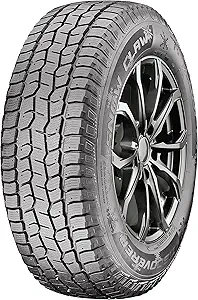 |
| Most Sold A high-volume bestseller chosen again and again | Firestone Winterforce 2 UV Studdable Winter Tire P215/75R15 |  |
| Best Overall The best all-around choice for most situations | Firestone Winterforce 2 UV Winter/Snow SUV Tire P245/75R16 | |
1. Cooper Discoverer True North Winter Tire (215/45R17 XL)

| Size | 215/45R17XL 91H |
|---|---|
| Tread Type | Asymmetrical |
| Tread Depth | 11 32nds |
| Construction Type | Radial |
| Severe Weather Rating | 3PMSF certified |
The Cooper Discoverer True North is a winter tire engineered to prioritize traction and predictable handling on snow, slush, and treated roads. It is built with a winter compound and Snow Groove Technology that traps snow for improved snow-on-snow grip, high-density siping for ice traction, and noise-dampening structures to reduce road noise on highway commutes. Typical use is seasonal: fit the set for winter months on a vehicle that encounters heavy snow, occasional black ice, and slush. Practical benefits include certified severe-weather performance via the 3PMSF mark and shorter stopping distances in snow compared with many all-season tires, plus an asymmetrical tread that allows non-directional rotation. Limitations are the tire size and load range which target passenger car fitments rather than heavy off-road loads, and some reviewers report uneven front wear on certain cars, so alignment and periodic inspection are recommended. Expect confident winter grip on plowed and treated roads but not the same off-road durability as tires intended for heavy Jeep off-roading.
Best for: Reliability-focused buyers who prioritize consistent winter traction and predictable braking on plowed and treated roads during cold months.
Less Ideal for: Drivers who plan heavy off-road use on a Jeep Wrangler or need higher load-capacity, heavy-duty winter tires should consider dedicated off-road winter options instead.
- Severe-weather 3PMSF certification for verified snow performance
- Snow Groove Technology and dense siping improve snow and ice traction
- Engineered compound and tread design reduce road noise for highway driving
- Asymmetrical, non-directional tread allows standard rotation patterns
- Size and load rating are tailored to passenger vehicles rather than heavy Wrangler load or off-road use
- Some users report accelerated or uneven tread wear on certain vehicles
Verdict A dependable, quiet winter tire with certified snow performance that is best for highway and street-focused winter driving rather than heavy off-road Wrangler use.
2. Cooper Discoverer Snow Claw Winter Tire (275/55R20 XL)

| Size | 275/55R20XL 117T |
|---|---|
| Tread Depth | 12.5 32nds |
| Maximum Pressure | 50 Pound per Square Inch |
| Load Capacity | 2833 Pounds |
| Construction Type | Radial |
The Cooper Discoverer Snow Claw is a purpose-built winter tire for trucks and SUVs that prioritizes grip in deep snow and on icy roads. It uses a flexible winter compound and Cooper’s Snow Groove Technology to trap snow in the tread for enhanced snow-on-snow traction, and the construction is stud-capable if you need maximum ice bite. Typical use is seasonal mounting on a Jeep Wrangler for winter commuting, plowing through heavy snow, or travel in mountain conditions where severe-weather certification matters. The tire is engineered for heavy loads and highway use while still giving a reasonably smooth ride for a winter tire. Expect improved braking and launch on packed snow versus all-seasons, and the XL/load-rated construction supports heavier Wrangler variants. Limitations are the usual winter-tire trade-offs: more rolling resistance and likely faster wear in warm conditions and somewhat increased road noise compared with all-season tires when not in cold temperatures.
Best for: Performance-oriented buyers who need maximum winter traction and confidence in severe conditions and prioritize on-vehicle capability over year-round comfort.
Less Ideal for: Drivers who want a single set of tires for year-round use or who rarely encounter snow and ice should consider an all-season or touring tire instead.
- Designed for severe winter conditions with Three-Peak Mountain Snowflake certification
- Snow Groove Technology that improves snow-on-snow traction
- Stud-capable design for added ice traction when needed
- Load-rated (XL) construction suitable for heavier Wrangler trims
- Not optimized for warm-weather driving where tread wear and fuel economy suffer
- Higher rolling resistance and potential for increased road noise compared with all-season tires
Verdict If you need top-tier winter performance and the option to stud for ice, the Snow Claw is a strong choice for a Jeep Wrangler, but it is a seasonal tire that costs comfort and efficiency in warm weather.
3. Firestone Winterforce 2 UV Studdable Winter Tire P215/75R15

| Size | P215/75R15 |
|---|---|
| Tread Depth | 12 32nds |
| Load Capacity | 1742 Pounds |
| Tread Type | Directional |
The Firestone Winterforce 2 UV is a studdable winter tire built to improve traction on snow and ice for light trucks, CUVs, and SUVs. It uses a special cold-weather compound, directional tread with open shoulder slots, and full-depth tread features to deliver grip in wintry conditions and extended wear compared with aggressive winter-only designs. The tire carries the 3-Peak Mountain Snowflake certification and can be pinned for size 11 studs where studs are desired. In everyday use on a Jeep Wrangler, expect better braking and climbing on packed snow and improved confidence on icy surfaces when studs are fitted. It leans toward a balanced, not overly aggressive tread, so road noise and handling on cleared pavement stay reasonable, but peak snow bite will be lower than on heavily lugged winter tires. This tire is a practical choice if you want reliable winter performance and durability without sacrificing comfort on dry roads, though drivers seeking extreme off-trail winter traction or maximum stud performance may prefer a more specialized tire.
Best for: Risk-averse mainstream buyers who prioritize dependable, certified winter traction and lasting tread life for seasonal use on a Jeep Wrangler rather than extreme off-road winter performance.
Less Ideal for: Drivers who frequently tackle deep snow, soft off-road trails, or demand the highest possible studded-ice performance should consider more aggressive, specialized winter or studded tires instead.
- 3-Peak Mountain Snowflake certification for verified winter performance.
- Studdable design allows adding metal studs for improved ice traction.
- Full-depth tread and cold-weather compound for extended winter tread life.
- Directional tread with open shoulder slots helps evacuate slush and maintain grip.
- Not as aggressive as dedicated off-road winter tires for deep snow or soft surfaces.
- Performance on bare dry pavement sacrifices some precision compared with all-season touring tires.
Verdict A practical, certified studdable winter tire that gives Jeep Wrangler owners reliable winter grip and long wear without the noise and harshness of aggressive winter-only designs.
4. Firestone Winterforce 2 UV Winter/Snow SUV Tire P245/75R16
| Size | P245/75R16 |
|---|---|
| Tread Type | Asymmetrical |
| Tread Depth | 12 32nds |
| Maximum Pressure | 44 PSI |
| Load Capacity | 2271 Pounds |
The Firestone Winterforce 2 UV is a winter tire designed for light trucks, CUVs and SUVs and uses a cold-weather compound, open shoulder slots, and an asymmetrical tread to improve grip in snow and slush compared with all-season tires. It carries the 3-Peak Mountain Snowflake certification and is built with full-depth tread features intended to extend usable life through multiple winters. For Jeep Wrangler owners this tire is typically used on street-driven Wranglers that see regular winter conditions rather than extreme off-road ice. Expect solid traction in packed snow, predictable braking on cold pavement, and a tread pattern that helps channel slush. Buyers should note the tire is a bias toward winter performance and may be louder than highway-focused tires; a few users also reported durability issues under heavy use. Mounting at a reputable shop and checking for correct pressure and rotation will help maximize life and performance.
Best for: Buyers seeking a balanced, reliable winter tire for a Jeep Wrangler who prioritize dependable snow traction and reasonable tread life without extreme off-road focus.
Less Ideal for: Drivers who mainly use their Wrangler for aggressive off-road rock crawling or those who need the quietest possible highway tire should consider other specialized tires.
- 3-Peak Mountain Snowflake certification for validated winter traction.
- Cold-weather compound and open shoulder slots that improve grip in snow and slush.
- Full-depth tread features designed to extend tread life across multiple winters.
- Asymmetrical tread pattern that helps with water and slush evacuation for better stability.
- Some reports of increased road noise compared with highway tires.
- A few user reports of premature failure under heavy or abusive use.
Verdict A good all-around winter tire for Jeep Wrangler owners who want certified snow traction and longer winter tread life, but not the quietest or most heavy-duty off-road option.
Choosing the Right Jeep Wrangler Winter Tire: Key Factors to Consider
Traction on Snow and Ice
Traction determines how well your Wrangler accelerates, corners, and stops in slippery conditions. Look for tire compounds formulated to remain pliable at low temperatures and tread patterns with sipes and biting edges to grip packed snow and ice. A tire that provides confident traction reduces braking distance and helps maintain control when the surface is slick. Differences in traction also affect vehicle behavior: a tire with stronger ice grip improves braking performance, while a tire optimized for deep snow helps with forward momentum in drifts or unplowed roads. Consider the typical winter conditions where you drive and prioritize traction characteristics that match those scenarios.
Tread Pattern and Snow Evacuation
Tread design controls how effectively a tire sheds snow and slush and maintains contact with the road. Aggressive, open shoulder blocks and wider circumferential grooves tend to evacuate snow better, reducing buildup that can compromise grip. Directional or asymmetric patterns can aid water and slush channeling, improving hydroplaning resistance as temperatures fluctuate. For off-road or mixed-surface winter driving, a tread that balances snow evacuation with plenty of biting edges is ideal. Too aggressive a pattern can increase noise and reduce on-road comfort, while too closed a design may pack with snow and lose traction.
Load Capacity and Sidewall Strength
Jeep Wranglers often carry cargo, accessories, or tow light loads, so tires must have adequate load ratings. Ensure the tire’s load index matches or exceeds the vehicle’s requirements to avoid overstressing the tire structure. Stronger sidewalls resist punctures and handle rough winter trails better, reducing the risk of damage when encountering hidden hazards under snow. Sidewall construction also affects ride quality and steering feedback. Reinforced or heavy-duty sidewalls can improve durability for off-road winter use but may slightly stiffen ride comfort on paved roads. Match sidewall strength to how you use the vehicle.
Tire Size Fitment and Clearance
Correct size fitment ensures the tire mounts properly and clears suspension, fenders, and steering components. Winter tires often come in multiple size options, and choosing a size within manufacturer-recommended ranges preserves handling and prevents rubbing during suspension compression. Incorrect sizing can alter speedometer accuracy and stress drivetrain components. Verify wheel compatibility and available clearances before selecting a wider or taller winter tire for a Wrangler. If you plan to run chains or carriers, factor in additional clearance needs during winter use.
Tread Depth and Wear Life
Initial tread depth influences how long a tire will perform in winter conditions and how effectively it can evacuate snow as it wears. Deeper starting tread gives more material to wear down before winter performance degrades, extending useful season life. However, deeper treads can also increase squirm and reduce steering precision on dry pavement. Consider the expected seasonal mileage when selecting a tire. If you drive frequently in heavy winter conditions, prioritize deeper tread and robust wear characteristics. If winter use is occasional, you might accept a tradeoff for better on-road handling.
Studding and Certification Options
Some winter tires can be studded or come pre-studded to improve ice braking in specific regions. Check whether studs are permitted where you drive and whether the tire is designed to accept studs without damaging the tread. Tires with official winter certification markings indicate they meet minimum performance standards for severe snow conditions. Studded tires often offer superior ice grip but can increase road noise and may wear differently on dry roads. Evaluate whether studding is necessary for your local ice conditions and balance that need against legal and comfort considerations.
FAQ
When should I switch to Jeep Wrangler winter tire options?
You should usually switch when consistent temperatures drop below about 45 degrees Fahrenheit, since winter compounds perform better in cold weather. Also consider local forecasts and the first persistent snow event. If you frequently encounter icy roads, earlier switching can improve safety.
Are studded winter tires necessary for a Wrangler?
Studs can improve ice braking in very icy or glazed conditions, but they are not always required. Their benefit depends on the frequency and severity of ice where you drive and local legal restrictions. For mixed snow and occasional ice, a quality non-studded winter tire often provides adequate performance.
How does tire size fitment affect winter performance on a Wrangler?
Size affects contact patch, clearance, and the vehicle’s gearing feel. A narrower tire can cut through snow better and improve traction in deep snow, while a wider tire may float more on soft surfaces. Ensure the chosen size fits with sufficient clearance and matches wheel specifications to avoid rubbing and handling changes.
Can winter tires be used year-round on my Wrangler?
Using winter tires year-round is not recommended because the softer compound wears faster on warm pavement and can reduce fuel efficiency. For longevity and optimal performance, switch back to all-season or summer tires when temperatures consistently stay warm.
How much does installation and balancing typically factor into winter tire planning?
Installation and balancing are important for safety and even wear, and they add to the overall cost of switching tires. Expect routine mounting, balancing, and a brief alignment check to ensure even wear and stable handling. Budgeting for seasonal swaps helps avoid rushed or skipped installations.
How We Chose the Best Jeep Wrangler Winter Tire
We focused on criteria that matter specifically for winter performance on Jeep Wranglers, emphasizing real-world safety and durability. Primary evaluation points included cold-weather traction on packed snow and ice, tread compound flexibility at low temperatures, and tread pattern design for snow evacuation and bite. We also considered load capacity and sidewall strength to ensure the tire suits Wrangler weight and typical off-road demands. Durability metrics such as treadwear expectations and resistance to chipping were reviewed to balance season-life with performance. Fitment practicality was assessed by checking common Wrangler wheel and size ranges and whether the tire supports required load and speed ratings. We excluded tires designed exclusively for competition or race use, and any variants that lack appropriate load ratings for Jeep Wranglers. Tires with unclear winter certification or insufficient cold-weather data were not considered. The final shortlist balances traction, durability, fitment, and suitability for mixed on-road and light off-road winter use.
Our full evaluation process is outlined in our review methodology.
Conclusion
Prioritize traction and proper fitment when choosing Jeep Wrangler winter tire options. Focus on compound flexibility, tread design, and load capacity to ensure safe braking and predictable handling in snow and ice. Balance tread depth and durability against on-road comfort and consider whether studs are appropriate for your local conditions. Ultimately, select a winter tire that matches your typical winter roads and driving style, making sure it fits your Wrangler’s requirements and offers the right tradeoffs between longevity and cold-weather performance.
Explore More:
- Check out all Jeep Wrangler parts & accessories
- Explore Winter Tires Maintenance & Repair Guides
- Explore Wheels & Tires
- Browse all Auto Parts
